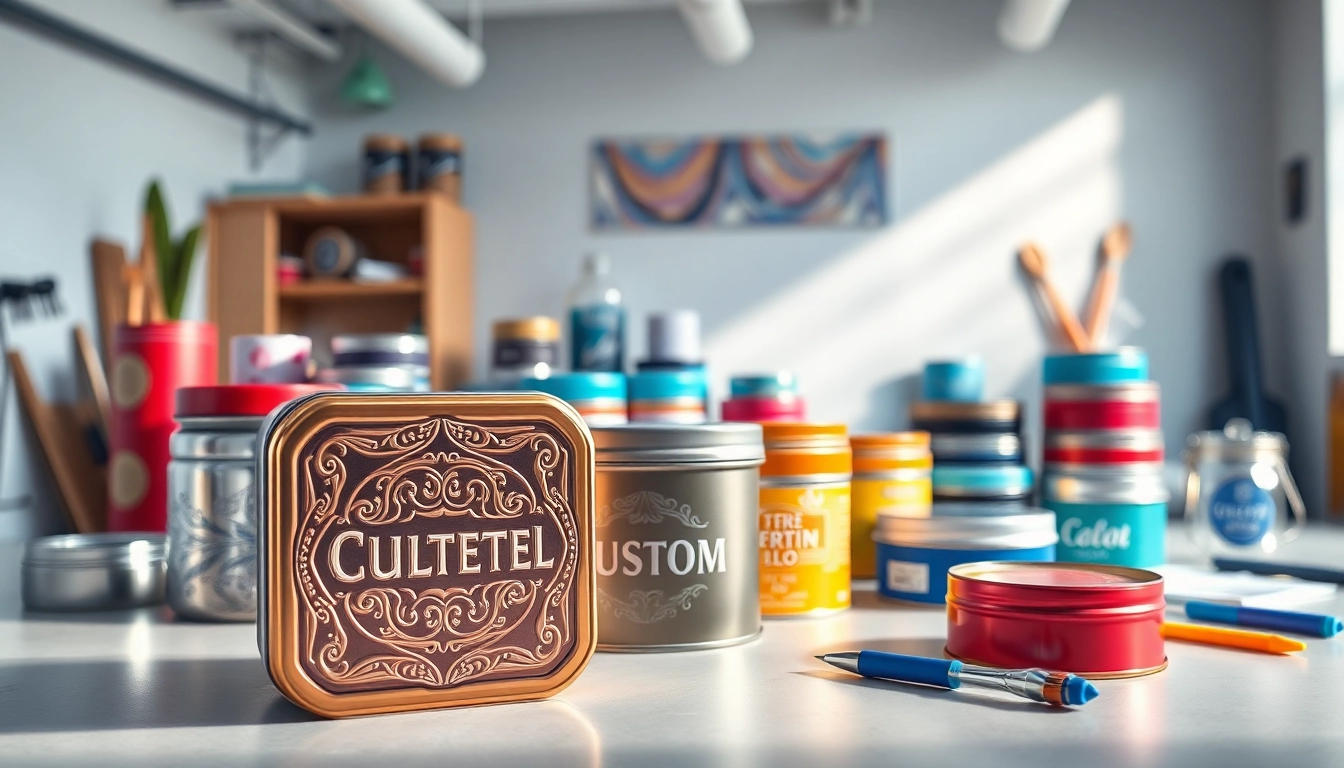
Understanding the Appeal of Custom Tins
In today's dynamic market, businesses are constantly searching for innovative ways to differentiate their products and enhance their branding. One powerful tool that has gained popularity is the use of custom tins. These versatile packaging solutions not only serve practical purposes but also play a crucial role in marketing strategies. This article will explore the many facets of custom tins, from their various types and benefits to effective design principles and marketing strategies that can elevate your brand's presence in competitive landscapes.
What Are Custom Tins?
Custom tins are metal containers tailored to meet specific branding, packaging, and design needs of businesses. These tins often serve multiple functions, including storing goods, enhancing aesthetic appeal, and acting as a promotional tool. Unlike standard packaging, custom tins can be produced in various shapes, sizes, and designs, allowing brands to craft a unique identity and connect with their consumers effectively.
Different Types of Custom Tins
Custom tins come in an array of shapes and sizes, each designed to serve specific purposes:
- Round Tins: Ideal for products like candles, cookies, and gifts, round tins are popular due to their classic design and efficient use of space.
- Square and Rectangular Tins: These tins are typically used for packaging snacks, teas, and gourmet foods. Their angular shape maximizes shelf space and provides a modern look.
- Specialty Tins: This category includes shaped tins for unique products like novelty items or holiday-themed packaging. Their distinctive designs often attract attention on the shelves.
- Slide Lid Tins: These are easy to open and reseal, making them suitable for products that need accessibility, like mints or small candies.
Benefits of Using Custom Tins for Your Brand
Investing in custom tins offers numerous advantages for businesses:
- Durability: Tins are made from metal, providing robust protection against external factors while ensuring product freshness.
- Reusability: Consumers appreciate packaging that can be repurposed, and custom tins often find new life as storage containers after the product is consumed.
- Brand Recognition: Custom tins can be designed with your logo, colors, and branding elements, creating a memorable shopping experience that helps reinforce brand identity.
- Eco-Friendly Options: Many manufacturers create tins from recyclable materials, allowing businesses to promote sustainability—an essential factor for environmentally-conscious consumers.
Designing Your Custom Tins
The design of your custom tins plays a fundamental role in attracting customers and communicating your brand’s message. A well-executed design can make all the difference when competing for attention in a crowded market.
Key Elements of Effective Tin Design
When designing custom tins, consider these key elements for effective communication:
- Functionality: The design should not only be aesthetically pleasing but also practical, ensuring ease of use for the consumer.
- Visual Hierarchy: Use typography, imagery, and space to guide the consumer’s eye to the most critical elements, such as the product name and key features.
- Material and Texture: The finish of the tin (matte, glossy, embossed) creates tactile interest that can enhance consumer experience and drive purchase behavior.
Incorporating Brand Identity into Tins
Your custom tin should reflect your brand’s identity. To do this effectively, follow these strategies:
- Color Palette: Select colors that align with your brand's overall aesthetic. Colors evoke emotions and can influence purchase decisions, so it's crucial to choose wisely.
- Logo Placement: Ensure your logo is prominently displayed and easily visible. This helps reinforce brand recognition and creates consistency across all marketing materials.
- Thematic Design: Tailor the design to correspond with specific campaigns, holidays, or product launches to strengthen relevance and appeal.
Choosing Colors and Finishing Touches
Color selection and finishing touches play a critical role in the success of your custom tins:
- Psychological Impact of Colors: Understand the psychology behind color choices to convey the right message; for example, blue evokes trust, while red can stir excitement.
- Finish Options: Glossy finishes can provide a modern look, while matte finishes may offer a more traditional vibe. Textures, like embossing or UV coating, can add an extra layer of appeal.
- Incorporating Illustrations: Custom illustrations can capture a story or theme, providing consumers with a deeper connection to the product.
Production and Sourcing of Custom Tins
After designing your custom tins, the next step is production. Choosing the right manufacturer and understanding production costs are vital to ensuring a successful rollout.
Selecting a Reliable Manufacturer
Finding a trustworthy manufacturer is paramount. Focus on these points:
- Experience: Look for manufacturers with a proven track record in producing quality custom tins. Their experience can lead to better results and fewer problems.
- Quality Assurance: Investigate their quality control processes. A manufacturer with strict quality checks ensures that every tin meets established standards.
- Customer Reviews and References: Check for client testimonials or case studies that attest to their reliability and service quality.
Costs Involved in Producing Custom Tins
Understanding the costs associated with custom tin production is crucial for budgeting purposes. Key factors influencing costs include:
- Material Choices: The type of tin and any special materials used can alter costs significantly.
- Design Complexity: Complicated designs or multiple colors can increase the price due to more elaborate printing processes.
- Order Volume: Higher order quantities typically lower the per-unit cost, so it is essential to analyze the financial implications of your production run.
Quality Control in Tin Production
Implementing quality control is essential to ensure your product meets brand expectations:
- Pre-Production Samples: Request samples before starting a large production run to identify any potential issues and adjust design as necessary.
- In-Process Inspection: Regular checks during production can resolve any concerns early and minimize waste.
- Post-Production Assessment: Conduct a final inspection upon completion to ensure that all tins meet the desired specifications before distribution.
Marketing Strategies for Custom Tins
Once your custom tins are produced, it's time to market them effectively. Here are some strategies to maximize their potential:
Effective Uses of Custom Tins in Promotions
Custom tins can serve multiple promotional purposes:
- Gift Packaging: Businesses can create promotional gifts packaged in custom tins, enhancing brand exposure while adding value for the recipient.
- Event Giveaways: Tins filled with samples or promotional items can be an effective way to engage potential customers at trade shows and events.
- Seasonal Promotions: Holiday-themed tins can create excitement and drive seasonal sales, tapping into the celebratory spirit of consumers.
Targeting Your Audience with Custom Tins
To effectively reach your target market, adjust your custom tin strategies based on customer insights:
- Consumer Research: Understand the preferences and behaviors of your target audience; this insight can inform design and promotional strategies.
- Segmented Marketing Campaigns: Use demographic and psychographic data to tailor your messaging and product offerings, ensuring they resonate with specific groups within your market.
- Feedback Mechanisms: Engage with customers through surveys or contests, encouraging them to share their thoughts on your products and input for future campaigns.
Case Studies: Successful Brands Using Custom Tins
Learning from successful case studies can inspire your approach:
- Gourmet Food Brands: Many gourmet food brands utilize custom tins to convey premium quality. For example, a specialty tea company created intricately designed tins that not only preserved freshness but also served as decorative items, resulting in a strong increase in sales.
- Cosmetic Companies: Brands like Lush use custom tins for limited edition products, leveraging design to create excitement and exclusivity, leading to increased demand during promotional periods.
- Coffee Roasters: Custom tins are used to package unique blends, incorporating QR codes on the packaging that link customers to a website for brewing tips and community engagement, thus enhancing the consumer experience.
Measuring the Success of Your Custom Tins Campaign
To understand the effectiveness of your custom tins as a marketing tool, implement careful measurements and evaluations:
Key Performance Indicators for Tin Marketing
Measure success through key performance indicators (KPIs) that align with your business goals:
- Sales Figures: Track overall sales trends before and after the introduction of custom tins to evaluate their impact on revenue.
- Customer Engagement: Monitor social media interactions, website visits, and promotional code redemptions directly tied to your custom tin campaigns.
- Brand Recognition: Utilize surveys to assess consumer awareness of your brand post-campaign, giving insight into brand recall associated with your custom tin design.
Gathering Customer Feedback
Customer feedback offers valuable insights for improving future products and marketing tactics:
- Surveys: Create simple user surveys that can be distributed through email or social media platforms, focusing on design, functionality, and overall satisfaction.
- Focus Groups: Conduct focus groups with target audience members to gain in-depth qualitative insights into their reactions to your custom tins.
- Product Reviews: Encourage customers to leave reviews on product pages and social media, providing public insight into customer perceptions and experiences.
Adjusting Your Strategy Based on Analytics
Utilizing analytics is critical to refining your approach:
- Data Analysis: Regularly review analytics data to identify trends, challenges, and opportunities for adjustment in your marketing approach.
- Market Responsiveness: Be flexible and responsive to marketing performance shifts, adjusting campaigns as necessary to cater to evolving consumer behavior and preferences.
- A/B Testing: Implement A/B testing with variants in custom tin designs or promotional messaging to find the most effective elements that resonate with your audience.