
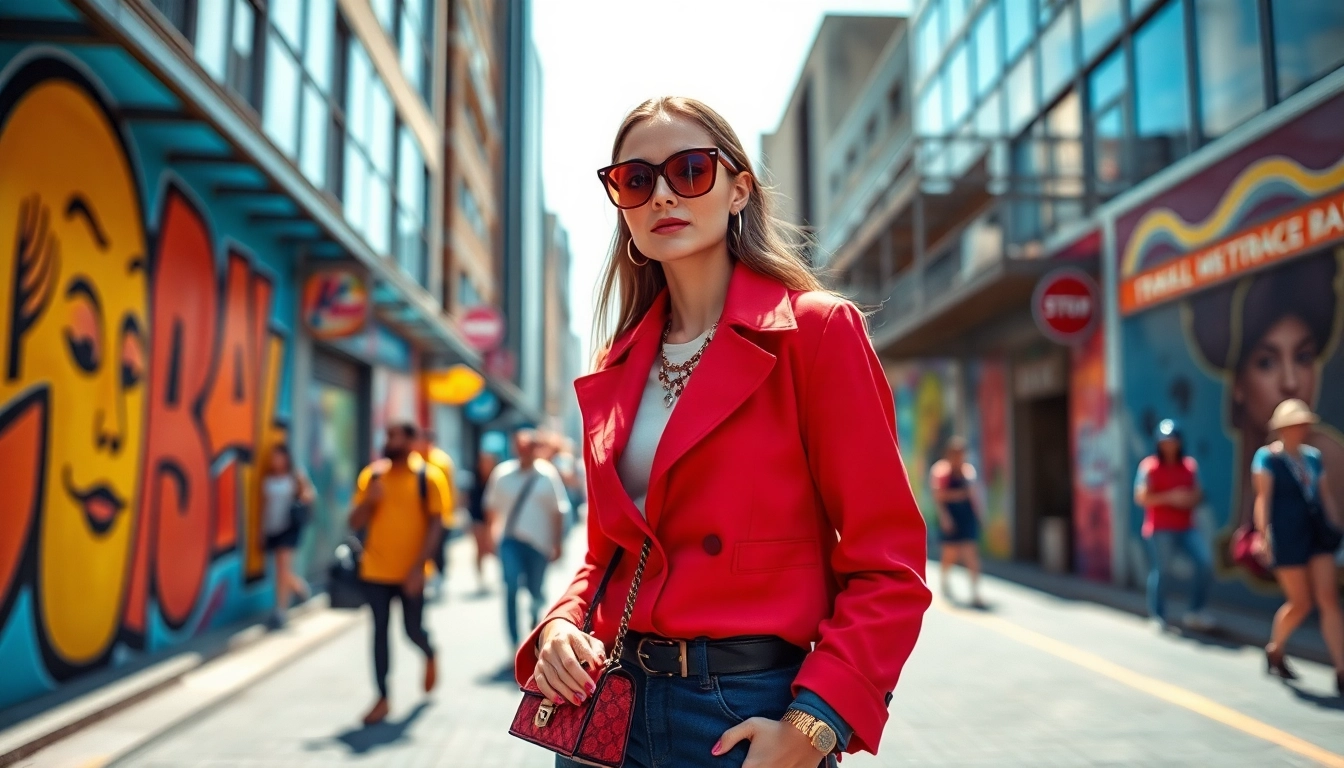
Understanding Fashion: A Cultural Perspective
Fashion is more than just clothing; it's a cultural canvas reflecting societal norms, values, and personas. Throughout history, fashion has been a mirror to our civilization, revealing changes in society's behaviors, attitudes, and emotional states. Whether it's the draping of a toga in ancient Rome or the structured silhouettes of modern design, fashion continuously evolves, enabling individuals to express their identity. This exploration of Fashion reveals its intricate layers, deeply rooted in culture, economics, and personal expression.
The Origins and Evolution of Fashion
Fashion's origins trace back to ancient civilizations where clothing served both practical and symbolic purposes. For instance, the Egyptians adorned themselves with linen which symbolized purity and wealth. As time progressed, the Middle Ages saw the rise of garments that reflected one's social status; the elaborate attire of nobility differentiated them from the working class. The 20th century introduced revolutionary changes with the rise of mass production, making fashion accessible to broader audiences. This democratization led to the emergence of iconic styles, from flapper dresses to punk fashion, embodying the cultural sentiments of their times.
Influence of Culture on Fashion Trends
Cultural influences play a monumental role in shaping fashion trends. This is evident in the integration of traditional garments into contemporary styles, which serve as a reminder of cultural heritage while embracing modernity. For example, the use of kimono-inspired cuts in Western fashion showcases a fusion that is both respectful and innovative. Additionally, social movements have influenced fashion, where attire can represent empowerment, discord, or unity. The influence of music, art, and cinema cannot be understated; they have historically served as significant catalysts for trend-setting.
Fashion as a Form of Self-Expression
On an individual level, fashion acts as a powerful tool of self-expression. Through clothing, individuals project their personality, beliefs, and even aspirations. It can be an expression of rebellion, conformity, creativity, or individualism. Many people curate their wardrobes, creating a sartorial identity that resonates with their inner self while also considering public impression. Furthermore, the accessibility of social media has allowed individuals to showcase their personal styles on global platforms, leading to community-driven trends and diversity in fashion representation.
Key Components of Fashion Design
Essential Elements of Fashion
The building blocks of fashion design are multifaceted and involve various components that contribute to the overall aesthetic. Key elements include silhouette, fabric, color, texture, and embellishment. Silhouette defines the overall shape of an outfit and can communicate different moods—from structured to flowing forms. Fabrics play a crucial role in how designs come to life; their draping, weight, and texture can significantly affect the overall look. Designers must also consider how colors evoke emotions and ideas, crafting palettes that range from vibrant to muted to capture the essence of their vision.
Fabric Types and Their Impact on Style
Fabric choice can make or break an outfit. Natural fibers such as cotton, linen, and silk offer breathability and comfort, making them popular choices for casual wear. Synthetic fabrics, while often more durable and versatile, can bring out unique textures and structural elements in designs. Innovations in textile technology have also introduced performance fabrics that ensure garments can meet the demands of active lifestyles. Recognizing the right fabric for a specific design can profoundly impact the final product's success.
The Role of Color and Patterns in Fashion
Color theory plays a major role in fashion, where hues are carefully selected to convey a specific message or aesthetic. For instance, soft pastels may be chosen for spring collections to evoke freshness and renewal, while bold colors are often used to create striking statements. Patterns, on the other hand, can enhance the narrative of a garment; stripes may denote sophistication while florals can suggest femininity. Combining color and patterns strategically can elevate a piece's visual appeal and emotional resonance, creating a deeper connection with the audience.
Fashion Sustainability: A Growing Concern
As the fashion industry has expanded, so has its environmental footprint, leading to significant conversations around sustainability. The traditional model of fast fashion, characterized by rapid production cycles and low-cost garments, has raised concerns about resource depletion and waste generation. This has made sustainability a key focus for both consumers and brands, fostering a collective movement toward responsible fashion practices.
Understanding Fast Fashion vs Sustainable Fashion
Fast fashion prioritizes speed and cost over sustainability, leading to disposable clothing that encourages a throwaway culture. In stark contrast, sustainable fashion centers around ethical production processes, prioritizing the environment, fair labor practices, and longevity of garments. Educating consumers on these differences empowers them to make informed choices, fostering a culture of mindful consumption that values quality over quantity.
Top Brands Promoting Eco-Friendly Practices
Several brands are leading the way in eco-friendly practices by adopting sustainable materials, ethical production methods, and transparent supply chains. These brands often share their methodologies, inspiring a shift in consumer expectations and encouraging the industry to embrace greener alternatives. By prioritizing sustainability, these fashion leaders are demonstrating that profitability can coexist with environmental stewardship.
How Consumers Can Support Sustainable Fashion
Consumers can play a pivotal role in supporting sustainable fashion by making conscientious purchasing decisions. Opting for quality over quantity, supporting brands with ethical practices, and embracing second-hand shopping are effective ways to reduce the impact of personal consumption. Beyond individual choices, consumers can advocate for change through their purchasing power—supporting companies that prioritize sustainability can drive industry-wide changes.
Accessorizing Your Fashion Style
The Importance of Accessories in Fashion
Accessories serve as the finishing touches that can elevate any outfit. They allow individuals to express their unique style and add personal flair, transforming simple attire into complex, layered looks. Whether it’s the understated elegance of a classic watch or the bold statement of oversized earrings, the right accessories can enhance an outfit's visual appeal and communicate individuality.
Choosing the Right Accessories for Your Outfit
Selecting accessories requires discernment and a keen understanding of balance. The key to accessorizing is to complement the outfit rather than to overpower it. For example, an elaborate dress may warrant minimalist jewelry, whereas a simplistic outfit can be enhanced with eye-catching pieces. Understanding proportions, themes, and personal style will guide individuals in making confident accessory choices.
Trends in Fashion Accessories to Watch
Fashion accessories often reflect broader trends within the industry. Current trends include the resurgence of vintage styles, with retro sunglasses and bold hairpieces making significant comebacks. Additionally, technological advancements have brought wearable tech into the accessory realm, merging functionality with fashion. Staying informed on these trends not only refreshes one's wardrobe but also fosters a curated, trendy personal style.
Fashion Icons and Their Impact on Modern Trends
Influential Figures in Fashion History
Throughout history, fashion icons have shaped and redefined trends, leaving lasting legacies. Figures like Coco Chanel revolutionized women's fashion by introducing more comfortable, practical styles that broke free from restrictive garments. Similarly, Alexander McQueen's theatrical designs challenged traditional notions of beauty and pushed the boundaries of creativity in fashion. Their contributions highlight fashion as an evolving art form that reacts to societal shifts.
Contemporary Fashion Icons to Follow
Today’s fashion icons, from celebrities to influencers, are pivotal in popularizing new trends. They utilize platforms like social media to reach global audiences, allowing personal styles to influence wider culture. Their ability to blend high fashion with accessibility inspires millions to experiment with their own style. Keeping an eye on these contemporary figures can provide valuable insights into emerging trends in the dynamic landscape of fashion.
The Future of Fashion Trends and Influences
The fashion industry is in a state of flux as it confronts challenges such as sustainability and changing consumer behaviors. The future will likely see a continued emphasis on inclusivity, with brands catering to diverse size ranges, styles, and cultural aesthetics. Additionally, as technology advances, fashion might incorporate augmented reality to enhance the shopping experience. This evolving narrative promises to reshape how we define and engage with fashion in the years to come.
Frequently Asked Questions
What is fashion?
Fashion is the art and process of creating clothing, footwear, and accessories that reflect cultural aesthetics and individual identity.
How can I be more sustainable in my fashion choices?
Opt for quality pieces, support ethical brands, and explore second-hand shopping to reduce your fashion footprint.
Why are accessories important in fashion?
Accessories enhance an outfit's appeal, providing personal flair and allowing for individual expression without major wardrobe changes.
What influences fashion trends today?
Fashion trends are influenced by cultural movements, social media, art, and music, reflecting contemporary societal values and tastes.
Who are some fashion icons to watch?
Fashion icons can vary, but contemporary influencers, celebrities, and designers frequently shape and redefine current trends through their styles.