
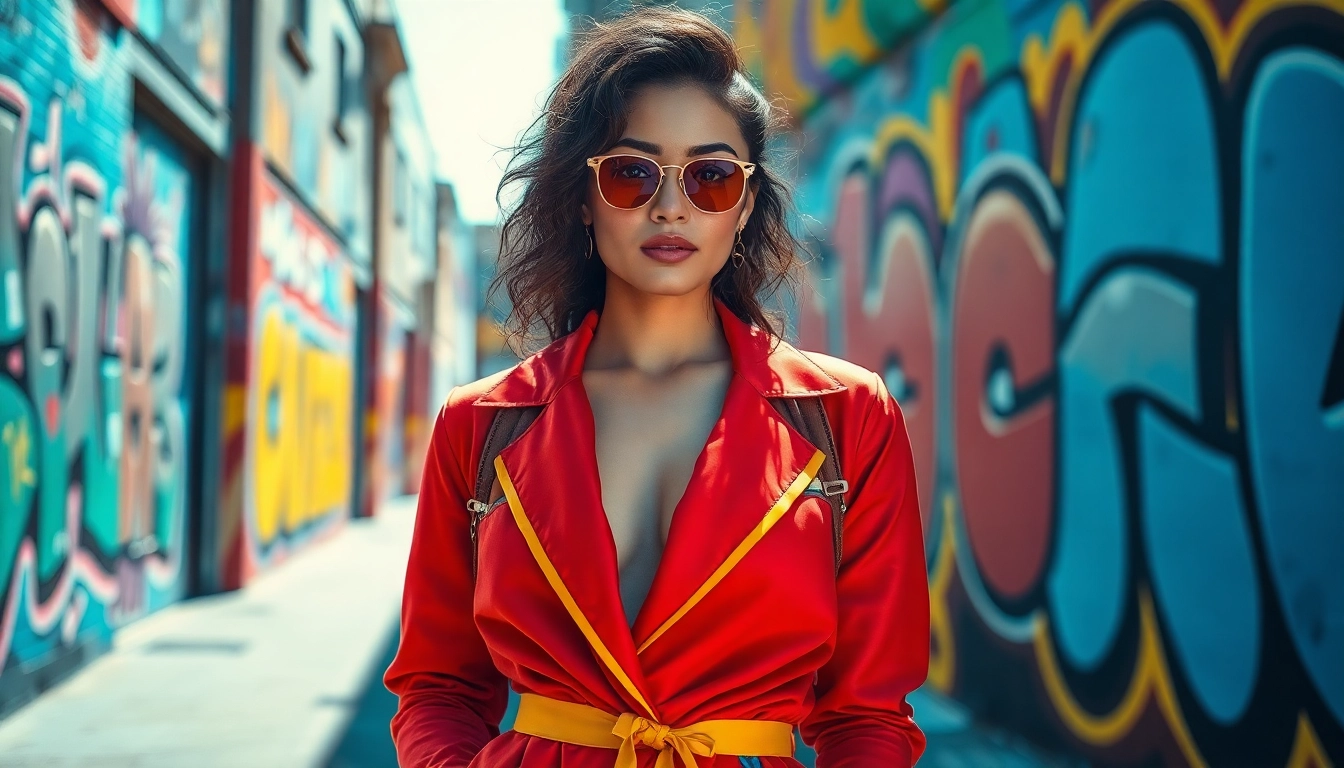
Understanding Fashion: A Cultural Perspective
The Definition of Fashion
Fashion is not merely a term to describe clothing, but rather a holistic reflection of individual disposition and cultural expressions. Originating from the Latin word "facere," meaning "to make," fashion encompasses the creation, mixing, and wearing of outfits that showcase specific cultural aesthetics, patterns, motifs, shapes, and cuts. It's an art form; a modeled communication through attire, often portraying personal identity, beliefs, and societal belonging.
Fashion’s Impact on Society
The significance of Fashion within societal frameworks cannot be overstated. Fashion serves as a powerful tool for self-expression and a means to convey social statuses, cultural identities, and artistic views. Throughout history, fashion has often mirrored societal shifts; for instance, during the women's liberation movement, fashion evolved to showcase both femininity and empowerment. Additionally, fashion plays a crucial role in various sectors including economy, culture, and even political landscapes. The lines between fashion and activism are increasingly blurred, as clothing becomes a way to express dissent, align with environmental causes, and advocate social change.
Evolving Fashion Trends Over Time
Fashion is inherently transient, characterized by the ebb and flow of trends that reflect societal moods and technological advancements. From the extravagant opulence of the Rococo period to the minimalist style of the late 20th century, each era in fashion tells a unique story. The 1980s saw a resurgence of bold colors and oversized silhouettes, while the 1990s ushered in a more casual and grunge aesthetic. Today, sustainability and inclusivity are at the forefront, marking a significant departure from fast fashion towards more conscious consumption.
Key Fashion Concepts to Know
Styles and Trends in Fashion
Fashion can be categorized into various styles and trends, each with distinct characteristics. For instance, "bohemian" style emphasizes free-spirited individuality, often integrating vintage and ethnic influences, while "streetwear" draws inspiration from urban youth culture combining functionality with aesthetics. Trends often cycle through phases of emergence, popularity, saturation, and decline, influenced by cultural shifts, celebrity endorsements, and social media movements. Understanding these categories aids individuals in navigating and selecting personal styles.
Essential Fashion Terminology
Familiarity with fashion terminology is vital for those looking to engage with the industry. Terms such as "haute couture," referring to high-end fashion custom-fitted to an individual, and "ready-to-wear," which are factory-made clothing lines available for immediate purchase, highlight the spectrum of fashion offerings. Other crucial terms include "capsule wardrobe," a minimalist collection of versatile pieces, and "fast fashion," referring to affordable trendy items that are mass-produced and quickly released.
The Role of Fashion in Identity Formation
Fashion plays a pivotal role in shaping one's identity, functioning as a visual statement of individuality and community. It’s the medium through which people convey their personality, beliefs, and values. Youth culture especially relies on fashion as a battleground for identity exploration, often showcasing rebellion, affiliation, or conformity through their choices. Over time, the intersection of fashion with various identities like gender, ethnicity, and socio-economic status has created a rich tapestry that signifies unique individual narratives.
Building a Fashionable Wardrobe
Identifying Your Personal Style
Understanding personal style is fundamental in building a fashionable wardrobe. This process begins with introspection: recognizing preferences, lifestyle, and body type. Embrace inspirations from various sources, such as street style, fashion magazines, and social media influencers. It’s useful to curate a mood board that reflects desired aesthetics, assisting in visualizing a cohesive style. Evaluation of existing pieces against selected inspirations can also highlight what aligns with personal flair.
Wardrobe Essentials for Every Occasion
Creating a versatile wardrobe requires a foundation of essential pieces adaptable for various events. Key staples include a tailored blazer, a classic white shirt, a pair of well-fitted jeans, and reliable footwear. For formal events, a little black dress or tailored suit is indispensable. Additionally, layering pieces such as cardigans and scarves can modify outfits for different seasons and settings. The goal is to have a flexible wardrobe where items can interchange and accentuate each other, making dressing easier and more enjoyable.
Mixing and Matching Outfits
Mastering the art of mixing and matching is essential for maximizing wardrobe potential. Start by understanding color theory; complementary colors can create vibrant looks, while neutral hues provide balance. Patterns can add interest; however, mixing patterns requires thoughtful pairing—such as contrasting a floral with stripes using similar color palettes. The key is to experiment; layering textures and shapes creates unique styles that are both visually appealing and personal. Don't shy away from trying unconventional combinations to build confidence in outfit creation.
Staying Updated with Fashion Trends
Top Sources for Fashion Inspiration
Being attuned to the latest trends entails following reputable sources of fashion inspiration. High-fashion magazines, fashion events, and style blogs provide insights into emerging trends. Social media platforms like Instagram and Pinterest offer real-time style updates and allow direct interactions with influencers and designers. Engaging with fashion documentaries and YouTube channels can also deepen your understanding of the aesthetic movements and industry dynamics.
Following Fashion Influencers and Bloggers
Influencers and bloggers have revolutionized the fashion landscape, providing relatable content and unique perspectives on style. By curating authentic looks and sharing personal stories, they inspire followers to embrace their originality. The variety of niches, from sustainable fashion advocates to plus-size style icons, enrich opportunities for followers to discover styles that resonate personally. Engaging with these influencers can offer fresh insights and viable ways to incorporate trends into your own wardrobe.
Utilizing Social Media for Fashion Insights
Social media platforms serve as rich resources for fashion exploration and education. Instagram hashtags allow discovering niche communities and trends. Engaging with platforms like TikTok can provide rapid insights into seasonal trends through short, dynamic videos. Utilize Pinterest for outfit ideas, following boards that align with your personal style. Being active in these communities fosters a wealth of knowledge and can introduce new trends before they become mainstream.
Frequently Asked Questions About Fashion
What are the latest fashion trends?
Latest fashion trends often include sustainable materials, vintage revivals, oversized silhouettes, monochrome palettes, and bold accessories. Keeping an eye on seasonal fashion weeks is an excellent way to identify emerging trends.
How do I find my fashion style?
Discover your fashion style by assessing your lifestyle, preferences, and inspirations. Create a mood board, follow your favorite influencers, and experiment with different styles to see what feels comfortable.
What are must-have wardrobe pieces?
Essentials include a classic white shirt, tailored blazer, versatile jeans, a little black dress, and comfortable shoes. These staples provide a foundation for a variety of outfits and occasions.
How do fashion cycles work?
Fashion cycles consist of phases: trend emergence, peak popularity, saturation, and eventual decline. Influences from society, culture, and technology often dictate these cycles and the evolution of trends.
Why is fashion important in society?
Fashion acts as a powerful means of self-expression and a reflection of societal norms and values. It can signify changes in culture, contribute to economic statuses, and inspire movements for social change.