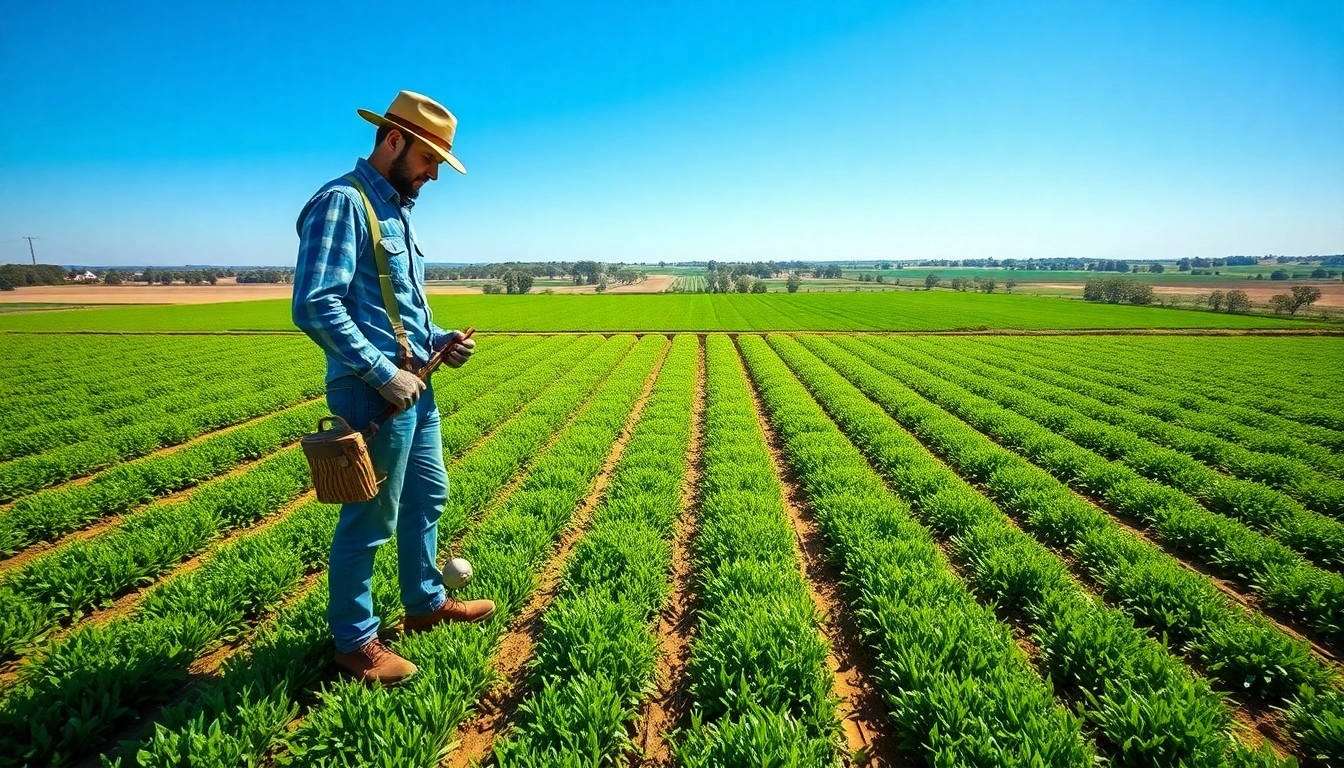
Understanding Land Irrigation Basics
Definition and Importance of Land Irrigation
Land irrigation is a critical agricultural practice that involves the application of controlled amounts of water to crops at needed intervals. This process not only enhances crop production but also ensures the sustainability of farming in regions with inadequate rainfall. With increasing global temperatures, changing precipitation patterns, and population growth, the significance of effective land irrigation has never been more pronounced. It helps farmers maximize yields, maintain soil health, and manage financial resources more efficiently. Understanding its foundational concepts allows practitioners to implement strategies that contribute to food security and environmental sustainability.
Types of Land Irrigation Systems
There are various land irrigation systems, each offering unique methods for water application. The most common types include:
- Surface Irrigation: Water flows over the soil surface, allowing it to infiltrate. This method is cost-effective but requires flat terrain.
- Drip Irrigation: Water is delivered directly to plant roots through a network of tubing and emitters, ensuring minimal evaporation and runoff.
- Sprinkler Irrigation: Simulates rainfall by spraying water over crops, suitable for a variety of terrain and crop types.
- Subsurface Irrigation: Involves burying pipes below the soil surface, providing moisture directly to the root zone and minimizing evaporation.
- Center Pivot Irrigation: Uses rotating sprinklers mounted on wheeled towers to cover large areas, particularly effective for large-scale farming.
Water Source Considerations for Land Irrigation
The selection of a water source for land irrigation is a pivotal factor that influences irrigation success. Potential water sources include:
- Surface Water: Rivers, lakes, and reservoirs are common sources but are subject to seasonal fluctuations.
- Groundwater: Wells can provide a reliable water source; however, over-extraction can lead to depletion and land subsidence.
- Rainwater Harvesting: Collecting rainwater can supplement irrigation needs, especially in areas prone to drought.
- Treated Wastewater: In some regions, treated effluent is a sustainable irrigation option, reducing the pressure on freshwater resources.
Challenges in Land Irrigation Management
Common Obstacles to Efficient Irrigation
Despite the advantages, land irrigation faces several challenges:
- Water Scarcity: Competition for water resources leads to shortages, necessitating efficient use.
- Pest and Disease Management: Irrigation increases humidity, which can promote the growth of pests and diseases among crops.
- Infrastructure Costs: High initial investment for systems like drip or sprinkler irrigation may deter adoption.
- Soil Salinity: Poor irrigation practices can cause the accumulation of salts, degrading soil quality and crop yield.
Environmental Impact of Land Irrigation
The environmental implications of land irrigation are varied, impacting both ecosystems and water quality. Key aspects include:
- Habitat Alteration: Irrigation projects can disrupt local habitats, affecting biodiversity.
- Waterlogging: Excess water can lead to saturated soils, damaging root systems and reducing crop productivity.
- Contamination Risks: Fertilizers and pesticides used in irrigated areas can leach into groundwater and surface water, posing health risks.
- Climate Change Effects: Changes in precipitation and temperature patterns increasingly affect irrigation practices.
Economic Considerations in Land Irrigation
Economics play a fundamental role in the viability of land irrigation systems. Factors that influence the economic landscape include:
- Operational Costs: The ongoing expenses for maintaining irrigation infrastructure affect profitability.
- Yield Increases: Improved irrigation often leads to higher yields and better quality produce, contributing to overall farm income.
- Market Demand: Availability of water can determine crop selection and timing, impacting market competitiveness.
- Government Policies: Subsidies, regulations, and incentives play a role in encouraging efficient irrigation practices.
Advanced Techniques for Effective Land Irrigation
Drip Irrigation: Maximizing Water Efficiency
Drip irrigation has emerged as one of the most efficient irrigation methods by directly delivering water to the root zone of plants. Benefits include:
- Water Conservation: It minimizes water loss through evaporation and runoff.
- Weed Control: Only targeted areas receive water, reducing the growth of competing vegetation.
- Enhanced Crop Quality: Consistent moisture levels improve plant health and fruit quality.
Farmers can implement drip systems by assessing specific crop needs, soil characteristics, and local water availability for optimal performance.
Subsurface Irrigation for Optimal Crop Growth
Subsurface irrigation involves placing irrigation tubes below the soil surface to deliver water directly to plant roots. This technique presents several advantages:
- Reduced Evaporation: Water is applied within the root zone, dramatically decreasing evaporation losses.
- Improved Soil Structure: Watering from below encourages roots to grow deeper, promoting healthier plants.
- Minimal Runoff: This method conserves water by minimizing surface runoff and soil erosion.
Proper management of subsurface systems is necessary to avoid potential over-saturation and maintain soil health.
Smart Irrigation Systems and Technology
The advancement of technology has greatly enhanced irrigation management. Smart irrigation systems utilize sensors, weather data, and automated controllers, allowing farmers to:
- Optimize Water Use: By delivering water only when necessary, efficiency is maximized.
- Remote Monitoring: Farmers can track soil moisture levels and system performance from anywhere, ensuring timely interventions.
- Data-Driven Decisions: Historical data analysis enables better planning and forecasting, adapting to changing conditions.
As smart technology continues to evolve, farmers can expect increased precision in their irrigation practices.
Best Practices for Sustainable Land Irrigation
Maintaining Soil Health in Irrigated Areas
Soil health is vital for sustaining irrigated crop production. Best practices to maintain soil health include:
- Crop Rotation: Alternating crops helps in preventing pest build-up and improves nutrient cycling.
- Organic Matter Addition: Enhancing soil with compost or mulch improves structure and fertility.
- Avoiding Over-Irrigation: Proper scheduling based on crop needs prevents leaching of essential nutrients and reduces compaction.
- Regular Testing: Soil testing helps in adjusting pH and nutrient levels, optimizing irrigation effectiveness.
Water Conservation Strategies in Land Irrigation
Water conservation plays a crucial role in sustainable land irrigation. Strategies include:
- Rainwater Harvesting: Capturing and storing rainwater for irrigation helps alleviate pressure on freshwater sources.
- Efficient Scheduling: Implementing irrigation during cooler times of the day reduces evaporation loss.
- Using Mulch: Mulching helps retain soil moisture and reduce temperature extremes.
- Repairing Leaks: Regular maintenance ensures that irrigation systems are free of leaks, minimizing water wastage.
Monitoring and Adjusting Irrigation Techniques
Continuous monitoring and adjusting irrigation techniques are vital to respond to changing conditions effectively. Essential actions include:
- Utilizing Moisture Sensors: These devices provide real-time data on soil moisture, enabling precise irrigation scheduling.
- Feedback Loops: Establishing systems that allow for regular performance reviews helps in fine-tuning methods.
- Adopting Flexibility: Being open to adjusting methodologies based on crop response and environmental changes is key to success.
Measuring Success in Land Irrigation
Key Performance Indicators for Irrigation Efficiency
Assessing the success of irrigation practices relies on several key performance indicators (KPIs):
- Water Use Efficiency: This measures the amount of crop produced per unit of water used.
- Yield Per Acre: Tracking crop yield relative to water input provides insights on irrigation effectiveness.
- Soil Moisture Levels: Regular monitoring of moisture can indicate whether the provided irrigation meets crop needs.
- Cost Per Crop Unit: Evaluating the expenses associated with irrigation against the revenue can determine economic viability.
Case Studies: Successful Land Irrigation Projects
Learning from successful case studies can help farmers implement effective strategies. Examples include:
- California’s Drip Irrigation Adoption: Transitioning to drip irrigation in various crops has significantly reduced water usage while increasing yields.
- Israel’s Water Management Practices: Advanced, technology-focused irrigation systems have transformed arid land into productive agricultural areas.
- Southern Africa’s Rainwater Harvesting: Implementing community rainwater harvesting projects has optimized water use in regions facing severe drought.
Future Trends and Innovations in Land Irrigation
The future of land irrigation holds promising advancements and trends that include:
- Increased Automation: The growing use of automated irrigation systems will enhance efficiency and reduce labor costs.
- Data Analytics: Utilizing big data and machine learning for predictive analytics will optimize irrigation scheduling and resource management.
- Sustainable Technologies: Innovations in eco-friendly irrigation practices will further support environmental stewardship and conservation.
- Policy Innovations: Development of better regulatory frameworks can incentivize sustainable water use in agriculture.
FAQs about Land Irrigation
What are the main types of land irrigation systems?
The main types include surface, drip, sprinkler, subsurface, and center pivot irrigation systems, each with unique applications and benefits.
How does irrigation affect crop yield?
Irrigation provides necessary water for crops, improving growth and productivity while helping to manage soil moisture levels effectively.
What are common challenges faced in irrigation management?
Challenges include water scarcity, infrastructure costs, soil salinity, and pest management, all of which can impact irrigation success.
How can farmers conserve water in irrigation?
Farmers can conserve water using efficient techniques like drip irrigation, rainwater harvesting, and optimizing their irrigation schedules.
Why is soil health important in irrigated areas?
Maintaining soil health ensures sustainable productivity and helps prevent issues such as salinity, nutrient depletion, and reduced crop yields.