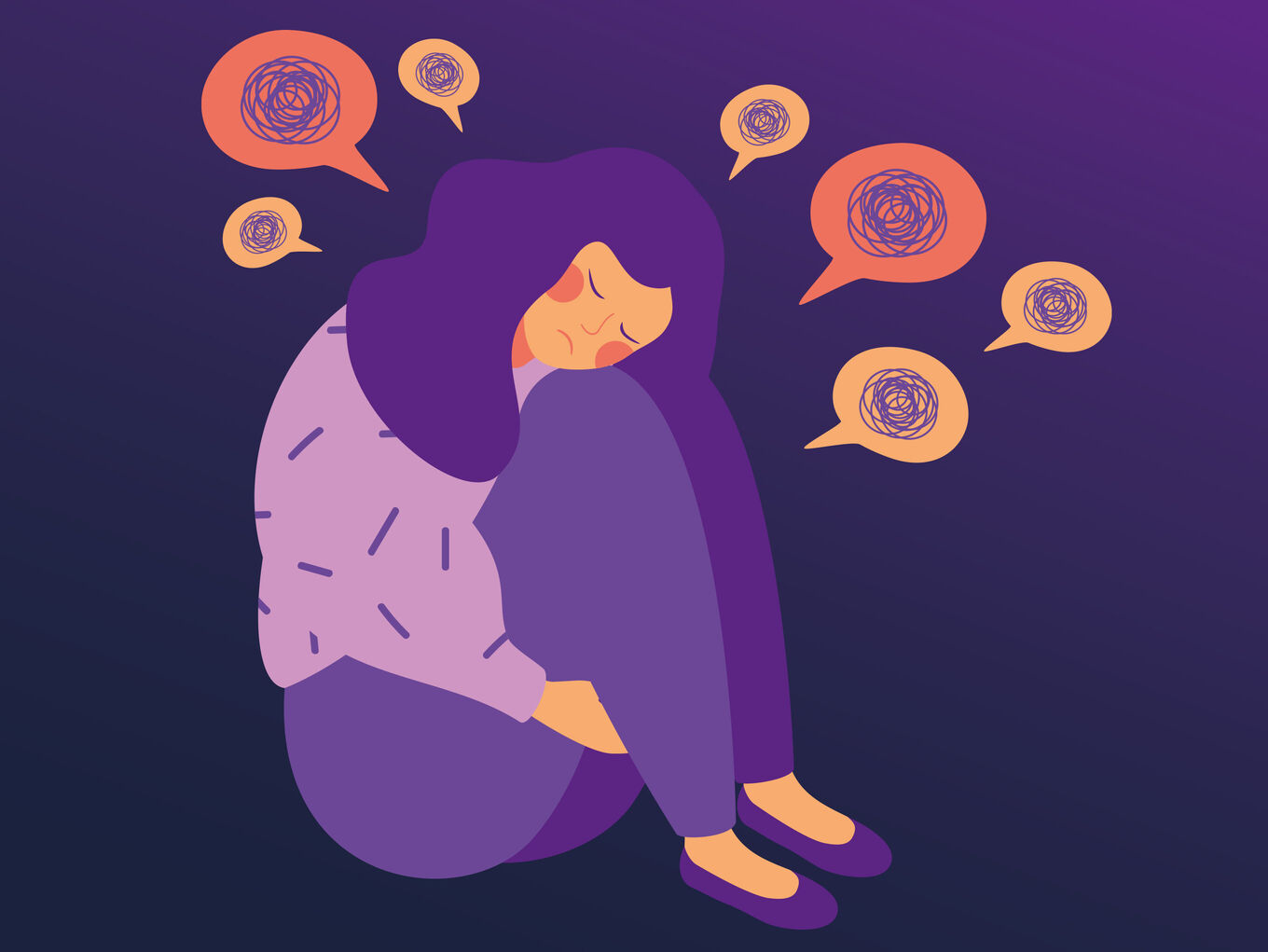
Depression is a complex mental health condition that often arises from a combination of genetic, biological, psychological, and environmental factors. Among the most significant contributors are chronic stress and emotional trauma, which can profoundly affect an individual's emotional, cognitive, and physical well-being. Understanding Depression symptoms linked to stress and trauma is essential for recognizing early warning signs, seeking timely support, and promoting long-term recovery.
Stress and emotional trauma affect the brain's ability to regulate mood, respond to challenges, and process experiences. When these stressors are prolonged or severe, they can trigger depression symptoms that manifest in multiple areas of life, including emotional stability, cognitive functioning, social relationships, and physical health. These symptoms are often subtle at first, gradually shaping how individuals experience daily life.
This article provides a detailed exploration of depression symptoms associated with stress and emotional trauma, explaining how they develop, how they manifest, and why early recognition is critical for emotional and mental health.
Understanding Stress, Trauma, And Depression
Stress is the body's response to perceived threats or challenges, while trauma refers to experiences that overwhelm a person's ability to cope emotionally, mentally, or physically. Both stress and trauma can trigger or exacerbate depression symptoms, particularly when they are chronic or unresolved.
The effects of stress and trauma on depression are not merely psychological. Biological mechanisms, such as alterations in the hypothalamic-pituitary-adrenal (HPA) axis, changes in neurotransmitter levels, and inflammation, play a role in how the brain responds to prolonged stress. These changes can contribute to the onset of depression symptoms, including persistent sadness, anxiety, cognitive difficulties, and physical fatigue.
How Chronic Stress Contributes To Depression
Chronic stress occurs when an individual faces ongoing pressures, whether from work, family, finances, or social expectations. Unlike acute stress, which can motivate problem-solving, chronic stress gradually erodes emotional resilience and increases vulnerability to depression.
Depression symptoms linked to chronic stress often include irritability, emotional exhaustion, difficulty concentrating, and changes in sleep and appetite. Over time, the body and mind struggle to maintain equilibrium, making individuals more susceptible to persistent low mood and emotional dysregulation.
The Role Of Emotional Trauma In Depression
Emotional trauma encompasses experiences that cause intense psychological distress, such as abuse, loss, neglect, or exposure to violence. Trauma can have long-lasting effects on mental health, increasing the risk of depression and other mood disorders.
Depression symptoms triggered by trauma may include hypervigilance, intrusive thoughts, emotional numbness, guilt, and feelings of helplessness. Trauma can disrupt the ability to trust, regulate emotions, and maintain a sense of safety, leading to patterns of emotional distress that sustain depressive symptoms.
Emotional Symptoms Linked To Stress And Trauma
Depression symptoms connected to stress and trauma often manifest as emotional disturbances that affect mood, resilience, and interpersonal functioning.
Persistent Sadness And Emotional Pain
One of the most common emotional symptoms is persistent sadness or emotional pain that continues despite efforts to improve circumstances. This sadness may feel heavy, pervasive, and difficult to alleviate.
Persistent sadness affects daily functioning by reducing engagement with activities, limiting emotional expression, and increasing vulnerability to negative thought patterns. Emotional pain linked to trauma may be accompanied by feelings of loss, grief, or unresolved conflict.
Irritability And Anger
Stress and trauma can heighten emotional reactivity, leading to increased irritability and anger. Individuals may respond intensely to minor frustrations or perceive threats where none exist.
These emotional reactions can strain relationships, interfere with problem-solving, and contribute to feelings of guilt or regret. Recognizing irritability as a symptom of depression helps differentiate it from personality traits or situational responses.
Emotional Numbness And Detachment
Emotional trauma may lead to depression symptoms such as emotional numbness or detachment. Individuals may feel disconnected from their own feelings, relationships, or surroundings.
This detachment serves as a protective mechanism against overwhelming emotions but can result in isolation, lack of motivation, and reduced engagement in life. Emotional numbness is often misunderstood but represents a significant symptom of depression linked to trauma.
Hopelessness And Helplessness
Stress and trauma can create a sense of hopelessness, where individuals perceive that their circumstances will not improve. Helplessness often accompanies this feeling, as past experiences of trauma may have demonstrated a lack of control.
These emotional states reduce motivation, interfere with decision-making, and increase the risk of self-destructive behaviors. Persistent hopelessness is a critical warning sign that requires immediate attention.
Guilt And Self-Blame
Depression symptoms linked to trauma frequently involve excessive guilt and self-blame. Individuals may feel responsible for events beyond their control or interpret negative experiences as personal failures.
This pattern reinforces emotional distress and low self-esteem, making recovery more challenging. Recognizing guilt as a symptom rather than a moral failing is essential for emotional healing.

Cognitive Symptoms Associated With Stress And Trauma
Depression symptoms often include cognitive changes that interfere with thought processes, memory, and problem-solving abilities. Stress and trauma can exacerbate these cognitive disturbances.
Negative Thought Patterns
Chronic stress and trauma often contribute to pervasive negative thinking. Individuals may focus on failures, anticipate negative outcomes, or interpret neutral events as threatening.
Negative thought patterns maintain depressive symptoms and increase emotional distress. Cognitive restructuring through therapy or mindfulness practices can help interrupt these automatic negative processes.
Difficulty Concentrating And Decision-Making
Depression symptoms linked to stress and trauma frequently include difficulties with concentration and decision-making. Individuals may find it challenging to focus on work, school, or daily responsibilities.
Cognitive overload caused by stress hormones and trauma-related hypervigilance can impair memory, attention, and executive functioning. These difficulties may exacerbate feelings of incompetence or frustration, further reinforcing depressive patterns.
Rumination And Intrusive Memories
Rumination involves persistent, repetitive thinking about past negative experiences or perceived failures. Emotional trauma often leads to intrusive memories or flashbacks that interfere with mental clarity.
This cognitive symptom maintains emotional distress, prevents problem-solving, and contributes to sleep disturbances. Recognizing rumination as a symptom rather than a character flaw is essential for recovery.
Physical Symptoms Of Depression Linked To Stress And Trauma
Depression symptoms are not confined to emotional and cognitive domains; they often manifest physically. Stress and trauma exacerbate these physical effects, which can further impact overall functioning.
Fatigue And Low Energy
Chronic stress and trauma contribute to persistent fatigue, leaving individuals physically and mentally drained. Energy depletion affects motivation, concentration, and daily responsibilities.
Fatigue may not improve with rest alone, highlighting the role of depression in reducing physiological and emotional resilience.
Sleep Disturbances
Sleep is often disrupted by depression symptoms linked to stress and trauma. Insomnia, early waking, or excessive sleep can all occur, interfering with restorative processes.
Poor sleep exacerbates emotional instability, cognitive difficulties, and physical fatigue, creating a cyclical pattern that maintains depressive symptoms.
Somatic Complaints
Physical symptoms such as headaches, muscle tension, gastrointestinal disturbances, and chronic pain are common in individuals experiencing depression symptoms related to stress and trauma.
These somatic complaints often lack a clear medical cause but are closely tied to emotional and psychological strain. Addressing underlying depression can help alleviate physical discomfort.
Behavioral Changes Associated With Stress-Related Depression
Depression symptoms affect behavior in ways that may be subtle or pronounced, depending on the individual and the context of stress or trauma.
Withdrawal And Isolation
Individuals may reduce social interactions, avoid activities, or disengage from previously meaningful responsibilities. Social withdrawal intensifies emotional distress and limits access to support.
Behavioral isolation reinforces negative thought patterns and emotional numbness, perpetuating depression symptoms.
Changes In Daily Routines
Stress-related depression may disrupt daily routines such as eating, sleeping, personal care, or work habits. Individuals may struggle to maintain consistency or experience reduced motivation to follow regular schedules.
Routine disruption can further reduce feelings of control and exacerbate emotional and cognitive symptoms.
Risky Or Self-Destructive Behaviors
Some individuals may engage in self-destructive behaviors, including substance misuse, reckless decisions, or self-harm. These behaviors often represent attempts to cope with overwhelming stress or trauma.
Early recognition of these behaviors is critical to prevent harm and provide appropriate support.
Impact On Relationships
Depression symptoms linked to stress and trauma affect interpersonal relationships. Emotional numbness, irritability, withdrawal, and cognitive difficulties can strain connections with family, friends, and colleagues.
Relationships often suffer because others may misinterpret symptoms as personal disinterest, attitude problems, or laziness. Understanding that these behaviors are rooted in depression rather than intentional actions promotes empathy and supportive interactions.
The Importance Of Early Recognition
Recognizing depression symptoms linked to stress and emotional trauma early is essential for effective intervention. Awareness allows individuals to seek help before symptoms become entrenched or lead to long-term impairment.
Early recognition reduces the risk of chronic depression, improves response to treatment, and prevents additional stress and trauma from compounding emotional distress.
Treatment And Support Strategies
Effective management of depression symptoms related to stress and trauma often involves a combination of therapeutic approaches, lifestyle changes, and social support.
Psychotherapy
Evidence-based therapies such as cognitive-behavioral therapy (CBT), trauma-focused therapy, and dialectical behavior therapy (DBT) help individuals process trauma, manage stress, and develop coping skills.
Medication
Antidepressant medications may be prescribed in cases where symptoms are severe or persistent. Medication can help regulate mood and improve energy, sleep, and cognitive functioning.
Lifestyle Interventions
Healthy routines, including regular exercise, balanced nutrition, mindfulness practices, and adequate sleep, support emotional and physical resilience. Reducing exposure to chronic stressors when possible also contributes to recovery.
Social Support
Family, friends, and support groups provide validation, encouragement, and practical assistance. A strong support network enhances resilience and promotes adherence to treatment strategies.
Coping With Triggers And Stressful Environments
Individuals with depression symptoms related to stress and trauma benefit from identifying triggers and developing strategies to manage them. Techniques may include stress reduction exercises, time management, relaxation methods, and emotional regulation strategies.
Consistent practice of coping skills helps reduce the intensity of symptoms and supports long-term emotional recovery.
The Connection Between Trauma, Stress, And Long-Term Depression
Unresolved trauma and chronic stress can lead to prolonged depression symptoms that persist for months or years. This long-term impact can interfere with emotional, cognitive, and physical functioning, emphasizing the importance of early intervention and ongoing support.
Understanding the connection between trauma, stress, and depression helps individuals and caregivers respond proactively, rather than waiting for symptoms to escalate.
Conclusion
Depression symptoms linked to stress and emotional trauma affect multiple dimensions of life, including emotional stability, cognitive functioning, physical health, behavior, and relationships. Persistent sadness, irritability, emotional numbness, negative thinking, fatigue, sleep disturbances, and social withdrawal are key indicators that should never be ignored.
Recognizing these symptoms early, understanding their origins, and seeking appropriate care are essential steps in managing depression effectively. By addressing stress and trauma, individuals can reduce symptom severity, restore emotional balance, and improve overall quality of life. Awareness, compassion, and professional support provide the foundation for recovery and resilience. Your journey starts at our homepage—check it out today.
FAQs
How does emotional trauma contribute to depression symptoms
Emotional trauma contributes to depression symptoms by overwhelming the individual’s coping mechanisms, disrupting emotional regulation, and reinforcing negative thought patterns and hopelessness.
Can chronic stress alone trigger depression
Yes, chronic stress can alter brain chemistry, reduce emotional resilience, and lead to persistent symptoms such as fatigue, irritability, sleep disturbances, and loss of motivation.
What are effective strategies for managing depression linked to stress and trauma
Effective strategies include psychotherapy, medication when indicated, lifestyle adjustments such as exercise and mindfulness, social support, and identifying triggers to reduce exposure to ongoing stress.