
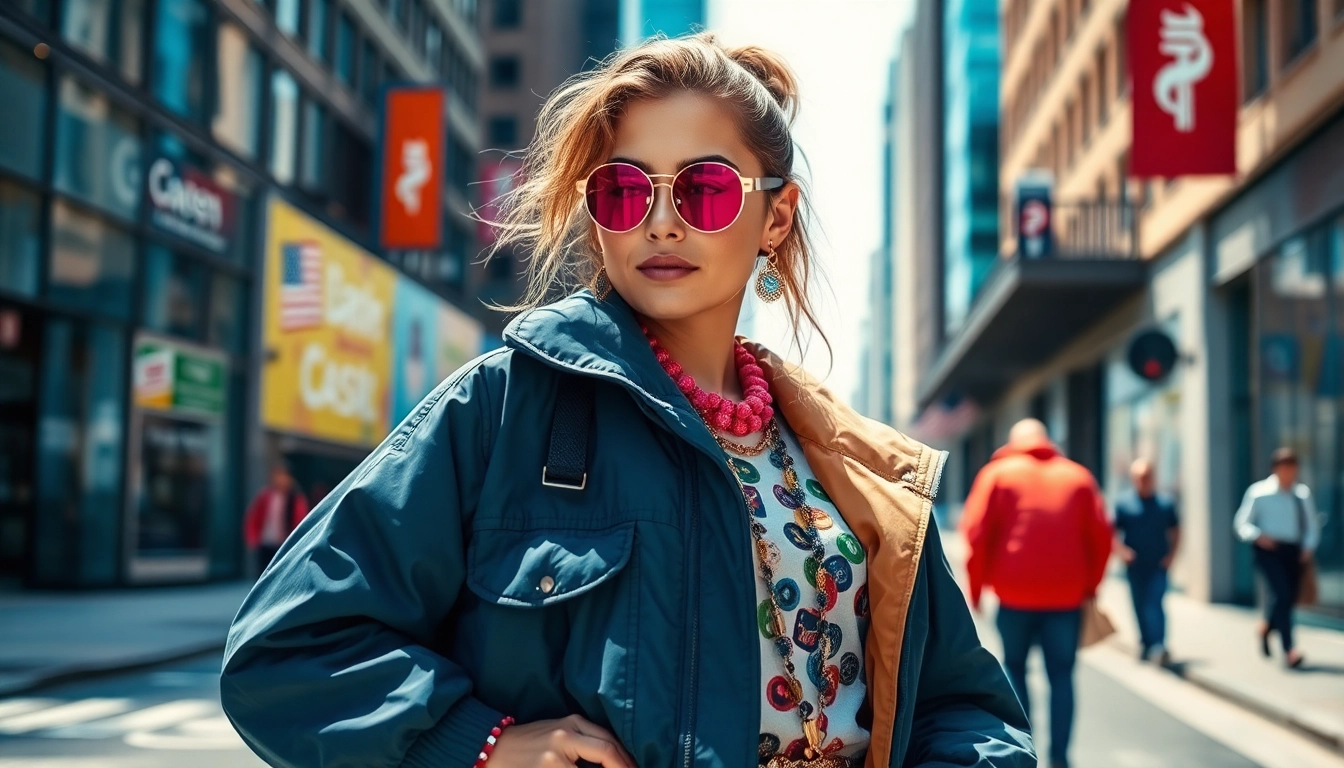
Understanding the Evolution of Fashion
Fashion is a multifaceted phenomenon that encompasses various elements of society, culture, and art. As we delve into its intricacies, we must recognize how its evolution reflects historical contexts and shifting social norms. Today, fashion stands as a powerful medium for personal expression and identity, serving not only as a means of clothing but also as a canvas for our values, beliefs, and aspirations. Engaging with the world of Fashion illuminates the rich tapestry of influences that shape our wardrobes.
Historical Influences on Modern Fashion
The journey of fashion is rooted in history, where each era presents distinct styles influenced by socio-political changes, technological advancements, and cultural exchanges. Ancient civilizations, such as the Egyptians and Romans, established the foundations of fashion through the use of textiles and ornamentation. The Renaissance period ignited a revival of art and culture, leading to elaborate garments that emphasized craftsmanship. Fast forward to the 20th century, when fashion democratization began. The introduction of ready-to-wear clothing changed how individuals interacted with fashion, making it accessible to all.
The Impact of Pop Culture on Fashion Trends
Pop culture has long played a crucial role in shaping fashion trends. Celebrities, musicians, and influencers set standards that both followers and aspirants eagerly adopt. From the rock 'n' roll style of the 1950s to the grunge movement of the 1990s, pop culture remains an unstoppable force. Today, platforms like social media can rapidly disseminate trends, illustrating how quickly and broadly fashion can evolve. The interaction between fashion and identity further complicates this relationship, as individuals often align their personal style choices with popular cultural icons.
Key Fashion Movements Throughout History
Several fashion movements have significantly impacted the industry. For instance, the flapper style of the 1920s sparked a shift towards more liberated and gender-fluid garments, reflecting women's newfound independence. Similarly, the punk movement of the 1970s heralded an era of rebellion against the status quo, with the rise of DIY fashion as a statement of individuality. Each of these movements encapsulates broader societal changes, highlighting the deeper narratives woven within fabric and thread.
Identifying Current Fashion Trends
As we embark on a journey through today’s fashion landscape, it’s essential to recognize the prevailing trends that define contemporary style. This current era is marked by a focus on sustainability, innovation, and digital engagement, signaling a shift in consumer values and preferences.
The Rise of Sustainable Fashion
The fashion industry faces significant scrutiny regarding its environmental impact, leading to the rise of sustainable fashion. Consumers are increasingly conscious of their purchasing decisions, favoring brands that adopt ethical practices and sustainable materials. The incorporation of organic fabrics, recycling initiatives, and transparent supply chains has transformed the industry landscape. Notably, sustainable fashion advocates emphasize the importance of mindful consumption, prompting individuals to invest in timeless pieces that transcend fleeting trends.
Color Palettes and Patterns in Today’s Styles
Color palettes and patterns can convey powerful messaging in today’s fashion. Bold and vibrant hues are particularly prominent, as consumers strive for personal expression in their wardrobes. Patterns, including florals and animal prints, provide a playful touch that can transform simple silhouettes into showstoppers. Seasonal trends also dictate color choices, with earth tones gaining popularity in cooler months, while bright pastels and neon shades dominate spring and summer collections.
Popular Fabrics and Textures Shaping Fashion
Today’s fabric choices reflect a combination of aesthetics, comfort, and functionality. Natural materials such as cotton, linen, and bamboo are frequently favored for their breathability and sustainability. Meanwhile, innovative synthetic fabrics offer advantages such as moisture-wicking and durability, catering to a range of lifestyles. Textures like velvet and leather can elevate an outfit, signaling sophistication or rebelliousness, depending on how they are styled.
The Role of Social Media in Fashion
In the digital age, social media stands at the forefront of fashion dissemination, profoundly influencing how trends are created, shared, and consumed. With platforms like Instagram, TikTok, and Pinterest, fashion enthusiasts can curate personal styles while accessing diverse influences worldwide.
Influencers and Their Impact on Fashion Choices
Fashion influencers wield considerable power in shaping consumer preferences. By showcasing styled outfits, they inspire followers to emulate their looks. Influencers often collaborate with brands, generating a new revenue stream while establishing authenticity in their recommendations. The birth of the "influencer" culture has catalyzed an evolution in marketing strategies, shifting from traditional advertisements to organic, relatable content that resonates with audiences.
Platforms Driving Fashion Trends
Social media platforms serve as catalysts for emerging trends, allowing for collective engagement. Hashtags can elevate specific styles, while trend challenges can virally spread ideas in days. For example, through TikTok’s ‘Get Ready With Me’ (GRWM) videos, users share their styling choices, showcasing the intersection of creativity, practicality, and community. This instant feedback loop fosters a dynamic fashion ecosystem with ever-evolving tastes.
The Emergence of Virtual Fashion
As technology advances, so too does the concept of fashion. Virtual fashion, which encompasses digital clothing and accessories, represents a new frontier. It allows individuals to express their style in virtual spaces such as video games, social media, and digital gatherings. This trend raises essential questions about ownership, identity, and the future of physical fashion. Notably, virtual fashion can offer a more sustainable alternative to traditional materials, encouraging creativity without environmental implications.
How to Incorporate Trends into Your Wardrobe
For individuals seeking to incorporate contemporary trends into their wardrobes, a thoughtful and intentional approach is vital. Balancing personal style with current styles can yield a chic and timeless look.
Key Pieces to Invest in for Your Fashion Collection
When evaluating your wardrobe, consider investing in versatile key pieces that can anchor multiple outfits. Essential items may include a well-fitted blazer, classic denim, quality outerwear, and comfortable footwear. Accessories such as statement bags and versatile jewelry can elevate basic outfits while allowing room for personal expression. Investing in these fundamental pieces lessens the temptation to indulge in fast fashion.
Mixing and Matching Current Trends Effectively
Successfully mixing and matching trending pieces requires experimentation and creativity. Play with contrasting patterns, layering textures, and integrating seasonal colors into your look. For instance, pairing a vibrant print with a neutral base can create visual interest while maintaining balance. The key is to have fun while refining your unique expression, allowing your personality to shine through your clothing choices.
Personal Style Versus Trend Adherence
Establishing a personal style means understanding how to curate trends that resonate with who you are and what you value. It’s vital to remain mindful of the balance between trend adherence and authenticity. While it’s exciting to engage with contemporary trends, leaning too heavily into them can dilute one’s unique voice. A thoughtful approach ensures that your wardrobe reflects both timely relevance and genuine expression.
FAQs on Fashion Trends: Common Queries Answered
What does Fashion mean in today’s context?
Fashion today represents a dynamic interplay between personal expression and societal values. It encompasses various styles, cultures, and practices, allowing individuals to showcase uniqueness through clothing, accessories, and aesthetics.
How can I keep up with the latest fashion trends?
Staying updated involves following fashion influencers on social media, reading fashion publications, and exploring trend forecasts. Engaging with platforms like Pinterest and Instagram is a great way to visualize emerging trends.
What are the must-have items for this season?
This season's must-have items include versatile blazers, oversized outerwear, statement knits, and trendy footwear. Accessories like chunky jewelry and vibrant bags also top the list for elevating basic outfits.
How does sustainability affect Fashion choices?
Sustainability increasingly influences consumer choices, emphasizing ethical production practices and environmentally-friendly materials. Shoppers now seek brands that align with their values, opting for quality over quantity.
Why is Fashion considered an art form?
Fashion merges creativity with functionality, allowing designers to express artistic visions and cultural narratives through clothing. This blend of craftsmanship and innovation elevates fashion into a recognized art form.