Understanding Image to Image Techniques
Definition and Importance
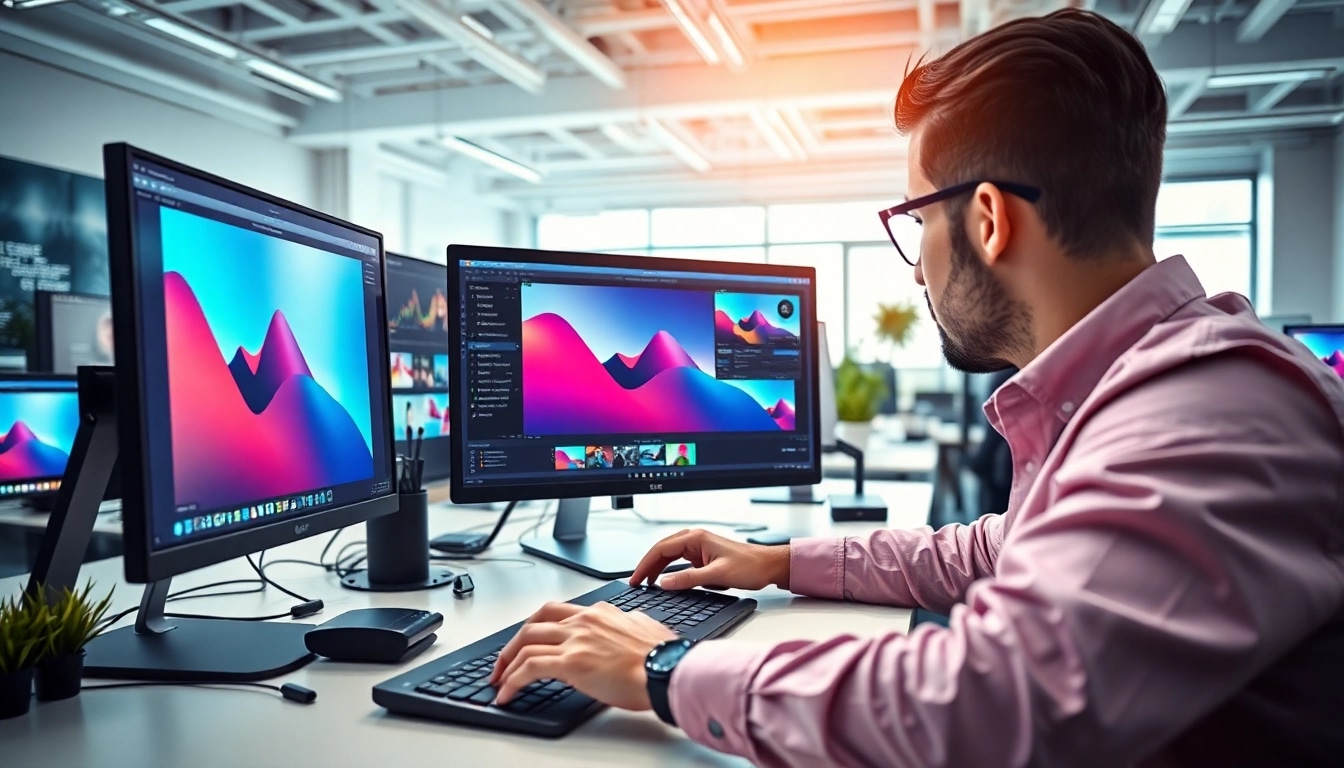
Image to image techniques refer to processes that transform or convert images from one form to another, utilizing various technologies such as computer graphics, machine learning, and digital artistry. These methods are increasingly important in a world that is so visually driven, impacting fields from marketing to virtual reality. The image to image approach enables creators to synthesize new visuals from existing ones, offering vast possibilities for manipulation, redesign, or enhancement.
How It Works
The core of image to image techniques lies in their ability to analyze input images to generate output images based on a set of predefined rules or algorithms. Utilizing concepts from machine learning, particularly generative adversarial networks (GANs) and convolutional neural networks (CNNs), these techniques can learn from a dataset to produce creative outputs. For instance, with a model trained on various styles, an artist can transform a simple photograph into a stunning painting or create realistic simulations for design prototypes.
Applications in Different Industries
Image to image techniques find applications across multiple sectors:
- Advertising: Brands employ these techniques to create captivating visuals that target specific demographics.
- Entertainment: From movie special effects to game development, image to image methodologies help in crafting immersive experiences.
- Healthcare: In medical imaging, specialists can enhance scans or create 3D models from 2D images.
- Fashion and Design: Designers can quickly iterate concepts, applying changes and visualizing outcomes instantly.
- Education: Interactive learning experiences can be enhanced through visual simulations derived from existing materials.
Tools for Image to Image Conversion
Software Options
There are numerous software tools available for effective image to image transformations. Popular options include:
- Adobe Photoshop: A versatile tool for artists, offering a wide range of filters and effects for image manipulation.
- GIMP: A free and open-source alternative that serves as a powerful platform for image editing and conversion.
- Runway ML: An AI-focused tool that integrates machine learning capabilities to enhance image processing workflows creatively.
- DeepArt: An AI-based software that turns your photos into artworks, showcasing stylish transformations through AI algorithms.
Hardware Recommendations
Optimal performance in image processing tasks often requires adequate hardware. Here are key hardware considerations:
- Graphics Card: A high-performance GPU is essential for tasks involving machine learning and heavy rendering.
- RAM: At least 16GB of RAM is recommended for multitasking and handling complex image files efficiently.
- Processor: A multi-core processor will enhance the speed of image processing tasks, reducing lag time.
- SSD Storage: Fast data access improves the efficiency of image rendering and loading times.
Integrating AI Tools
Artificial intelligence is transforming the landscape of image to image techniques. Integration of AI tools accelerates and enhances image processing. For example:
- Style Transfer: AI can analyze an image's style and seamlessly apply it to another visual, perfect for branding and marketing projects.
- Image Restoration: AI algorithms are adept at reconstructing images, removing artifacts or noise, and enhancing resolution.
- Generative Design: AI can suggest design variations and improvements, aiding in the creative brainstorming process.
Best Practices for Effective Image to Image Workflows
Planning Your Project
Initial planning is crucial for a successful image to image project. Start by identifying the purpose of your images and the desired outcomes. This involves determining the target audience, selecting the appropriate tools, and creating a timeline for the project's completion. By setting clear milestones, you can monitor progress and make necessary adjustments.
Layout and Composition Tips
An effective layout ensures that your visuals communicate the intended message effectively. Use the following techniques:
- Rule of Thirds: Divide your image into thirds, both horizontally and vertically, to create balance and focus.
- Contrast and Color: Use contrasting colors to highlight key elements and create depth.
- Whitespace: Ensure ample whitespace for breathing room around elements, enhancing readability and impact.
Maintaining Brand Consistency
Brand consistency is vital for recognition and trust. All images should reflect your brand’s visual identity, using consistent color palettes, typography, and design elements. Create style guides and ensure all team members involved in the image to image process adhere to them. Regular reviews can help maintain visual coherence across all outputs.
Challenges and Solutions in Image to Image Creation
Common Issues Faced
Image to image projects can encounter several common challenges:
- Quality Control: Maintaining image quality across different transformations can often prove difficult.
- Technical Limitations: Software or hardware might not support complex processes required for certain transformations.
- Conceptual Misalignment: Inconsistent interpretations of visual goals among team members may lead to disjointed outputs.
How to Overcome Technical Difficulties
Addressing technical challenges is crucial for project success. Here are some solutions:
- Software Updates: Keep tools up-to-date to leverage new features and improvements that enhance performance.
- Training: Provide training sessions for team members to ensure they are well-versed with the software tools being employed.
- Backup Plans: Develop contingency plans in case of software failures or unexpected issues, ensuring projects stay on track.
Quality Assurance Techniques
Quality assurance techniques are essential for maintaining high standards in image to image projects:
- Peer Reviews: Collaborating with peers for feedback helps catch errors or inconsistencies before final approval.
- Testing and Iteration: Test images on different platforms to ensure they perform well in various conditions.
- Version Control: Use version control to track changes and revert to previous iterations if necessary, aiding in maintaining consistency.
Measuring Success in Image to Image Projects
Key Performance Indicators
To evaluate success, measurable key performance indicators (KPIs) should be defined, such as:
- Engagement Rate: Analyze how audiences interact with the visuals across platforms.
- Conversion Rates: Monitor how effectively images drive actions, such as purchases or sign-ups.
- Brand Recognition: Survey audiences about brand recall and recognition linked to visuals.
Feedback and Iteration
Incorporating feedback is critical for improvement. Use surveys and direct audience interactions to gather insights on the images' effectiveness. Analyze data from performance metrics to iterate and refine visuals, ensuring continuous enhancement of your image to image techniques.
Case Studies of Successful Projects
Reviewing successful case studies can provide valuable lessons. For example, a leading fashion brand revamped its visual marketing strategy by integrating advanced image to image techniques, resulting in a 30% increase in customer engagement. Their approach emphasized collaboration between creative and technical teams, underscoring the importance of a well-structured workflow.
Frequently Asked Questions
What are image to image techniques?
Image to image techniques involve transforming existing images into new visuals using various digital methods, impacting industries like advertising, healthcare, and design.
What tools can I use for image to image conversion?
Popular tools include Adobe Photoshop, GIMP, Runway ML, and DeepArt, each offering unique features for enhancing and manipulating images.
How can I maintain brand consistency in images?
Create a comprehensive style guide detailing font, color, and design elements. Conduct regular reviews to ensure all projects adhere to these standards.
What are some common challenges in image to image projects?
Common challenges include quality control issues, technical limitations, and conceptual misalignment among team members involved in the project.
How can I measure the success of my image to image projects?
Success can be measured using key performance indicators such as engagement rates, conversion rates, and brand recognition through audience feedback.