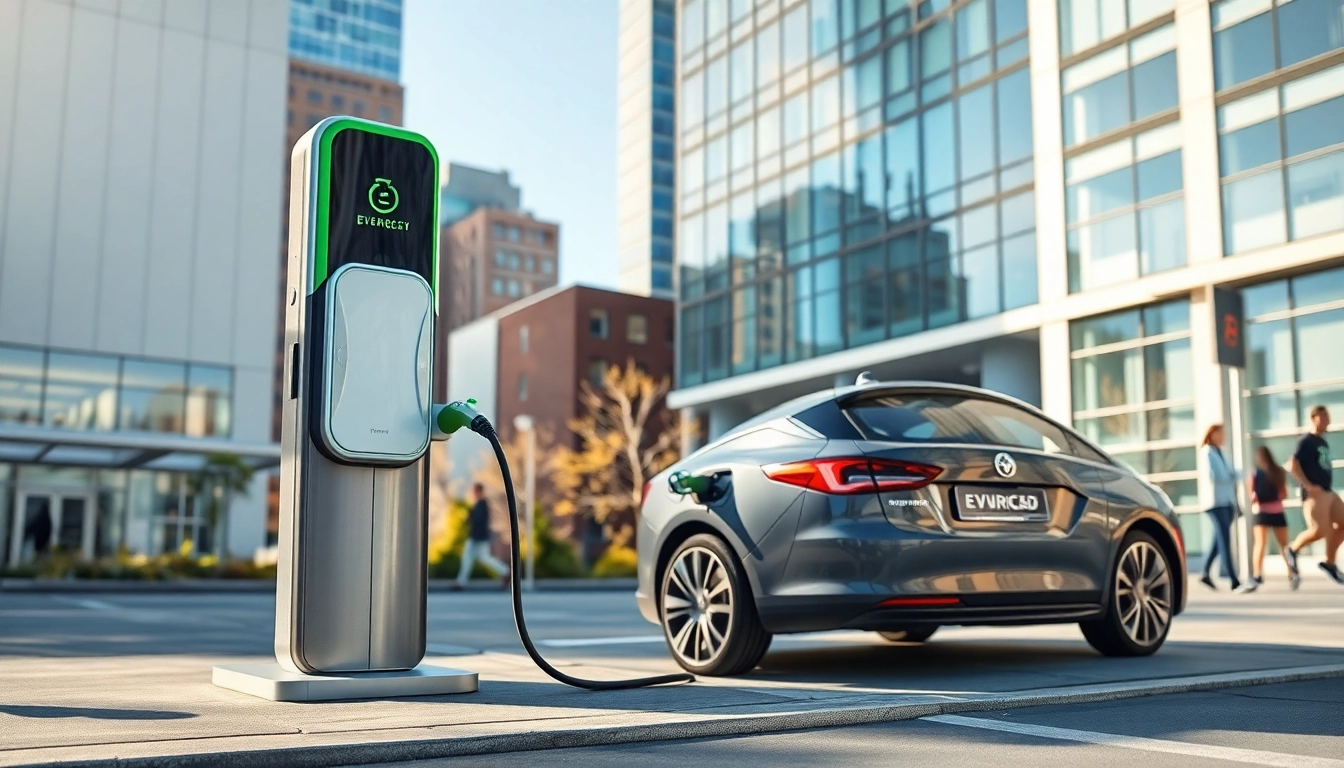
Understanding EV Charging Installation
What is EV Charging Installation?
EV Charging Installation refers to the comprehensive process of setting up electric vehicle charging stations that provide the necessary infrastructure for charging electric vehicles (EVs). This can include residential setups, commercial installations, and public charging stations. The process typically involves evaluating the site, selecting the appropriate type of charger, and ensuring compliance with electrical standards and regulations. As electric vehicles become more mainstream, the importance of a robust charging infrastructure is paramount, making efficient EV Charging Installation essential for both homeowners and businesses alike.
Types of EV Chargers
There are several types of EV chargers, each designed for different usage scenarios. Understanding these types is crucial for selecting the right charger for your needs:
- Level 1 Chargers: These chargers use a standard household outlet (120V) and are best for overnight charging at home. Typically, they add about 4-5 miles of range per hour.
- Level 2 Chargers: Operating at 240 volts, Level 2 chargers are often found in both residential and commercial settings. They can charge an EV much faster, providing about 25 miles of range per hour, making them suitable for businesses wanting to offer charging to customers.
- DC Fast Chargers: Designed for high-speed charging, DC fast chargers can recharge a vehicle to 80% in around 30 minutes. These are typically used in public charging stations along highways, catering to drivers needing quick fills during long travels.
Benefits of EV Charging Installation
Investing in EV Charging Installation comes with numerous benefits:
- Convenience: Electric vehicle owners can easily charge their vehicles overnight or while parked, ensuring they're always ready for the road.
- Environmental Impact: Charging EVs from renewable energy sources reduces carbon footprints, promoting sustainability.
- Attracting Customers: Businesses that provide charging stations can attract more customers who are EV owners, potentially increasing sales.
- Government Incentives: Many regions offer tax credits, rebates, or grants for installing EV chargers, making it more financially feasible.
Planning Your EV Charging Installation
Site Assessment for Installation
Before installation, conducting a thorough site assessment is imperative. This includes evaluating the location’s electrical capacity, proximity to electrical panels, parking layout, and accessibility for users. An efficient site assessment will help ensure that the installation meets regulatory requirements and functions effectively, ultimately enhancing user experience and safety.
Choosing the Right Charger Type
Choosing the appropriate charger type is critical to maximizing the effectiveness of your EV Charging Installation. Consider factors like the expected charge times, the types of vehicles being serviced, and the power availability at the site. For example, businesses serving frequent EV users may benefit from installing Level 2 or DC Fast Charging stations to enhance customer satisfaction.
Understanding Electrical Requirements
Before proceeding with installation, it is essential to understand the electrical requirements involved. This may include assessing existing electrical infrastructure, the need for upgrading wiring, and ensuring compliance with local codes. Collaborating with licensed electricians can ensure that installations are safely executed and compliant with regulations.
Implementing EV Charging Installation
Step-by-Step Installation Process
The installation process typically follows these steps:
- Planning: Develop a clear plan based on the project scope, site assessment, and budget constraints.
- Permitting: Obtain necessary permits and approvals from local authorities.
- Electrical Setup: Prepare the electrical infrastructure to support the installation of charging stations.
- Installation: Physically install the chargers, ensuring they are properly secured and functional.
- Testing: Test the installation to confirm correct operation and safety standards are met.
- Training and Handover: Train staff or users on how to use the chargers and maintain them.
Best Practices for Installation
To ensure a successful installation, follow these best practices:
- Engage experienced and certified install professionals.
- Ensure proper signage and user instructions are available at charging sites.
- Consider the aesthetic integration of charging stations into the environment.
- Implement user-friendly technology, such as mobile apps for seamless payment and station accessibility.
Compliance and Regulations
Compliance with local, state, and national regulations is non-negotiable. Different jurisdictions may have unique codes, especially regarding the installation of electrical components and environmental safety. Engaging a professional with knowledge of local regulations can save time and promote safety, ensuring installations meet all compliance standards.
Maintaining Your EV Charging Installation
Routine Maintenance Tips
Proper maintenance of EV charging stations ensures longevity and functionality. Regular checks should include verifying electrical connections, cleaning connectors, and testing software functionalities if applicable. Keeping maintenance logs can aid in identifying trends and scheduling proactive service before issues arise.
Signs of Maintenance Needs
Indications that maintenance is required may include:
- Inconsistent charging speeds or failures to initiate charging.
- Visible wear on plugs and cords, such as fraying or corrosion.
- Errors in the user interface or faulty displays.
- Physical damage to charging units.
Upgrading Your Charging Station
As technology progresses and electric vehicles evolve, upgrading your charging stations may become necessary to keep pace with user demand. Consider factors such as increasing charging speed capabilities, integrating new payment methods, or expanding your station to accommodate more vehicles. Regularly reviewing the technological landscape can provide insights into when upgrades are optimal.
Measuring the Success of EV Charging Installation
Key Performance Metrics
To determine the effectiveness of an EV Charging Installation, key performance metrics should be monitored. This can include:
- Charging usage rates: How frequently are the chargers being used?
- Downtime: Are chargers experiencing downtime, and if so, what are the causes?
- Revenue generated: For commercial installations, understanding revenue can clarify the financial viability of your investment.
Customer Engagement and Usage Data
Analyzing customer engagement and usage data can provide valuable insights into user preferences, peak usage times, and efficiency. This information can help in making data-driven decisions regarding upgrades, marketing strategies, and enhancements to the installations.
Improving User Experience
User feedback can play a significant role in refining EV Charging Installations. Engaging users through surveys or monitoring online reviews can reveal areas for improvement, enabling facility upgrades or increased customer support to enhance overall satisfaction.
FAQs About EV Charging Installation
1. How long does an EV charging installation take?
The timeframe for installation varies based on the setup's complexity, but a typical residential installation can take 1-2 days, while large commercial projects may require several weeks.
2. Do I need a permit for installing an EV charger?
Yes, most local regulations require permits for EV charger installations. It's crucial to check with local authorities for specific requirements in your area.
3. Can I install an EV charger myself?
While DIY installation is possible, it’s highly recommended to engage licensed professionals to ensure safety and compliance with electrical codes.
4. What electrical capacity do I need for a Level 2 charger?
A Level 2 charger typically requires a 240V electrical supply. It is essential to ensure that your home or facility has adequate electrical infrastructure to support it.
5. Are there incentives available for EV charging installations?
Yes, many regions offer incentives such as tax credits, rebates, or grants for EV charger installations. Check with local governments and utility companies for available programs.