Understanding Computer Support and Services
Definition and Importance of Computer Support
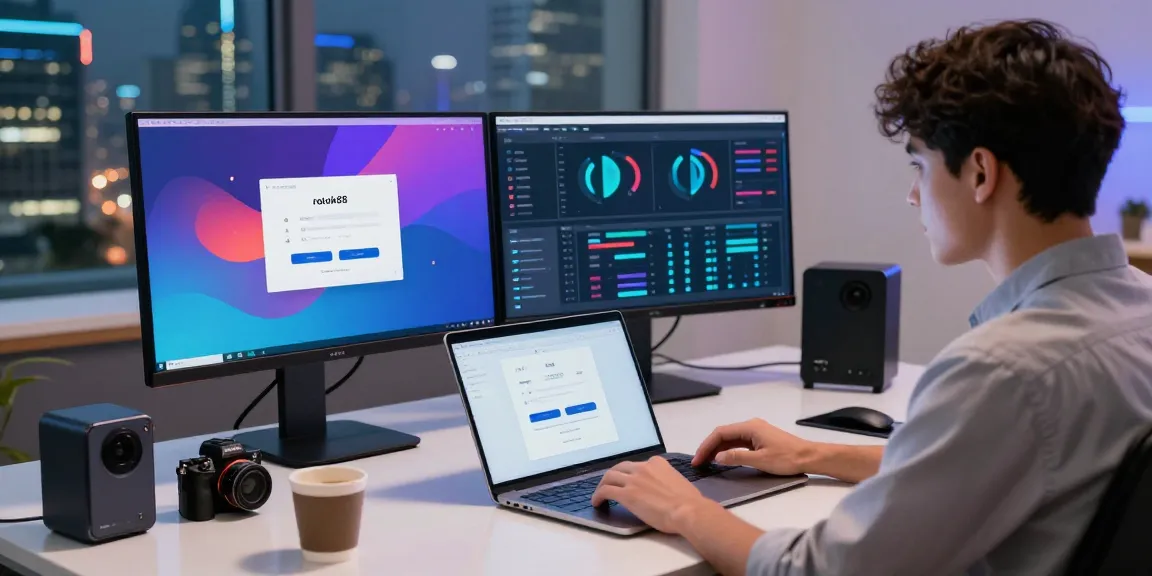
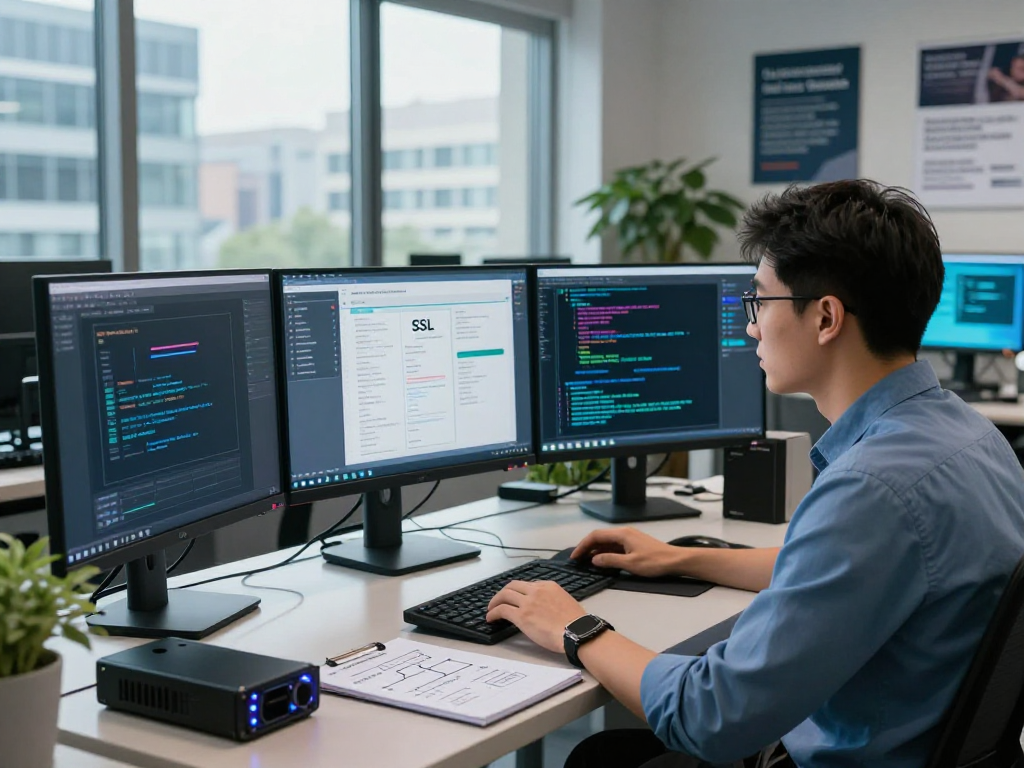
In the ever-evolving landscape of technology, the need for reliable computer support and services is paramount. Computer support encompasses a wide array of services that help individuals and organizations to maintain, troubleshoot, and optimize their computer systems. As technology continues to advance, so does the complexity of IT issues, making professional support more essential than ever. Relying on skilled technicians not only resolves immediate problems but also contributes to long-term operational efficiency.
Types of Computer Support Services Available
Computer support services come in various forms tailored to meet the unique needs of businesses and individuals alike. Typical offerings include:
- Technical Support: Help with hardware, software, and network issues via phone, chat, or in-person consultations.
- IT Consulting: Strategic guidance on technology implementations and information systems to improve business processes.
- Maintenance and Upgrades: Regular check-ups and updates to ensure systems run smoothly and securely.
- Data Recovery Services: Assistance in retrieving lost or corrupted data from various storage media.
- Network Setup and Management: Establishment and oversight of secure networks for both home and office environments.
- Cybersecurity Services: Ensuring robust protection against malware, ransomware, and potential breaches.
Common Problems Addressed in Computer Support
Several common computer issues can significantly disrupt personal and professional productivity. These include:
- Slow Computers: Performance lags can stem from hardware limitations, software issues, or insufficient RAM.
- Virus and Malware Infections: Malware can compromise security and stall productivity, necessitating thorough scans and cleaning.
- Network Connectivity Issues: Problems with internet access or connectivity can cripple these crucial business functions.
- Software Installation and Configuration: Proper installation and setup are essential for optimal performance.
- Hardware Failures: Malfunctions in components such as hard drives, motherboards, or peripherals need immediate attention.
Key Benefits of Professional Computer Support and Services
Cost-Effectiveness of Outsourcing IT Support
Many businesses find that outsourcing IT needs offers significant cost savings over hiring a full-time IT staff. By leveraging experts on an as-needed basis, organizations can reduce salary and benefit expenses. Additionally, paying only for the services required ensures that funds are allocated efficiently. Moreover, when a computer system is well-maintained, the overall productivity increases, leading to less downtime and operational disruptions.
Time-Saving Solutions for Busy Professionals
Time is a valuable commodity for businesses, and any time lost to technical issues can directly impact profitability. Professional computer support can swiftly resolve issues, allowing teams to refocus on core activities rather than troubleshooting problems themselves. With the ability to access remote assistance, support can be provided without the delays of physical travel.
Improving Efficiency with Proactive Maintenance
Preventative maintenance is a cornerstone of effective IT support. Regular updates, performance checks, and cybersecurity assessments help to identify potential issues before they become significant problems. By implementing a proactive support strategy, businesses can extend the lifespan of their systems and ensure that everything runs smoothly, leading to enhanced productivity and lower long-term costs.
How to Choose the Right Computer Support Services
Factors to Consider When Selecting a Provider
Selecting the right provider for computer support involves evaluating several key factors. First, consider the expertise and credentials of the staff. It is vital that technicians are certified and experienced in a variety of systems. Additionally, their availability and response time are critical; quick turnaround can minimize downtime during emergencies. Assessing the range of services offered is also important, ensuring that they align with specific needs.
Identifying Your Unique Support Needs
Understanding the specific requirements of your business is essential in identifying the right computer support services. Factors such as the size of your organization, the complexity of your IT infrastructure, and your industry's demands will all shape your support needs. Developing a clear list of expectations and potential challenges can aid in discussions with prospective providers, ensuring a tailored fit.
Evaluating Customer Reviews and Reputation
Reputation speaks volumes in the IT services industry. Customer reviews, case studies, and testimonials provide insight into the reliability and effectiveness of a support provider. Look for feedback concerning response times, problem-solving capabilities, and overall satisfaction. Trustworthy providers will often have numerous examples of past successes that demonstrate their competence.
Implementing Computer Support Services in Your Business
Steps to Onboard a Computer Support Provider
Onboarding a computer support provider involves several structured steps, beginning with a thorough evaluation of your business's technical landscape. After determining your needs and goals, your next step is to create a formal agreement that outlines services, response times, and expectations. Having a streamlined onboarding process will aid in smoother transitions, ensuring everyone is informed and prepared.
Integrating Support Services with Existing Systems
Integration is critical to ensuring that new support services align seamlessly with existing systems. This process may involve syncing various software applications and ensuring that documentation is cohesive. IT experts can assist in migrating data and configuring systems to maintain business continuity during transitions.
Performance Metrics to Track for Success
To gauge the effectiveness of computer support services, organizations should establish clear performance metrics. Useful indicators might include response and resolution times, client satisfaction scores, service uptime, and incidents of recurring issues. By monitoring these metrics, businesses can adapt their strategies and make informed decisions to improve their IT infrastructure continuously.
Future Trends in Computer Support and Services
Emerging Technologies Shaping IT Support
The IT support landscape is continuously shaped by emerging technologies. Innovations such as cloud computing, remote monitoring tools, and blockchain technology are becoming integral parts of computer support services. By adopting these advancements, support providers can offer enhanced capabilities, faster service, and improved security measures that align with evolving business needs.
The Role of AI in Computer Support Services
Artificial intelligence plays an increasingly prominent role in enhancing computer support services. AI-driven chatbots provide instant assistance, resolving common issues and freeing up human technicians for more complex tasks. Automated predictive analytics can foresee potential system failures, allowing proactive interventions that minimize downtime.
Anticipating Future Challenges in Tech Support
The future of computer support will certainly bring with it emerging challenges such as increasingly sophisticated cyber threats, rapid technological advancements, and heightened customer expectations. To navigate these challenges effectively, IT support providers must remain adaptable and committed to continuous professional development. Emphasizing adaptability and innovation will equip organizations to thrive in an unpredictable digital environment.