Understanding Different Types of Refrigerators
The world of refrigeration has evolved significantly, leading to the introduction of various types that cater to different needs and preferences. Understanding these various models will help you make a well-informed decision for your home. Explore the types of Refrigerator options available on the market today.
Top-Freezer Refrigerator Features
Top-freezer refrigerators are perhaps the most traditional and commonly found in many homes. They feature a freezer compartment above the refrigerator section. Here are the distinguishing features:
- Space Efficiency: Top-freezer models generally offer more storage space for frozen foods without additional costs.
- Organization: With clear shelves and ample space, these models facilitate better organization of groceries.
- More Affordable: Typically, these tend to be more budget-friendly than other refrigerator types, making them a popular choice for first-time buyers.
Moreover, these refrigerators tend to be energy efficient, contributing to lower utility bills.
Side-by-Side Refrigerator Benefits
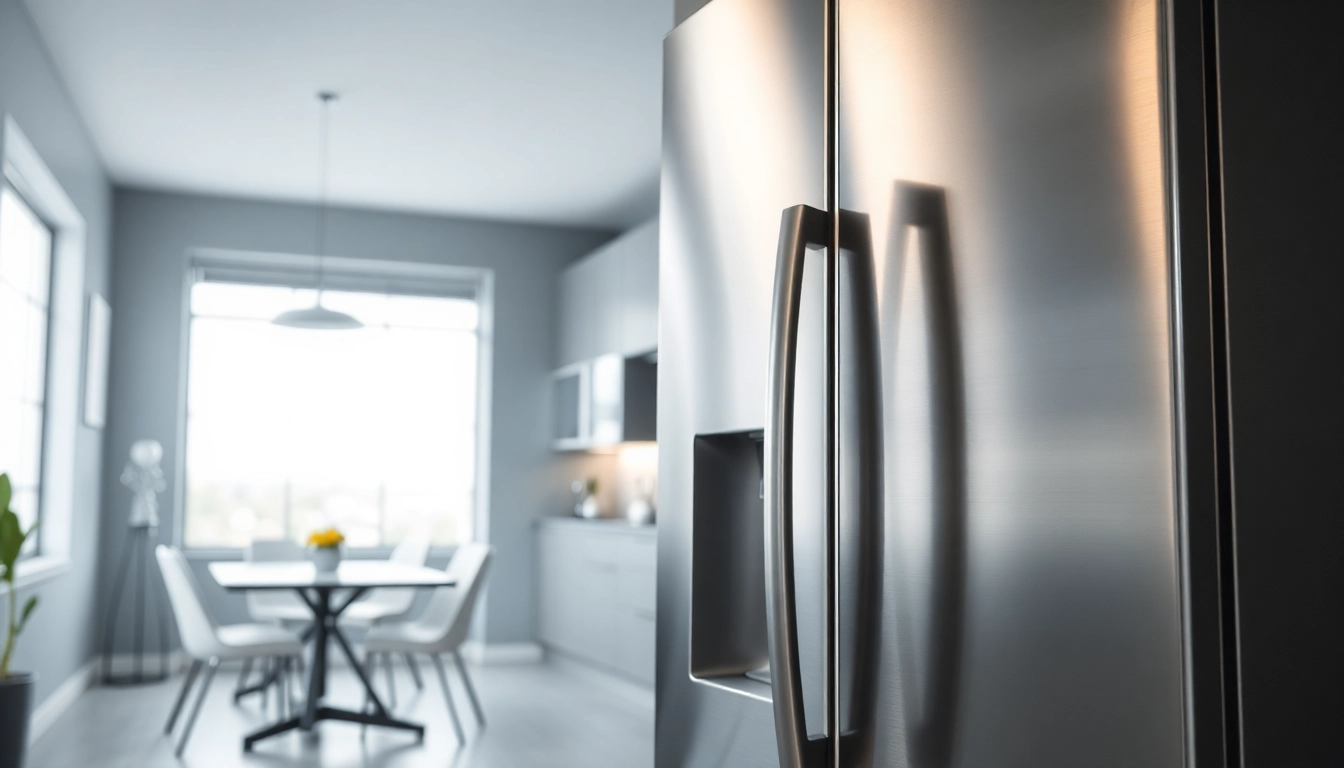
Side-by-side refrigerators have compartments that run vertically, with the freezer on one side and the refrigerator on the other. This design offers several benefits:
- Accessibility: The vertical layout provides easy access to both fresh and frozen foods, reducing bending and reaching.
- Space for Narrow Areas: Ideal for tight spaces, side-by-side models offer great storage without requiring wide-opening doors.
- Feature-Rich: Most side-by-side models come equipped with modern conveniences such as an ice and water dispenser.
However, they may offer less freezer space compared to top-freezer models, which should be considered based on your storage needs.
French Door Refrigerator Styles
French door refrigerators combine style with functionality, featuring two doors for the fridge section and a bottom freezer. Popular styles often include:
- Playful Organization: With multiple shelves and drawers, they allow for customized storage solutions.
- Sleek Aesthetics: The modern look enhances kitchen style while providing easier access to commonly used items.
- Temperature-Controlled Drawers: Many models include drawers that maintain specific temperatures for items like produce or deli meats.
Though often pricier, French door refrigerators deliver an impressive balance of style and performance.
Key Features to Consider When Buying a Refrigerator
When purchasing a new refrigerator, several crucial factors will influence your decision. Understanding these features can ensure you invest wisely and find the best fit for your household needs.
Size and Capacity of Refrigerator
Choosing the right size and capacity is critical. Not only should it fit in your kitchen space, but it also needs to accommodate your food storage needs. Here's what to consider:
- Footprint: Measure the intended space, including consideration for door clearance and ventilation.
- Capacity: Estimate the volume you'll need by considering your family's size and grocery shopping habits.
- Door Configuration: Ensure the doors can easily open without obstruction, especially in smaller kitchens.
Energy Efficiency Ratings for Refrigerators
Energy efficiency is an essential consideration impacting both the environment and your electricity bills. Look for:
- ENERGY STAR Certification: This indicates the refrigerator meets rigorous energy efficiency guidelines set by the EPA.
- Annual Energy Consumption: Check the estimated yearly cost to operate the refrigerator, comparing it to similar models.
Investing in a more energy-efficient refrigerator can lead to significant savings over its lifespan.
Advanced Technologies in Refrigerators
Modern refrigerators now come equipped with smart technologies to enhance convenience and functionality. Some noteworthy features include:
- Smart Connectivity: Many models offer Wi-Fi capabilities for remote monitoring and control via mobile apps.
- Temperature Control Sensors: These sensors maintain optimum temperatures, preserving food quality.
- No Frost Technology: Prevents ice build-up in the freezer, reducing maintenance efforts.
Keeping an eye on technological advancements ensures you choose a refrigerator that can adapt to your needs.
Maintaining Your Refrigerator for Longevity
Proper care and maintenance are vital to extending the lifespan of your refrigerator. An investment in regular upkeep can prevent costly repairs and ensure optimal performance.
Regular Cleaning and Organization
Maintaining a clean refrigerator involves both internal and external cleaning. Follow these steps:
- Internal Cleaning: Schedule monthly deep cleaning to remove spills, expired items, and mold.
- External Cleaning: Wipe down exterior surfaces weekly to maintain aesthetics and function.
- Organizational Tips: Keep frequently used items in easily accessible areas and categorize foods for convenience.
Organized refrigerators lead to efficient grocery management and less food waste.
Common Refrigerator Troubleshooting Tips
Issues with your refrigerator can occur. Here are some common troubleshooting tips:
- Not Cooling: Check the thermostat settings and ensure vents are not blocked.
- Unusual Noises: Identify the source, from fans or compressors, and determine whether tune-ups are necessary.
- Water Leaks: Inspect door seals and defrost drain for blockages.
When to Call for Refrigerator Repairs
Knowing when to seek professional help can save time and prevent further damage:
- Persistent Temperature Issues: If your refrigerator consistently maintains the wrong temperature despite adjustments.
- Unusual noises: Grinding or humming that isn't normal can indicate a motor issue.
- Leaks or dampness: Issues persisting after minor troubleshooting may require professional inspection.
Timely repairs can significantly affect the longevity and performance of your refrigerator.
Innovative Refrigerator Trends in Home Design
The evolution of refrigerators doesn't just cover technology. The design aspect has also become essential in contemporary home aesthetics. Here are a few trends to watch for:
Smart Refrigerators and Connectivity
Smart refrigerators integrate seamlessly into today's technology-driven homes, providing enhanced features such as:
- Grocery Tracking: Smart fridges can help manage inventory through built-in cameras and apps.
- Touchscreen Interfaces: Some models have touchscreens for recipes, calendars, and streaming music.
- Energy Usage Reports: Monitor and receive reports on energy consumption via mobile apps.
This technology allows you to streamline your kitchen experience while saving time and resources.
Eco-Friendly Refrigeration Solutions
With growing awareness of environmental impacts, eco-friendly refrigeration options are becoming popular. Consider:
- Natural Refrigerants: Models using hydrocarbons or other eco-friendly refrigerants reduce environmental impact.
- Recyclable Materials: Many manufacturers are focusing on sustainability by using recyclable materials in fridge construction.
- Low Power Consumption: Select models designed to be energy efficient while maintaining performance.
Stylish Refrigerator Designs for Modern Kitchens
Refrigerators are now available in a variety of designs that match personal and kitchen aesthetics:
- Custom Paneling: Many high-end models can be fitted with cabinetry panels for a seamless look.
- Bold Colors and Finishes: Choose from matte finishes or bright colors to make a statement in your kitchen.
- Retro Styles: Vintage-inspired designs are making a comeback, offering a nostalgic touch to modern kitchens.
Choosing a designer refrigerator can enhance the overall look of your kitchen while serving practical needs.
Frequently Asked Questions about Refrigerators
What size refrigerator do I need for my home?
Your refrigerator size should depend on your family size, kitchen size, and food storage requirements. A standard guideline is 4-6 cubic feet per person.
How often should I defrost my refrigerator?
If your model is not frost-free, defrosting should occur when the ice build-up reaches 1/4 inch thick. Regular checks can avoid excessive build-up.
What is the average lifespan of a refrigerator?
Typically, modern refrigerators last about 10-20 years, depending on brand, maintenance, and usage patterns. Regular upkeep can extend this lifespan.
Are there energy-efficient refrigerator models available?
Yes, many models today come with ENERGY STAR ratings, indicating enhanced energy efficiency. Always check for this certification when purchasing.
What should I do if my refrigerator is not cooling?
Check the thermostat settings, inspect door seals, and ensure vents are not blocked. If cooling issues persist, consult a professional technician.