The Importance of Selecting the Right Fly Fishing Net
When it comes to fly fishing, the right tools can significantly enhance your experience and success rate. One crucial tool that often goes overlooked is the Fly fishing net. It not only plays a vital role in landing your catch but also impacts fish conservation and the overall ethics of fishing. With a plethora of options available in terms of shape, size, and material, understanding the significance of selecting the appropriate net can make all the difference.
Why Fly Fishing Nets Matter
A fly fishing net is more than just a tool; it is an essential component in ensuring a successful and ethical fishing trip. Here are several reasons why selecting the right fly fishing net matters:
- Landing Efficiency: A well-designed net helps you land fish efficiently, minimizing their time out of water, which is critical for their survival.
- Protection for Fish: Many modern nets use rubberized mesh to reduce harm to fish scales and slime, promoting better health for released fish.
- Convenience: A lightweight net that floats makes it easy to maneuver while fishing, reducing stress on both the fisherman and the fish.
Key Features to Consider
When evaluating a fly fishing net, several features should be considered:
- Size and Shape: The right net size varies based on the fish species. Consider a larger hoop for bigger species and smaller for trout.
- Material: Common materials include wood, aluminum, and carbon fiber, each with its pros and cons concerning weight, aesthetics, and durability.
- Mesh Type: Look for a mesh that minimizes tangling and is gentle on fish, allowing easy catch and release.
The Impact on Fish Conservation
The role of fly fishing nets extends into environmental stewardship. Using the right net decreases fish mortality rates from catch and release practices:
- Reduced Injury: Nets with rubber mesh significantly reduce hook pulls and gill injuries, promoting fish conservation.
- Shorter Landing Times: Effective nets maximize the likelihood of releasing fish back into their habitat quickly, increasing their chances of survival.
Types of Fly Fishing Nets Available
Understanding the various types of fly fishing nets can empower anglers to choose wisely based on their fishing style and target species.
Different Net Shapes and Sizes
Fly fishing nets come in several shapes and sizes, each designed for specific fishing conditions:
- Hoop Size: Nets can range from small (8-15 inches) for trout, to larger nets (20+ inches) for species like salmon or steelhead.
- Handle Length: Depending on whether you're fishing from the shore or a boat, choose a long handle for reach or a short handle for easy control.
Material Selection: Wood vs. Carbon Fiber
The debate over material selection often boils down to personal preference:
- Wood: Aesthetically pleasing and traditional, wooden nets provide sturdiness but can be heavier and require more maintenance.
- Carbon Fiber: Lightweight, durable, and corrosion-resistant, carbon fiber nets are popular among modern anglers.
Choosing the Right Mesh Type
The mesh type plays a crucial role in safe fish handling:
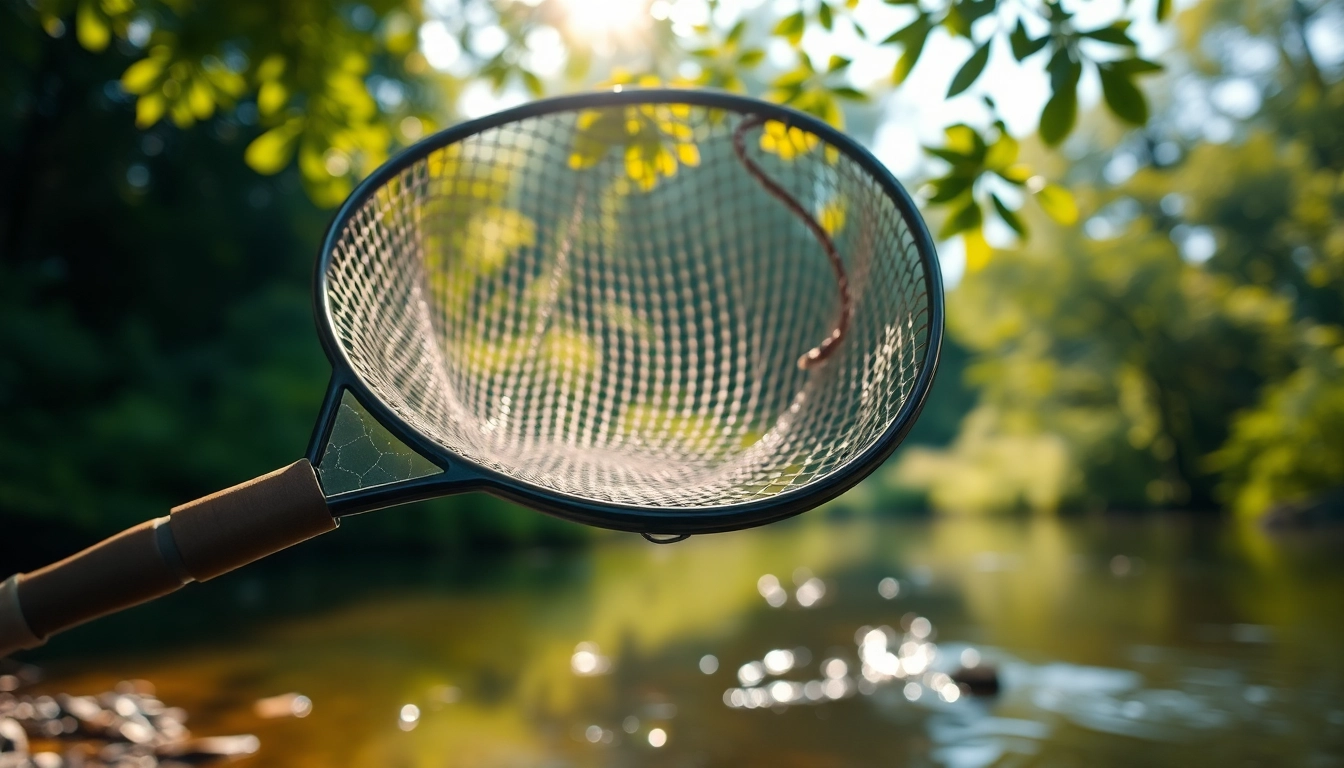
- Rubberized Mesh: These nets are gentler on fish skins and reduce drag, making them an excellent choice for catch-and-release.
- Nylon Mesh: While durable, this type may cause more harm to fish. Ensure it has a fine mesh to reduce these impacts.
How to Use a Fly Fishing Net Effectively
Using a fly fishing net is an art that requires practice and technique. Here are tips on how to make the most of your net during fishing:
Best Practices for Landing Fish
Landing a fish gracefully can enhance the experience:
- Approach Slow: When a fish is near, approach slowly and quietly to avoid spooking it.
- Angle the Net: Angle the net downstream to scoop the fish gently and avoid tangling.
Techniques for Safe Catch and Release
Practicing catch and release is crucial for sustainability:
- Minimize Handling Time: Keep the fish in the water while you ready your net to reduce stress.
- Wet Your Hands: Always wet your hands before handling fish to protect their slime coating.
Maintaining Your Fly Fishing Net
Proper maintenance prolongs the life of your net:
- Rinse After Use: Always rinse your net in fresh water after a fishing trip to remove debris and prevent corrosion.
- Store Dry: Store your net in a dry place to avoid mold and degradation of materials.
Popular Brands and Recommendations
Exploring quality products ensures a better fishing experience. Here, we discuss how to evaluate and select fly fishing nets based on personal needs and budgets.
Researching Quality Fly Fishing Nets
Understand what makes a fly fishing net excellent:
- Materials and Build Quality: Look for durable materials crafted for resistance against wear and tear.
- Customer Reviews: Read feedback to assess reliability and performance over time, giving insight into longevity.
Budget-Friendly Options
Quality needn’t break the bank:
- Look for Sales: Many retailers offer discounts periodically, making quality nets more accessible.
- Consider Entry-Level Nets: Many brands offer more basic models that don't compromise on essential features.
Custom-Made Fly Fishing Nets
If you desire something unique:
- Custom Size and Design: Tailoring your net allows for personal specifications regarding size and design.
- Local Artisans: Supporting local craftsmen adds a unique flavor to your fishing tackle collection.
Frequently Asked Questions About Fly Fishing Nets
What size net is best for fly fishing?
For smaller fish like trout, a net size of 8-15 inches is suitable, while larger species may require nets measuring over 20 inches.
Why do fly fishermen use nets?
Nets help reduce the time fish spend out of water, increasing their survival rate post-catch, especially during catch-and-release practices.
How to clean and maintain my fly fishing net?
Rinse your net in fresh water after each use and ensure it’s dry before storage to prevent rust and mold.
What type of mesh is best for fish care?
Rubberized mesh is highly recommended, as it minimizes harm to the fish's protective slime and is less likely to tangle.
Can I use a fly fishing net for other types of fishing?
While primarily designed for fly fishing, many nets can be adapted for other fishing styles, but consider the specifics of the catches.