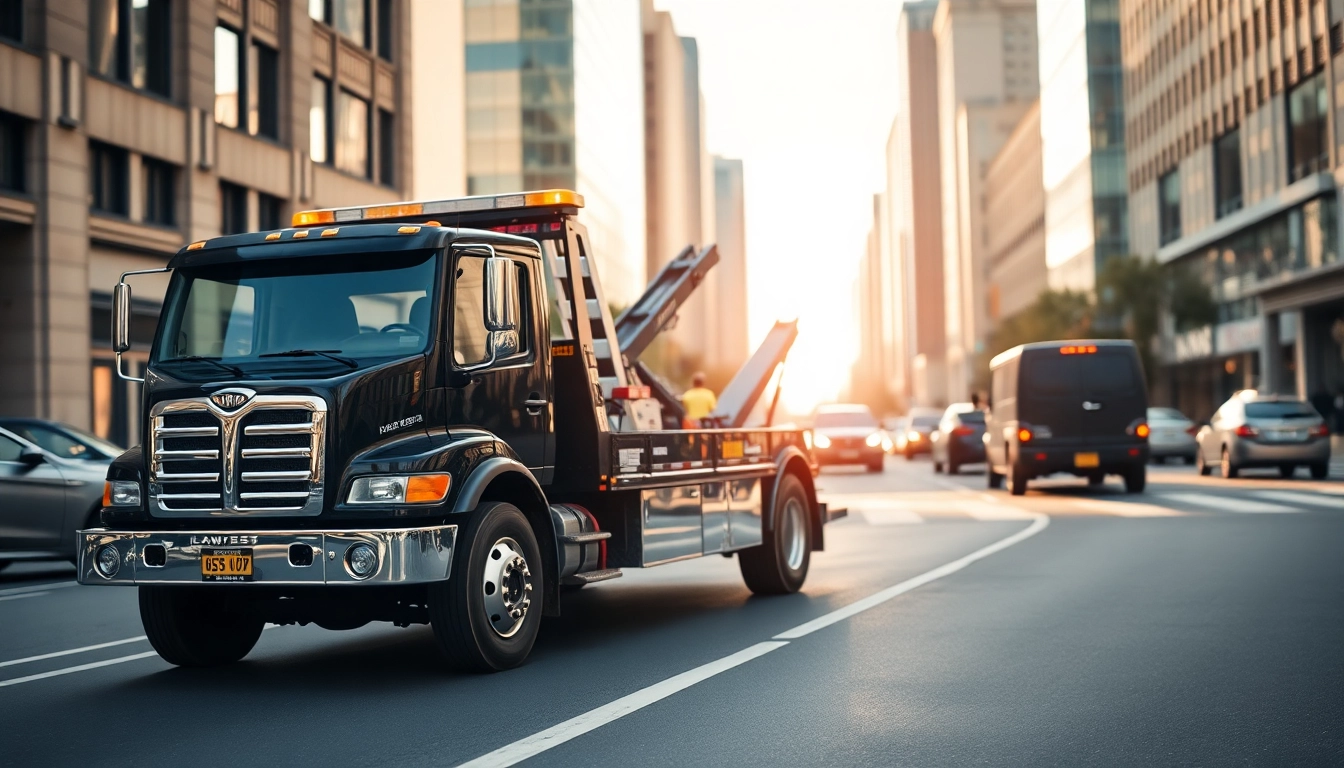
Understanding Enclosed Auto Transport
Definition and Benefits of Enclosed Auto Transport
Enclosed auto transport is a specialized service designed to transport vehicles in fully covered trailers, protecting them from external elements such as weather, debris, and potential damage during transit. This method is particularly appealing to owners of luxury, classic, or high-value vehicles who are keen on ensuring that their investments remain in pristine condition throughout the transportation process. By utilizing enclosed auto transport, vehicle owners can benefit from enhanced protection against scratches, dings, and other incidental damages that might occur with open transport methods.
The advantages of choosing enclosed auto transport go beyond just damage prevention. This service often features climate-controlled environments, making it ideal for transporting sensitive vehicles that could suffer from extremes in temperature. Additionally, many enclosed transport providers offer additional security measures, reducing the risk of theft or vandalism during the transport process. For those who consider their vehicle a piece of art rather than just a means of transportation, the benefits of enclosed auto transport are manifold, ensuring peace of mind from pickup to delivery.
How Enclosed Auto Transport Works
The effectiveness of enclosed auto transport stems from its systematic approach. Initially, the process begins with a consultation where the transport provider assesses the specific needs of the vehicle owner. They gather information regarding the type of vehicle, its condition, and any special considerations needed during transport.
Once the arrangements are made, the vehicle is picked up and loaded into the enclosed trailer. Depending on the provider, several methods may be used to secure the vehicle, including wheel straps, tie-downs, and blocks to prevent movement during transit. The trailers themselves are designed to be robust and secure, often featuring features such as ventilation systems and shock-absorbing technologies.
Throughout the journey, the transport providers utilize GPS tracking systems that allow owners to monitor the status of their vehicle in real-time. This enhanced visibility and communication can significantly alleviate concerns for vehicle owners while their prized possessions are en route to their destination.
Common Use Cases for Enclosed Auto Transport
Enclosed auto transport services are commonly used for various scenarios. These include:
- Luxury and Exotic Vehicle Transportation: Owners of high-end cars frequently opt for enclosed transport to preserve their investment during long hauls or cross-country relocations.
- Classic Car Shows: Enthusiasts often use enclosed transport to ensure their vintage automobiles arrive safely, showcasing them in pristine condition at car shows or events.
- Relocation: Individuals relocating to new cities often choose enclosed transport for their vehicles, ensuring they arrive at their new home undamaged.
- Motorcycle and ATV Transport: Enclosed trailers are also ideal for valuable motorcycles and ATVs, protecting them from the elements and road debris.
Key Features of Quality Enclosed Auto Transport Services
Types of Enclosed Trailers
There are generally two types of enclosed trailers used in auto transport: standard and custom-built trailers. Standard enclosed trailers are typically manufactured with basic structures that offer adequate protection and storage for most vehicles. In contrast, custom-built trailers are designed specifically for high-end or specialized vehicles, incorporating features like reinforced frames and advanced securement systems.
Several features to look for in quality enclosed trailers include:
- Climate Control: Regulated temperature settings can safeguard sensitive vehicles from extreme weather.
- Tie-Down Systems: Efficient tie-down systems ensure the vehicle remains immobile, preventing damage during transportation.
- Access Doors: Multiple access points can ease the loading and unloading processes, especially for low-profile vehicles.
- Ventilation Systems: Preventing humidity build-up inside the trailer is crucial for long-distance travels.
Safety Measures and Insurance Options
Implementing safety measures is critical in maintaining the integrity of vehicles during transport. Most reputable auto transport services adhere to strict safety protocols to protect the vehicles under their care. These safety measures might include:
- Regular Maintenance: Ensuring that trailers are regularly maintained and inspected before use.
- Secure Loading Procedures: Trained personnel should employ safe practices during loading and unloading.
- Onboard Safety Equipment: The presence of safety gear such as fire extinguishers and first-aid kits.
Moreover, vehicle owners should inquire about insurance coverage options included in the transport service. This typically involves:
- Liability Insurance: Covers damages during transport caused by driver negligence or unforeseen incidents.
- Full Coverage: Offers reimbursement for vehicle value in case of loss or total damage.
Equipment and Technology in Modern Transport
The auto transport industry has evolved to include advanced technologies to enhance the transportation experience. Features and equipment that modern transport services should offer include:
- GPS Tracking: Real-time tracking allows vehicle owners to monitor their vehicle’s transit status throughout the journey.
- Online Booking Systems: User-friendly platforms for easy booking and arrangement of transport services.
- Automated Notifications: Alert systems that inform customers of the vehicle’s status, any delays, or arrival times.
Comparing Enclosed Auto Transport Options
Cost Factors Affecting Enclosed Auto Transport
The cost of enclosed auto transport can vary based on a myriad of factors, including:
- Distance: Longer distances naturally involve higher costs due to fuel consumption and driver scheduling.
- Vehicle Size and Weight: Larger or heavier vehicles may incur additional fees given the extra resources required for safe transport.
- Seasonal Demand: Prices may fluctuate depending on the season or market demand; peak travel periods could lead to increased rates.
- Insurance Coverage: Opting for additional or specialized insurance coverage can impact the overall price.
Service Standard Variations Among Providers
Variations in service standards mean some providers offer superior quality over others. When assessing different enclosed auto transport services, consider the following:
- Customer Service: Evaluate responsiveness and support during booking and the transport process.
- Experience and Reputation: Research how long the company has been in business and their track record with clients.
- Fleet Quality: Assess the quality and condition of the transport vehicles employed by the company.
Customer Reviews and Testimonials Impact
Customer feedback plays a crucial role in selecting an enclosed auto transport service. Reading reviews and testimonials can provide insight into:
- Reliability: Past customers’ experiences can highlight whether the service is dependable.
- Quality of Transport: Reviews often discuss the condition of the vehicle upon arrival.
- Professionalism: Feedback can reveal how transport teams interact with clients and ensure customer satisfaction.
Preparing Your Vehicle for Enclosed Auto Transport
Inspection Checklist Before Transport
Preparing your vehicle for transport is essential to ensure everything goes smoothly. An inspection checklist might include:
- Exterior Condition: Take note of all scratches, dents, and paint condition. Document this with photos.
- Fluid Levels: Ensure all fluid levels (oil, coolant, etc.) are adequate to avoid potential issues during transportation.
- Tire Condition: Check tire pressure and overall condition to ensure safe loading and transport.
- Personal Items: Remove all personal possessions from the vehicle to prevent loss or theft.
Documentation and Insurance Preparation
Securing all necessary documentation before transport can ease the process significantly. Be sure to prepare:
- Vehicle Title and Registration: Ensure all paperwork is up to date and available for transport personnel.
- Insurance Policy Details: Have information regarding your personal insurance coverage and the coverage provided by the transport company.
- Inspection Report: It may be wise to create an inspection report noting vehicle conditions for both the owner and transport service.
Tips for Loading and Unloading Your Vehicle
Proper procedures for loading and unloading can significantly impact your vehicle’s transport experience. Consider these tips:
- Arrive Early: Get to the loading point early to ensure that everything can be handled properly without rushing.
- Stay Informed: Communicate with transport personnel to ensure that everyone is on the same page before the process begins.
- Follow Instructions: Transport teams often have specific methods for loading/unloading; following their guidance helps avoid damage.
Best Practices for Choosing an Enclosed Auto Transport Provider
Evaluating Credentials and Experience
When selecting an enclosed auto transport provider, it’s essential to evaluate their credentials effectively. Look for:
- Licensing and Insurance: Confirm the provider holds the necessary licenses and insurance to operate legally.
- Industry Certifications: Credentials from recognized associations indicate a commitment to quality and service.
- Years in Business: Longevity in the industry is often a sign of reliability and professionalism.
Asking the Right Questions Before Booking
Asking targeted questions can help clarify vital service details, including:
- What type of trailers do you use? Understanding the type of equipment helps gauge the provider's capability.
- What insurance coverage do you provide? Knowing what's covered can help with risk management.
- What are the estimated transit times? Get an accurate time frame for delivery to set appropriate expectations.
- How do you handle unforeseen circumstances? Understanding their contingency measures can indicate how they handle challenges.
Finalizing Arrangements and Ensuring a Smooth Experience
Once you've selected a provider, finalizing arrangements can help ensure a smooth transportation experience. Here are some steps:
- Review Terms and Conditions: Always read the fine print to understand your rights and responsibilities fully.
- Confirm Pickup and Delivery Details: Clarify locations and times to mitigate any potential confusion.
- Stay Communicative: Maintain contact with the driver and the transport company before, during, and after the transportation for updates and peace of mind.
By following these best practices and being proactive, vehicle owners can navigate the enclosed auto transport process with ease, ensuring their vehicles are well-cared for from start to finish.