When it comes to securing your home, ordinary security cameras may not be sufficient if your property is exposed to harsh weather conditions. From torrential rains to freezing snow and extreme heat, weather can significantly impact the performance of surveillance systems. That’s why selecting the Best Home Security Cameras for bad weather conditions is crucial. In this comprehensive guide, we dive deep into the features, technology, and reliability factors that make certain cameras stand out in adverse environments.
Why Weather-Resistant Home Security Cameras Matter
Outdoor security cameras face a constant barrage of environmental stress. Rain, snow, wind, humidity, and fluctuating temperatures can degrade camera performance over time. Standard cameras may fail to record clear footage or, worse, stop functioning entirely during harsh weather events. Choosing the best home security cameras for bad weather conditions ensures that your surveillance system remains operational regardless of the elements.
Weather-resistant cameras are designed with materials, seals, and housings that protect sensitive components from water intrusion, dust, and extreme temperatures. Additionally, these cameras often include features such as advanced night vision, anti-glare lenses, and reinforced mounting hardware, all of which enhance reliability in unpredictable conditions. Investing in a weatherproof camera system is not just a matter of convenience—it’s a critical step in ensuring continuous home security.
Key Features to Look for in Weather-Resistant Cameras
Selecting the best home security cameras for harsh weather requires a careful evaluation of their specifications and durability. Several key features distinguish cameras capable of thriving in challenging conditions.
IP Ratings and Waterproof Standards
The first consideration is the camera’s IP (Ingress Protection) rating. IP ratings indicate the level of protection against dust and water. For outdoor use, a camera with at least an IP65 rating is recommended, as it ensures full protection against dust and protection against water jets from any direction. Higher ratings, such as IP66 or IP67, provide even more robust protection, allowing cameras to withstand heavy rain, snow, and even temporary submersion in water.
Temperature Resistance
Extreme heat and cold can cause electronics to fail or batteries to drain rapidly. Look for cameras that specify an operating temperature range suitable for your region. Many high-quality weather-resistant cameras can operate from -4°F to 140°F (-20°C to 60°C), ensuring reliable performance in both winter snowstorms and scorching summer heat.
Durable Materials and Construction
The casing of a camera significantly affects its longevity in bad weather. Metal housings, polycarbonate shells, and reinforced lenses resist corrosion, cracking, and impact damage from wind-blown debris or hail. Cameras with robust enclosures not only protect internal components but also deter vandalism, making them ideal for exposed outdoor locations.
Night Vision and Low-Light Performance
Bad weather often comes with poor visibility. Rain, fog, or snow can obscure traditional cameras, rendering them ineffective. The best home security cameras for bad weather conditions incorporate advanced infrared night vision or low-light sensors to maintain clear image quality under all lighting and weather conditions. Some models feature smart IR technology, which automatically adjusts brightness to reduce glare from reflective surfaces such as wet roads or icy surfaces.
Motion Detection and Smart Alerts
Even with weatherproofing, continuous recording can be energy-intensive and may fill storage quickly. Cameras with intelligent motion detection filter out irrelevant movements, such as falling leaves or passing cars, and focus on significant activity. Combined with mobile alerts, this feature ensures you stay informed in real time, even during severe weather events.
Power Options and Connectivity
Reliable operation requires stable power and connectivity. Some outdoor cameras rely on wired connections, which are generally more stable, while wireless models offer easier installation but must be capable of withstanding temperature extremes without losing signal. Battery-powered models should have long-lasting, cold-resistant batteries or options for solar charging to maintain uptime during extended bad weather.
Top Types of Weather-Resistant Cameras
Understanding the types of cameras available can help homeowners select the best home security cameras for their unique environmental needs.
Bullet Cameras
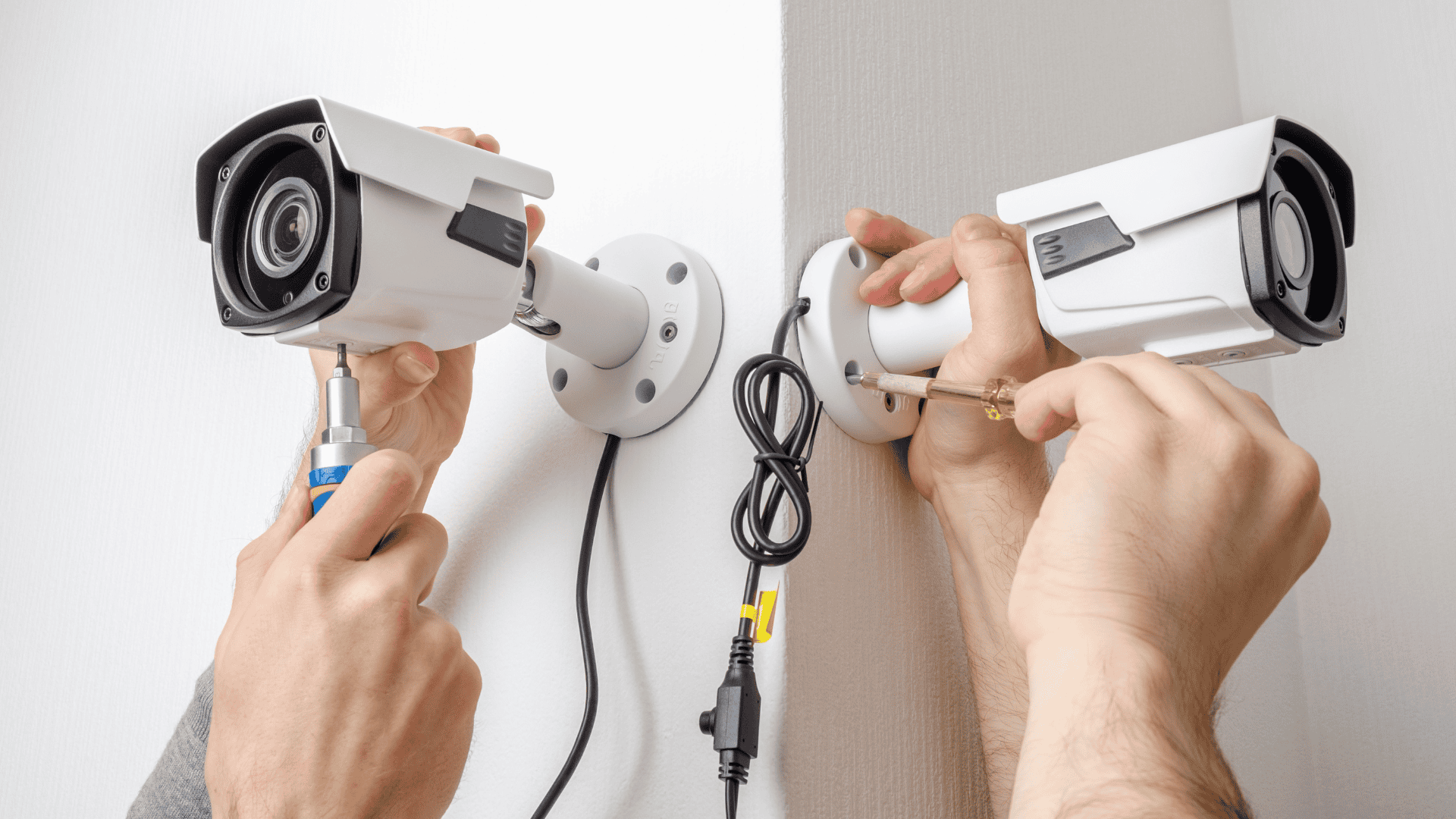
Bullet cameras are long, cylindrical devices often mounted on walls or ceilings. Their design allows for precise focus on specific areas, and they are typically weatherproof by default. Bullet cameras are ideal for monitoring driveways, entrances, or perimeters exposed to direct rain and snow. Many models come with built-in IR illumination, making them suitable for nighttime surveillance in any weather condition.
Dome Cameras
Dome cameras feature a rounded design that protects the lens from environmental hazards and tampering. The compact, vandal-resistant structure makes them excellent for areas prone to harsh weather and human interference. They provide wide-angle coverage, making them a great choice for monitoring patios, gardens, or garage exteriors.
PTZ Cameras
Pan-tilt-zoom (PTZ) cameras offer dynamic monitoring capabilities, allowing users to remotely rotate, tilt, and zoom in on specific areas. PTZ cameras designed for outdoor use combine weatherproofing with advanced optics, making them perfect for larger properties requiring versatile, all-weather surveillance.
Wireless Cameras
Wireless cameras simplify installation and allow flexible placement in hard-to-wire areas. Weather-resistant wireless cameras are increasingly reliable, featuring robust housing, long-range connectivity, and extended battery life to survive extreme temperatures and precipitation.
Installation Considerations for Harsh Weather Environments
Even the best home security cameras can fail if installed improperly. Proper installation ensures maximum protection against environmental hazards and reduces the risk of downtime.
Optimal Mounting Locations
Choose locations that minimize direct exposure to wind-driven rain or heavy snow accumulation. Overhangs, eaves, or covered areas provide extra protection while maintaining a clear line of sight. Avoid placing cameras where glare from reflective surfaces may interfere with image clarity during wet or snowy conditions.
Secure Mounting Hardware
High winds and storms can dislodge cameras if mounting is inadequate. Use heavy-duty brackets, anchors, and screws designed for outdoor use. Reinforce all mounts, and consider anti-vibration measures to prevent motion blur in windy conditions.
Cable Protection
For wired cameras, ensure all cables are protected using conduits or weatherproof sheathing. Exposure to moisture or freezing temperatures can degrade wires, leading to intermittent operation or failure.
Regular Maintenance
Weather-resistant cameras require periodic inspection. Clean lenses to remove dirt, rain streaks, or snow accumulation. Check seals, mounts, and enclosures for damage and replace worn parts promptly. Even the best home security cameras perform optimally only with routine maintenance.
Advanced Technologies in Weather-Resistant Cameras
Modern surveillance technology enhances reliability in harsh weather conditions.
AI-Powered Motion Detection
Artificial intelligence algorithms can distinguish between human movement, animals, and environmental disturbances such as rain or falling branches. AI-powered detection reduces false alerts and ensures critical events are captured accurately.
Cloud Storage and Backup
Cameras with cloud integration ensure that footage is safely stored offsite. In the event of camera damage from storms or tampering, video remains accessible. Many cloud systems also offer encrypted storage, adding an extra layer of security for homeowners.
Edge Computing
Some advanced cameras process video data locally on the device, reducing the reliance on cloud servers and internet connectivity. This feature is particularly useful in remote locations where weather may disrupt network connections.
Recommended Practices for Maximum Reliability
Even with high-quality cameras, proactive measures enhance performance and longevity.
Use Surge Protection
Lightning and electrical storms pose a serious risk to outdoor electronics. Install surge protectors or lightning arrestors to prevent damage to camera systems during storms.
Combine Multiple Camera Types
A layered security approach using bullet, dome, and PTZ cameras ensures comprehensive coverage in all conditions. Each type complements the others, providing both wide-area monitoring and detailed zoomed-in footage.
Seasonal Adjustments
Adjust camera angles or add protective covers based on seasonal changes. For example, in snowy regions, angle cameras downward slightly to prevent snow accumulation from obstructing the lens.
Conclusion
Selecting the best home security cameras for bad weather conditions is an essential investment in home safety. By focusing on weatherproofing, durable construction, advanced night vision, and intelligent features, homeowners can ensure continuous protection regardless of rain, snow, or extreme temperatures. Proper installation, maintenance, and strategic placement further enhance reliability. With careful consideration of these factors, you can secure your property with confidence, knowing your surveillance system will perform even in the harshest environments. You can find more details on our homepage.
Frequently Asked Questions (FAQs)
What makes a security camera weather-resistant?
A weather-resistant camera is designed with protective housings, seals, and materials that shield sensitive components from rain, snow, dust, and extreme temperatures. IP ratings indicate the level of protection.
Can all outdoor cameras withstand snow and ice?
Not all outdoor cameras are suitable for extreme cold. Only cameras with appropriate temperature ratings and weatherproof enclosures can reliably operate in snowy and icy conditions.
Are wireless cameras reliable in bad weather?
Modern wireless cameras are increasingly robust, but they must feature weatherproof housing, long-range connectivity, and cold-resistant batteries to ensure uninterrupted performance during storms and extreme temperatures.
How often should I maintain my outdoor security cameras?
Regular maintenance is recommended at least twice a year, or more frequently in harsh climates. Clean lenses, check seals, inspect mounts, and remove snow or debris to maintain optimal performance.
Is cloud storage necessary for weather-resistant cameras?
While not strictly necessary, cloud storage provides a secure backup for footage in case cameras are damaged by storms or tampered with. It ensures you can access critical video even if local devices fail.