Understanding Acrylic Paint
Basics of Acrylic Paint Composition
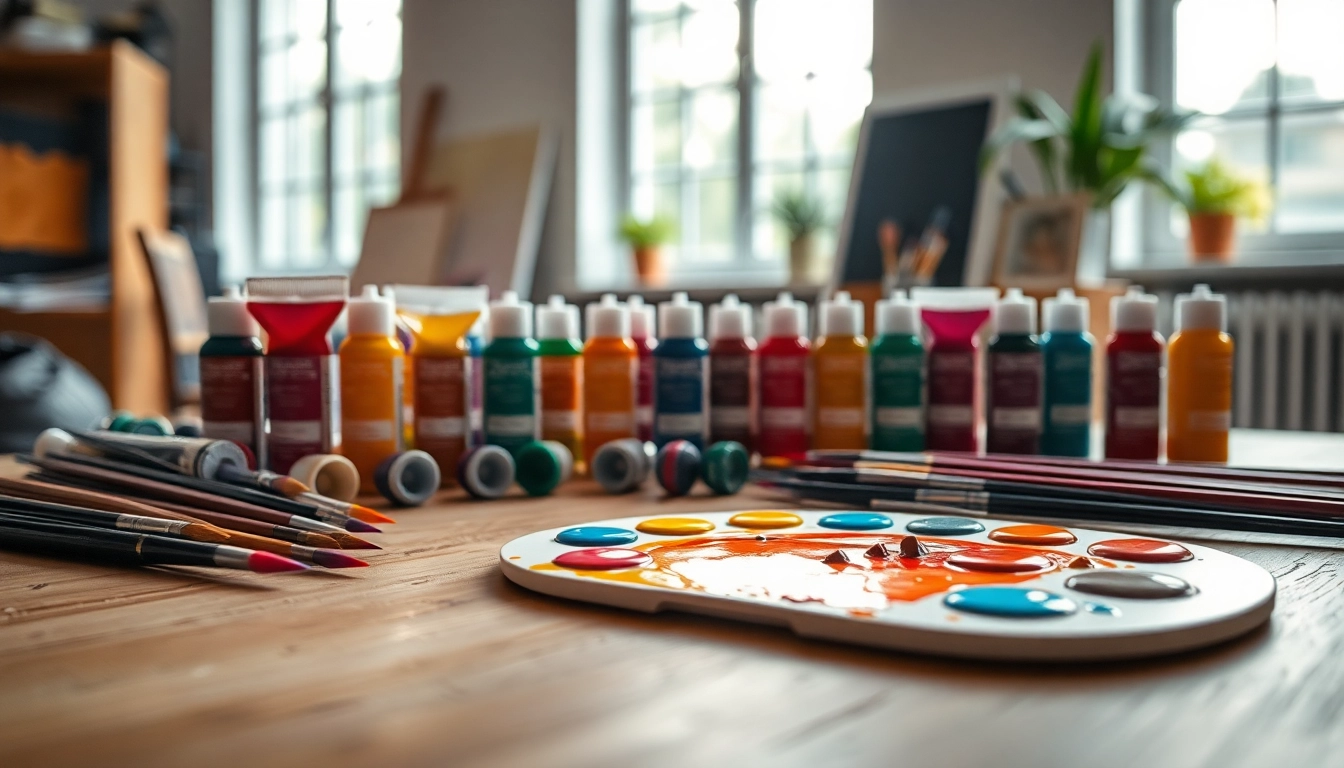
Acrylic paint, a versatile medium widely embraced by artists and crafters, is made from a combination of pigments suspended in a polymer emulsion. The base consists of synthetic resins, providing excellent durability and adhesion properties. These paints are water-soluble when wet, but become water-resistant once dry. This unique composition allows acrylics to mimic both the appearance of oil paints and the laydown of watercolors, making them a popular choice for various artistic applications.
Benefits of Using Acrylic Paint
Acrylic paints offer several advantages that appeal to artists of all skill levels:
- Fast Drying Time: Unlike oils, acrylics dry quickly, allowing for faster layering and less waiting time between applications.
- Versatility: They can be used on multiple surfaces, including canvas, paper, wood, and even fabric, adapting to the artist’s creative vision.
- Vivid Colors: Acrylics maintain their vibrancy over time and can be easily mixed to create a wide range of shades and tones.
- Non-Toxic: Most acrylic paints are non-toxic and water-based, making them safer for home use and for young artists.
- Flexibility: Once dry, acrylics are flexible, which makes the finished artwork more resistant to cracking or fading.
Common Acrylic Paint Types
Artists can choose from various types of acrylic paints, each catering to different techniques and preferences:
- Student-Grade Acrylics: These are affordable options ideal for beginners and students. Though they may have lower pigment concentrations and less vibrancy, they are excellent for practice.
- Professional-Grade Acrylics: With a higher pigment load and better color retention, professional-grade acrylics are favored by experienced artists seeking superior results.
- Heavy Body Acrylics: Thick and creamy, these paints hold their shape well, making them perfect for impasto techniques.
- Fluid Acrylics: These have a thinner consistency, offering excellent flow for glazing and detail work without sacrificing color quality.
- Acrylic Gouache: A mixture of gouache and acrylic, this type provides matte finishes with high opacity, ideal for flat color applications.
Essential Tools for Acrylic Painting
Brush Varieties and Their Uses
The type of brush you use can greatly influence the outcome of your painting. Here are various brush types that should be part of your toolkit:
- Flat Brushes: Ideal for bold strokes and filling large areas, flat brushes provide straight edges for sharp lines.
- Round Brushes: Great for detailed work, round brushes come in various sizes and are perfect for finer lines and intricate designs.
- Filbert Brushes: Combining the qualities of both flat and round brushes, filbert brushes are excellent for blending and creating soft edges.
- Fan Brushes: These brushes are used for texturing effects, creating foliage, or adding unique patterns.
- Detail Brushes: If precision is your priority, detail brushes are essential for adding intricate designs and minute details.
Choosing the Right Canvas
Selecting the correct canvas is vital to your acrylic painting success. The primary canvas types include:
- Stretched Canvas: A popular choice, stretched canvases are pre-stretched over wooden frames and can be easily hung or displayed.
- Cotton Canvas: An economical option, cotton canvases are versatile and suitable for beginners and students.
- Linen Canvas: Though more expensive, linen canvases provide superior durability and texture for professional artists.
- Canvas Boards: This rigid option is ideal for sketching and portability, making it suitable for plein air painting.
- Acrylic Paper: Specifically designed for acrylics, this heavy-weight paper absorbs paint well, allowing for smooth application.
Palette Options and Techniques
Your painting palette can influence your workflow and color mixing. Consider a few different types of palettes for your acrylic paint:
- Paper Palette: Cost-effective and disposable, these palettes are useful for quick sketches and practice.
- Plastic Palette: These durable palettes are easy to clean and can be reused multiple times.
- Glass Palette: Ideal for maintaining moisture in paints and easy cleanup, glass palettes allow for precise mixing.
- Wooden Palette: Traditional and sturdy, wooden palettes provide a natural feel but may absorb some paint.
Acrylic Painting Techniques
Blending and Layering Techniques
Understanding blending and layering can elevate your acrylic painting skills:
- Wet-on-Wet Blending: By applying wet paint onto wet areas, you can create smooth transitions and gradations of color.
- Glazing Layers: A technique that involves applying thin, transparent layers of color over dried paint to achieve depth and luminosity.
- Scumbling: By using a dry brush, you can apply a thin layer of paint over dried paint, allowing the underlying texture to show through.
Texturing with Acrylics
Texture can add interest to your acrylic paintings. Popular texturing techniques include:
- Using Paint Mediums: Incorporate gels and pastes to create dimensional effects directly in your paint.
- Sponges and Rags: These tools can create unique textures by dabbing or rubbing paint onto surfaces.
- Palette Knives: Ideal for impasto techniques, palette knives allow you to create thick, textured strokes and patterns.
Drying and Finishing Techniques
Once your artwork is complete, ensuring proper drying and finishing is crucial:
- Fast Drying: Utilize a hair dryer on a low setting to speed up drying without disturbing the paint.
- Sealants: Apply a varnish or sealer to protect your work and enhance the visual quality once the painting is dry.
Common Challenges in Acrylic Painting
Dealing with Sticky Paint
One of the most frequent challenges acrylic painters face is sticky or tacky paint. This issue can stem from several factors, including:
- Using Excess Water: Adding too much water can compromise the integrity of the paint, leading to a tacky finish.
- Humidity: High humidity levels can slow down drying times, causing paint to remain tacky.
- Improper Mixing: Ensure thorough mixing of colors, as poor blending can lead to uneven drying.
Fixing Dried Paint Mistakes
Even the most experienced artists make mistakes. Here’s how to address dried paint errors:
- Layering Over Mistakes: Use opaque colors to paint over errors, allowing the previous colors to act as a base.
- Scraping Off Mistakes: Gently scrape dried paint to correct errors without damaging the canvas.
- Incorporating Mistakes: Embrace imperfections by integrating them into your artwork, creating unique elements in your composition.
Sustainability and Acrylic Supplies
As environmental concerns grow, artists can consider sustainable practices with acrylics:
- Choosing Eco-Friendly Products: Look for brands that offer non-toxic and sustainable acrylic paints and mediums.
- Proper Disposal: Ensure safe disposal of leftover paints and materials to minimize environmental impact.
- Using Recyclable Tools: Favor palettes and brushes made from recycled materials whenever possible.
Advanced Acrylic Techniques
Mixed Media Projects with Acrylics
Acrylic paints pair well with various materials in mixed media projects, allowing for creativity and experimentation:
- Collage Elements: Incorporate paper, fabric, or other materials to create layered effects.
- Embedding Objects: Use acrylic mediums to embed small objects, such as beads or natural materials, within the paint.
- Photographs and Prints: Transfer images onto canvas using acrylic gels to create dynamic compositions.
Acrylic Pouring Techniques
Acrylic pouring is a captivating technique that results in one-of-a-kind designs:
- Basic Pouring: Combine acrylic paints with a pouring medium, allowing the paint to flow freely on the canvas to create marbled effects.
- Dirty Pour: Layer several paint colors in a cup before pouring onto the canvas for stunning blends and patterns.
- Swiping Technique: Use a tool to swipe colors across the canvas, creating unique shapes and lines.
Using Acrylics in Different Environments
Acrylic paints are versatile enough to be used in diverse environments. Here are some examples:
- Outdoor Conditions: When painting outside, use a stay-wet palette to keep paints from drying too quickly under the sun.
- Humidity Considerations: In humid environments, choose paints that dry slower to allow for blending without immediate drying.
- Indoor Settings: Ensure proper ventilation when painting indoors, especially when using mediums that can emit fumes.
In conclusion, acrylic painting offers an incredible range of possibilities for artists. By understanding the composition, benefits, and tools used in this medium, you can begin your journey into the colorful world of acrylics with confidence. Mix different techniques and tools, adapt to various challenges, and explore advanced methods to truly unlock your creative potential.
For further exploration of acrylics and in-depth tutorials, check out https://acrylicpedia.com for comprehensive guides and resources.