Understanding Structural Steel Fabrication
What is Structural Steel Fabrication?
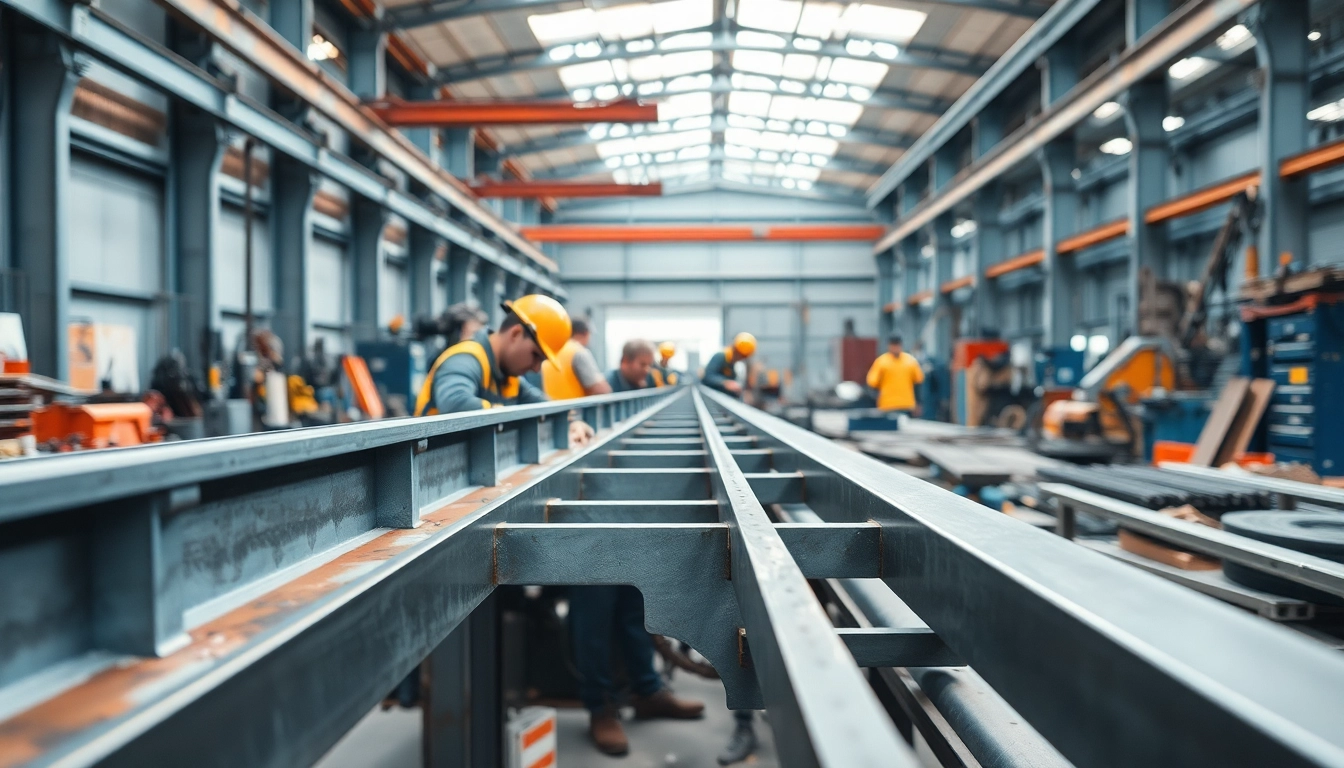
Structural steel fabrication involves the process of cutting, shaping, and assembling steel structural elements to produce a framework for buildings, bridges, and various other structures. It entails not only the material selection but also intricate craftsmanship that leads to the construction of robust and enduring infrastructures. This methodology is essential in the construction industry and provides the backbone for creating durable and resilient architectural designs.
In essence, structural steel fabrication is a blend of engineering, artistry, and state-of-the-art technology aimed at producing steel structures that can withstand significant loads and environmental challenges. The significance of structural steel fabrication cannot be understated, as it plays a pivotal role in ensuring safety, efficiency, and sustainability in building practices.
Historical Context and Evolution
To appreciate the art and science of structural steel fabrication, it is important to understand its evolution over the centuries. The use of steel in construction began in the 19th century during the Industrial Revolution, when it was discovered that steel could replace traditional materials like wood and stone in many applications. This shift facilitated the emergence of larger and more complex structures, exemplified by the construction of skyscrapers and bridges.
As the field progressed, innovations such as the Bessemer Process, which allowed for the mass production of steel, greatly reduced costs and improved the versatility of steel as a construction material. By the mid-20th century, advancements in welding techniques and engineering design led to even more robust frameworks. Today, structural steel fabrication draws from a rich history of technological and methodological advancements that continue to influence construction practices worldwide.
Key Benefits of Structural Steel Fabrication
The advantages of structural steel fabrication extend beyond mere aesthetics or cost-efficiency. Here are several key benefits that underline its importance in contemporary construction:
- Strength and Durability: Structural steel possesses high tensile strength, making it ideal for constructing buildings that need to withstand heavy loads and environmental forces such as wind and earthquakes.
- Flexibility in Design: The fabrication process allows for a high degree of customization, accommodating unique architectural designs and specifications.
- Cost-Effectiveness: Despite potential initial investment, steel structures offer long-term savings through durability, lower maintenance costs, and reduced construction timeframes.
- Sustainability: Steel is recyclable, and using it in construction reduces waste. Modern fabrication techniques aim to minimize material wastage during production.
- Speed of Construction: With precise manufacturing and pre-fabrication, structural steel components can be quickly assembled on-site, drastically reducing construction timelines.
Processes Involved in Structural Steel Fabrication
Cutting and Shaping Techniques
Cutting and shaping are pivotal steps in structural steel fabrication. These processes ensure that steel elements are crafted to the precise dimensions needed for a specific project. Techniques used include laser cutting, plasma cutting, and waterjet cutting:
- Laser Cutting: This method utilizes focused laser beams to cut through steel with incredible accuracy, minimizing the risk of wastage.
- Plasma Cutting: Involves using high-velocity ionized gas to melt steel, allowing for rapid cuts with a good level of precision.
- Waterjet Cutting: Combining high-pressure water with an abrasive substance, this technique can cut through various materials, including thick steel plates, without generating significant heat, preserving material integrity.
Welding Methods and Standards
Welding is a fundamental aspect of structural steel fabrication, providing the means to join individual components into a cohesive framework. The primary welding techniques used include:
- Arc Welding: Using an electric arc to melt together metal pieces, this method is highly versatile and commonly used in steel fabrication.
- MIG Welding (Metal Inert Gas): This process involves feeding a continuous wire electrode through a welding gun, producing a strong and homogeneous bond.
- TIG Welding (Tungsten Inert Gas): Utilizes a non-consumable tungsten electrode to produce high-quality welds suitable for thinner sections of steel.
All welding methods must adhere to stringent industry standards to ensure safety and structural integrity, dictated by organizations such as the American Welding Society (AWS) and the International Organization for Standardization (ISO).
Finishing and Surface Treatment Options
Once the structural elements are cut and welded, the finishing process enhances the steel’s performance and appearance. Common surface treatments include:
- Painting: Protective coatings are essential for preventing corrosion and enhancing aesthetic appeal. Various paint types can be applied, including epoxy and polyurethane coatings.
- Galvanization: This technique involves coating the steel with zinc, providing a robust barrier against rust.
- Powder Coating: A durable finish applied as a dry powder and then cured under heat, creating a hard finish that is resilient and visually appealing.
Choosing the appropriate finishing technique is crucial, as it affects both the longevity of the structure and its maintenance requirements.
Applications of Structural Steel Fabrication
Commercial Construction Projects
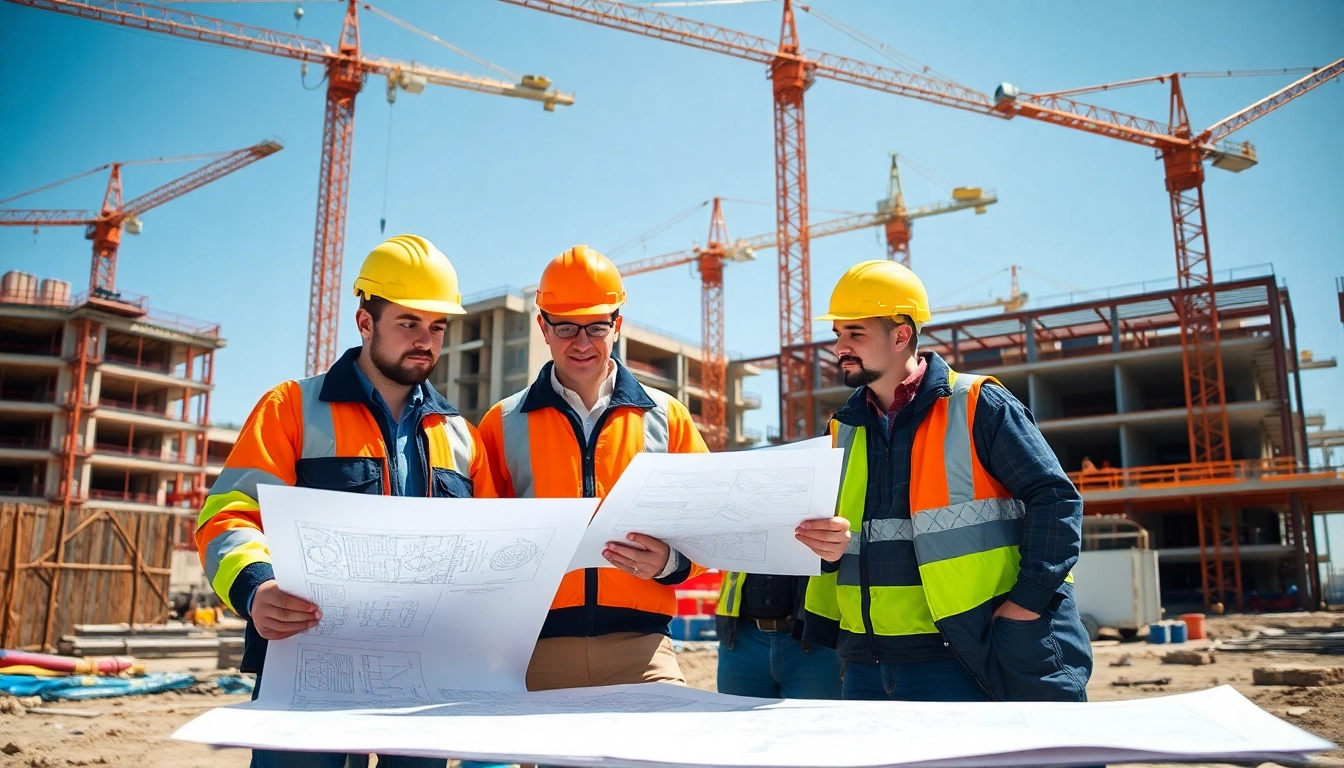
In commercial construction, structural steel fabrication is key to erecting office buildings, shopping malls, hotels, and other substantial infrastructures. The flexibility and strength of steel allow architects and engineers to design expansive open spaces without the need for numerous internal supports—enhancing both functionality and aesthetics. High-rise buildings, such as skyscrapers, exemplify where the combination of innovation in steel fabrication and architectural design converge to create landmarks in urban environments.
Industrial Applications and Infrastructure
Beyond commercial venues, structural steel fabrication is integral to various industrial applications. Manufacturing plants, warehouses, and distribution centers use large steel frameworks for efficiency and strength. Additionally, infrastructural projects such as bridges, tunnels, and transportation systems rely heavily on the principles of structural steel fabrication to ensure safety and durability in public works.
Steel’s corrosion resistance when treated adequately has made it a go-to material in areas exposed to harsh elements, including coastal regions where humidity and saline air are prevalent.
Custom Fabrication for Specialized Needs
Custom structural steel fabrication serves niche markets that require specialized applications. This includes custom fabrications for artistic installations, unique building shapes, or even equipment specific to industries such as petrochemicals or food processing.
Engaging experienced fabricators who can produce tailor-made solutions ensures that any particular project can meet precise specifications, resulting in better suitability for the intended function while maintaining structural integrity.
Best Practices in Structural Steel Fabrication
Quality Control Measures
Implementing rigorous quality control measures is essential in structural steel fabrication. Maintaining ISO certification ensures that best practices are followed at every stage, from material selection to fabrication processes. Regular inspections, weld integrity tests, and comprehensive documentation ensure that all components meet the predefined specifications, contributing to the overall safety and performance of the structure.
Safety Protocols in the Workshop
Safety is paramount in any fabrication workshop. Establishing standard operating procedures (SOPs) regarding equipment use, personal protective equipment (PPE), and emergency protocols reduces the risk of workplace injuries. Training employees on the correct handling and maintenance of machinery, as well as the safe use of tools, creates a culture of safety that benefits both workers and employers.
Environmental Considerations
As global awareness of environmental sustainability grows, structural steel fabrication practices are evolving to minimize environmental impacts. Lean manufacturing techniques and waste reduction strategies play a crucial role in improving efficiency while reducing the carbon footprint. Incorporating recycled materials where feasible and ensuring proper waste disposal enhances sustainability in fabrication practices.
Future Trends in Structural Steel Fabrication
Technological Innovations in Fabrication
The future of structural steel fabrication is intertwined with technological advancements. Innovations such as digital fabrication, robotics, and Building Information Modeling (BIM) are reshaping the landscape of construction. Digital fabrication enables precise customization and automation, while BIM fosters better collaboration among stakeholders, enhancing both the planning and execution phases of construction projects.
Sustainable Practices and Materials
As the construction industry pivots towards sustainability, the integration of eco-friendly materials alongside steel will likely gain traction. Research continues to explore the enhancement of steel properties through the addition of sustainable materials and innovative jointing techniques that promise to lower environmental impact while enhancing strength and durability.
Industry Challenges and Opportunities
The structural steel fabrication industry faces challenges such as fluctuating raw material costs, regulatory compliance, and the need for skilled labor. However, these challenges also pave the way for opportunities in workforce development, investment in training programs, and improved supply chain management. Addressing these issues proactively will help optimize operations and maintain competitiveness in an evolving industry.