
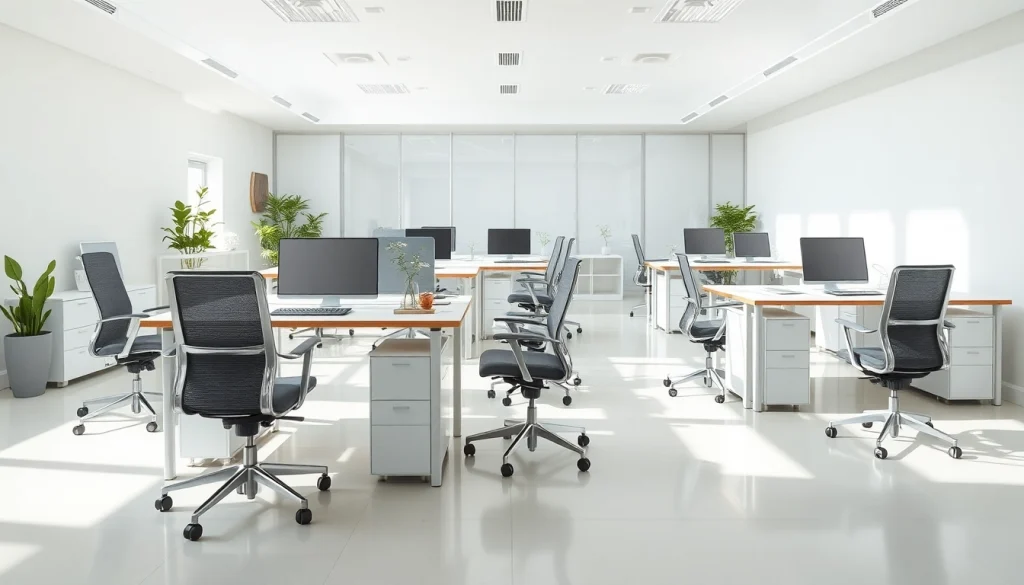
Understanding the Importance of Office Furniture
The office environment plays a critical role in shaping employee experiences and enhancing productivity. The right office furniture isn’t just about aesthetics; it encompasses a range of factors that can directly influence employee well-being and overall workplace efficiency. In this article, we delve into the significance of choosing quality office furniture and how it can lead to a healthier, more productive workspace.
Impact on Employee Well-Being
Ergonomic office furniture is essential for ensuring employee comfort. Office workers often spend long hours seated, making it vital to have chairs that provide appropriate lumbar and back support. Poor seating arrangements can lead to a myriad of health issues, including chronic back pain, repetitive strain injuries, and even mental fatigue. Consequently, investing in high-quality, ergonomic office chairs that adjust to individual needs can significantly improve employee satisfaction and morale.
Moreover, the quality of office furniture can affect the psychological well-being of employees. A well-designed workspace can foster a sense of ownership and pride among workers, while cluttered or poorly arranged furniture can lead to feelings of chaos and disorganization. Creating inviting and well-planned office settings can help combat fatigue and promote a more enjoyable work atmosphere.
Boosting Productivity Through Design
A direct correlation exists between office furniture design and productivity levels. Open, flexible office layouts encourage collaboration and communication among team members. Studies show that spaces designed for interaction, equipped with suitable seating arrangements and communal areas, can lead to higher levels of teamwork and innovative thinking.
Additionally, investing in furniture that accommodates various work styles is essential. For instance, not all tasks require a traditional desk setup. Providing alternative options, such as standing desks or lounge seating areas, allows employees to choose the workspace that best suits their current tasks and moods, which can enhance focus and creativity.
Sustainable Practices in Office Furniture Choices
With growing awareness regarding environmental challenges, sustainability in office furniture has become increasingly important. Opting for eco-friendly materials and sustainable manufacturing processes can significantly reduce a business’s carbon footprint. This not only aligns with corporate sustainability goals but can also enhance a company’s brand image.
Moreover, sustainable office furniture often comes with longevity guarantees, resulting in fewer replacements over time and ultimately saving costs. By prioritizing sustainable office furniture choices, businesses can contribute to environmental conservation while maintaining an attractive and functional office space.
Types of Office Furniture You Need
Determining the right office furniture is a crucial step in designing an effective workspace. Below are essential categories of office furniture that every workplace should consider.
Essential Desks and Workstations
Desks serve as the centerpiece of any office environment. They should be functionally and stylishly designed to provide ample workspace for employees. The choice of desk can heavily impact workflow and organization. Options such as height-adjustable desks promote ergonomics, allowing employees to alternate between sitting and standing, thereby enhancing comfort and preventing fatigue.
Moreover, collaborative workstations equipped for team projects support team dynamics and foster creativity, while private workstations provide employees with the necessary privacy for concentrated tasks. Selecting the appropriate type and configuration of desks can lead to more efficient workflows and a happier workplace.
Ergonomic Chairs for Comfort
Ergonomics is a vital consideration when selecting office chairs. Chairs that provide proper lumbar support, adjustable armrests, and seat height can significantly reduce the risk of long-term health issues stemming from prolonged sitting. By investing in quality ergonomic chairs, businesses can enhance employee health and productivity.
Additionally, chairs that allow for movement and flexibility can further stimulate blood circulation and alleviate discomfort. A comfortable chair promotes longer focus periods and boosts overall employee morale.
Storage Solutions for Organized Workspaces
Decluttering the workspace is essential for promoting productivity. Effective storage solutions, such as filing cabinets, bookshelves, and organizational desks, can significantly enhance efficiency by keeping necessary items easily accessible and organized.
Implementing storage solutions that allow for customization helps cater to the varying needs of different departments and teams. A well-organized workspace helps mitigate distractions, ultimately fostering a more focused work environment.
How to Choose the Right Office Furniture
Selecting the right office furniture requires a thoughtful approach to ensure it aligns with your organizational goals and employee needs. Here are key considerations when choosing office furniture.
Assessing Your Workspace Requirements
A thorough assessment of your workspace is the first step in choosing appropriate furniture. This involves evaluating the dimensions of the office, the number of employees, common workflows, and collaboration needs. Understanding these elements will help inform your furniture choices, ensuring they fit both the physical space and the social dynamics of your organization.
Additionally, identifying specific employee needs is crucial. For instance, consider the demographics of your workforce, such as age groups and job types, since different positions may require distinct furniture solutions. Engaging employees in this evaluation process can lead to obtaining valuable feedback that enhances satisfaction with the finalized office layout.
Balancing Aesthetics and Functionality
While functionality is paramount in office furniture selection, aesthetics should not be overlooked. The visual appeal of office furniture can significantly enhance the workplace atmosphere. Effective design can support branding and create an inviting environment for both employees and clients.
Therefore, when choosing furniture, seek a balance between aesthetics and functionality. Select colors and styles that resonate with your corporate identity while ensuring that pieces remain practical for everyday use. Implementing a cohesive design theme can result in a more unified office experience, promoting pride in the workspace.
Setting a Budget for Office Furniture
Budget constraints are a common reality for many organizations. However, furniture quality should not be sacrificed for price. Establishing a comprehensive budget that accounts for all aspects, including purchasing, delivery, maintenance, and potential upgrades is paramount.
Prioritizing investments by focusing on essential furniture first can help manage costs effectively, allowing organizations to gradually enhance their office as funding permits. Consider the long-term return on investment when purchasing office furniture, as high-quality pieces can last for many years, providing significant value over time.
Latest Trends in Office Furniture Design
The world of office furniture design is constantly evolving, shaped by shifting workplace expectations and technological advancements. Here are the latest trends to consider when refreshing your office space.
Open-Concept Office Furniture Solutions
Open-concept office designs encourage collaboration and communication among team members. This design trend fosters a more communal workspace where teams can brainstorm together and share ideas freely. Furniture that accommodates this approach, such as modular seating and communal tables, enhances interaction, making it easier for employees to engage effectively.
However, it’s essential to strike the right balance between openness and privacy. Providing designated quiet zones with suitable furniture ensures that employees have spaces to retreat when they require focus, ultimately coupling the benefits of collaboration with the need for concentration.
Smart and Tech-Friendly Office Furniture
The integration of technology into office furniture design is another trend gaining momentum. Smart desks equipped with embedded charging ports and connectivity options are ideal for fostering productivity in a tech-driven era. This kind of furniture not only provides convenience but also meets the evolving needs of modern workplaces.
Additionally, furniture that supports remote work, such as adaptable workstations and mobile pieces, caters to a workforce that increasingly requires flexibility in both location and setup.
Sustainable Materials in Modern Office Furniture
Sustainability is becoming a significant factor in purchasing decisions. Modern office furniture increasingly incorporates eco-friendly materials, such as reclaimed wood, recycled metals, and sustainable fabrics. Companies are recognizing the importance of minimizing environmental impact, and consumers are gravitating towards brands that prioritize sustainable practices.
Moreover, sustainability can extend beyond materials to manufacturing processes. Engaging local and transparent sourcing practices can further enhance office furniture’s environmental efficiency, aligning business operations with broader societal goals.
Maintaining Your Office Furniture for Longevity
Once you’ve made the investment in office furniture, proper maintenance is essential to ensure longevity and lasting value. Following a suitable maintenance plan can enhance the longevity of your assets while preserving their aesthetic appeal.
Regular Cleaning and Upkeep
Establishing a cleaning schedule tailored to office furniture types is vital in maintaining a welcoming environment. For example, fabric upholstery may require specialized cleaning techniques, while wooden surfaces can benefit from regular dusting and polishing.
Developing protocols for both routine maintenance and deep cleaning will enhance furniture durability and overall office hygiene, leading to a healthier workplace.
Updating and Renovating Furniture
Furniture updates do not necessarily mean replacing everything. Renovating or reupholstering existing pieces can breathe new life into the office while supporting sustainability efforts. Moreover, periodic updates can also reflect evolving organizational values and branding.
Consider refreshing your office space with new colors or finishes to keep the environment engaging. This attention to detail helps maintain workplace morale and enthusiasm over time.
Maximizing Space with Versatile Furniture
Versatile furniture can significantly aid in maximizing limited office space. Multi-functional pieces capable of serving dual purposes, such as storage benches or foldable tables, are ideal for creating an adaptable workspace.
Investing in furniture that can easily move or reconfigure facilitates a dynamic work environment, enabling quick adaptations to changing needs, events, or workflows. These flexible layouts contribute to an overall efficient workplace.