
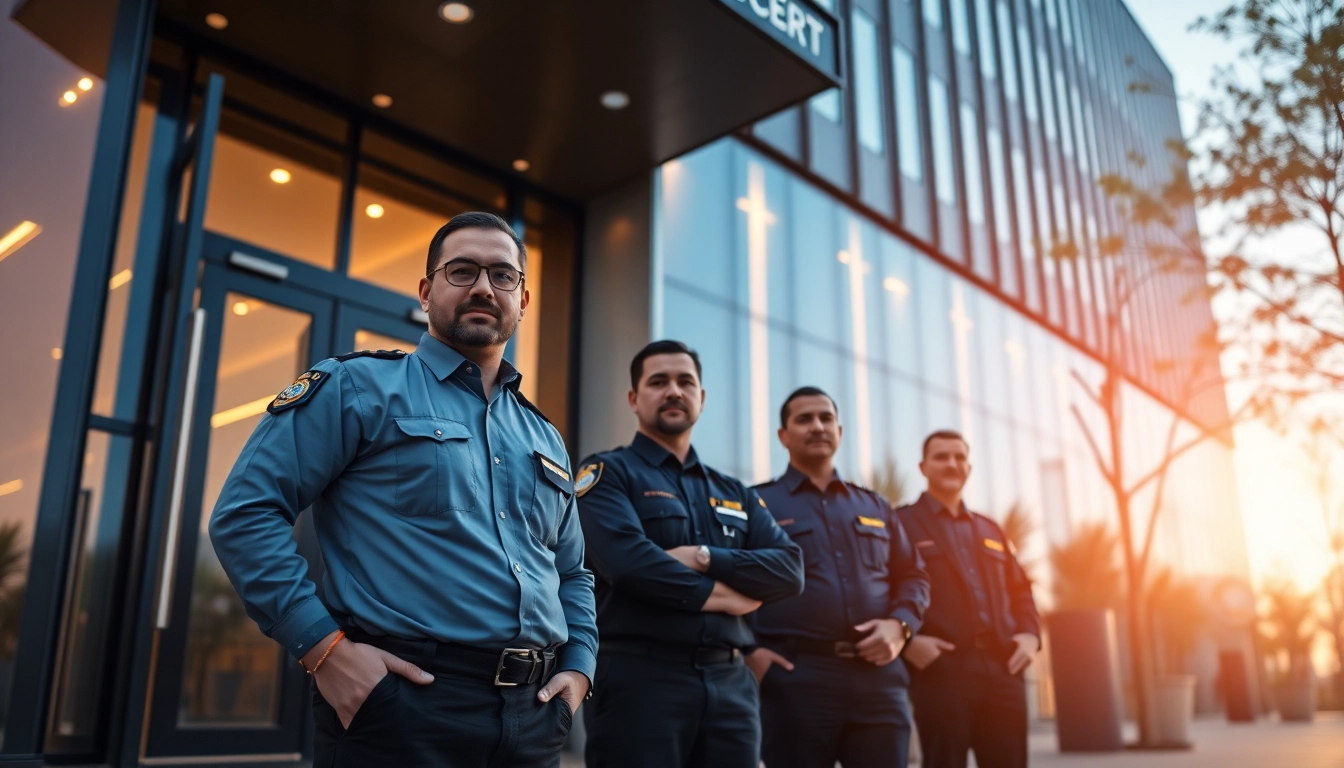
Understanding the Role of Security Guards
Overview of Security Guards and Their Importance
In today’s increasingly unpredictable world, the presence of Security Guards has become a critical aspect of ensuring safety and security across various settings. From retail environments and corporate offices to residential areas and public events, these professionals play a vital role in safeguarding assets, people, and property. The importance of security guards extends beyond mere physical presence; they act as a deterrent to crime and provide immediate response capabilities in emergency situations. Their training and skills enable them to manage complex security challenges effectively.
Different Types of Security Guards
Security guards can be classified into several categories based on their roles and operational settings. Understanding these types is crucial for recognizing how they fit into broader security frameworks. Here are some of the main types of security guards:
- Unarmed Security Guards: These guards typically monitor and patrol premises without carrying weapons. Their presence is often sufficient for deterring theft and unauthorized access.
- Armed Security Guards: Trained to carry weapons, armed guards are deployed in environments that may require a higher level of security, such as banks or government buildings.
- Event Security: Specially trained for public gatherings, event security guards manage crowds, check credentials, and ensure that activities proceed without incident.
- Residential Security Guards: These guards work in residential areas, offering protection for homes and communities via patrolling and monitoring access points.
- Corporate Security Guards: These professionals are typically employed by companies to protect their assets, employees, and sensitive information.
Legal Obligations and Certifications
Security guards must adhere to various legal obligations and often need specific certifications to operate legally and efficiently. The legal framework governing security personnel varies by region, and it is essential for security companies to remain compliant. Here are some important considerations:
- Licensing: Most states require security guards to obtain a license, which often involves background checks, training, and examinations.
- Training Requirements: Security personnel are typically required to undergo training that covers emergency response, conflict management, and legal constraints on their authority.
- Regulations: Compliance with state and federal regulations, including those concerning use of force and detention, is critical to mitigating legal risks.
Key Responsibilities of Security Guards
Patrolling and Monitoring Premises
One of the primary responsibilities of security guards is to patrol assigned areas proactively. This involves walking or driving through the vicinity, ensuring that all areas are secure and free of suspicious activity. Regular patrolling helps in the following ways:
- Deterring crime through visible presence.
- Identifying potential risks or breaches before they become serious issues.
- Providing a rapid response to any incidents that occur.
Responding to Emergencies and Incidents
Security guards are trained to react swiftly and effectively to emergencies, whether it be a medical situation, fire, theft, or other crises. Their response capabilities are often a determining factor in minimizing risks and damages. Key components of emergency response include:
- Implementing emergency protocols.
- Communicating with law enforcement and emergency medical services.
- Documenting incidents and preparing reports for further analysis and legal purposes.
Customer Service and Conflict Resolution
While security guards are often seen primarily in protective roles, they must also act as customer service representatives, especially in environments like retail or corporate settings. Their responsibilities include:
- Engaging with the public to create a welcoming environment.
- Resolving conflicts peacefully, utilizing de-escalation techniques to manage heated situations.
- Providing information and assistance as needed, ensuring that visitors feel safe and respected.
Selection Criteria for Hiring Security Guards
Qualifications and Training Requirements
Hiring the right security guards is essential for effective protection. The selection process should thoroughly evaluate applicants based on their qualifications, which should typically include:
- Completion of basic security training programs.
- Valid security license as per state regulations.
- Physical fitness to perform responsibilities effectively.
Evaluating Experience and Skillsets
When assessing potential security guards, experience can significantly influence their effectiveness. The evaluation process should consider the following aspects:
- Previous experience in security roles, particularly in similar environments.
- Specific skills such as conflict resolution, communication, and surveillance techniques.
- Proven track record of handling emergencies effectively.
Conducting Background Checks
Thorough background checks are non-negotiable in the security industry. They help ensure that the individuals employed are trustworthy and have no history that would pose a risk. Critical elements include:
- Criminal record checks.
- Verification of work history and references.
- Review of credit history if applicable, particularly for financial institutions.
Best Practices for Effective Security Management
Creating a Security Plan
A comprehensive security plan is vital for outlining procedures, protocols, and the roles of security personnel. Key components of an effective security plan include:
- Assessment of security risks associated with the specific environment.
- Clear communication of roles and responsibilities among security staff.
- Regular review and updates of the plan to adapt to new threats.
Utilizing Technology for Enhanced Security
The modern security landscape is heavily influenced by technology, which has introduced numerous tools to aid security guards in their duties. Effective utilization includes:
- Implementing surveillance systems, such as CCTV, to monitor premises.
- Using software for incident reporting and data analysis to track security trends.
- Employing access control systems to manage entry to sensitive areas.
Continuous Training and Development of Security Guards
To maintain high standards of security, continuous training and development programs should be instituted. This includes:
- Regular workshops on new security practices and regulations.
- Scenario-based training sessions to enhance response capabilities.
- Feedback mechanisms to improve guard performance and professionalism.
The Future of Security Guards in the Industry
Trends Influencing Security Guard Services
The security industry is evolving, influenced by various external factors. Current trends suggest a move towards greater integration of technology, with an increasing emphasis on data-driven security management. Additionally, the demand for specialized security services is rising, driven by complex threats and changing public expectations.
The Role of Technology in Evolving Security Practices
Advancements in technology are redefining the roles of security guards. From AI-monitored surveillance systems to mobile applications enabling real-time communication, technology is streamlining security operations and enhancing effectiveness. Security guards must adapt to these tools, incorporating them into daily operations to stay relevant and capable.
Adapting to Changing Threat Landscapes
As threats continue to evolve, so too must the strategies employed by security guards. This adaptation involves staying updated on emerging threats, such as cybercrime and terrorism, and adjusting training and tactics accordingly. Security managers must foster a culture of resilience and preparedness among their teams to ensure that guards are equipped to handle a variety of scenarios.