
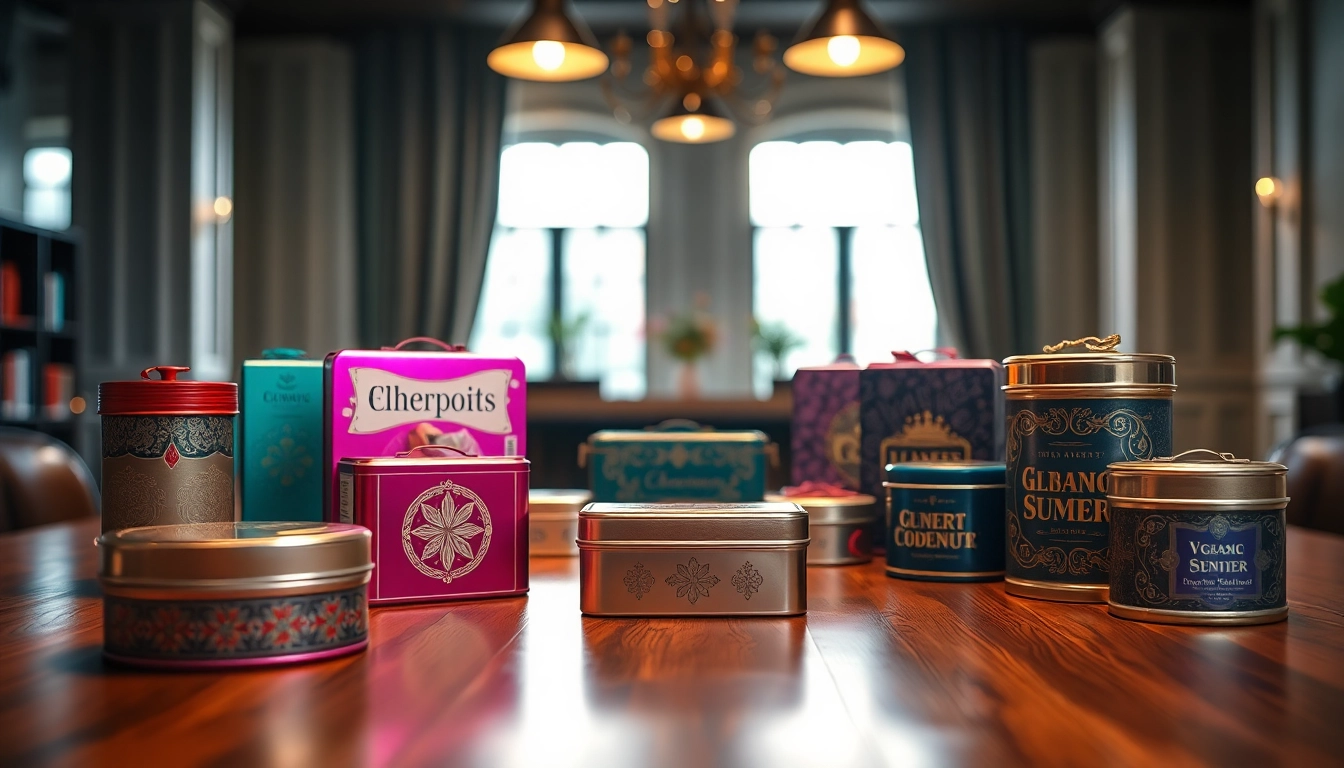
Understanding Custom Tin Boxes
What is a Custom Tin Box?
A custom tin box is a versatile and practical packaging solution specifically designed to meet the unique needs of businesses and consumers. These boxes are typically made from steel or aluminum and can be customized in various shapes, sizes, and designs to align with branding objectives. Their durability and aesthetic appeal make them a popular choice for packaging products ranging from food items and cosmetics to promotional gifts and merchandise.
Benefits of Using Custom Tin Boxes
Custom tin boxes offer numerous benefits for businesses looking to enhance their branding efforts and improve product presentation. Here are some key advantages:
- Durability: Unlike cardboard packaging, tin boxes are robust and resistant to damage, ensuring that products remain safe during transportation and storage.
- Reusability: Customers often reuse tin boxes for various purposes, which allows brands to extend the life of their packaging and reinforces brand recall.
- Design Flexibility: The ability to customize tin boxes can lead to innovative packaging solutions that stand out on shelves and online, helping to capture consumer attention.
- Eco-Friendly Options: Many custom tin boxes are recyclable, making them a sustainable choice that appeals to environmentally conscious consumers.
- Enhanced Perceived Value: A well-designed tin box can elevate the perceived value of products, making them suitable for premium offerings.
Common Applications for Custom Tin Boxes
Custom tin boxes can serve a wide array of industries and purposes. Some common applications include:
- Food Products: Cookies, candies, tea, and coffee often use tin boxes for packaging as they help preserve freshness while providing an elegant presentation.
- Cosmetics and Beauty Products: Skincare and makeup brands utilize custom tin boxes to convey luxury and quality, often incorporating intricate designs and finishes.
- Gifts and Promotional Items: Brands frequently use tin boxes to package promotional gifts, allowing for creative designs that reflect brand identity and values.
- Collectibles: Many special edition items are packaged in custom tin boxes, enhancing their appeal to collectors and enthusiasts.
Designing Your Custom Tin Box
Choosing the Right Materials
The choice of materials is crucial when designing a custom tin box. Typically, manufacturers use either tinplate or aluminum for production:
- Tinplate: Affordably priced and widely used, tinplate is a thin steel sheet coated with a layer of tin, providing corrosion resistance and aesthetic appeal.
- Aluminum: This option is lightweight, resistant to oxidation and rust, and can be produced in various thicknesses, making it perfect for premium packaging solutions.
Popular Design Trends in Tin Boxes
As consumer preferences evolve, so do design trends in custom tin boxes. Here are several emerging trends to consider:
- Minimalistic Designs: Simple, clean designs focusing on typography and subtle graphics are gaining popularity, offering a modern aesthetic that appeals to a wide audience.
- Bold Colors and Patterns: Vibrant colors and bold designs can help products stand out on shelves, attracting attention and driving purchases.
- Interactive Elements: Incorporating features like magnetic closures, windows, or handles can enhance functionality and improve user experience.
How to Incorporate Branding into Your Design
Branding is a critical component of the design process for custom tin boxes. This is how to effectively incorporate branding:
- Logos and Taglines: Prominently feature your logo and tagline to ensure brand recognition.
- Consistent Color Schemes: Use colors that align with your brand identity to create a cohesive look across all packaging and marketing materials.
- Unique Shapes: Custom shapes that reflect your brand’s character can create a memorable impression, distinguishing your products from competitors.
Production Process of Custom Tin Boxes
Step-by-Step Guide to Tin Box Manufacturing
The production process of custom tin boxes is intricate and involves several stages:
- Designing the Artwork: The first step involves creating the artwork based on customer requirements and branding guidelines.
- Material Selection: Choosing the appropriate material, whether tinplate or aluminum, ensures that the design requirements can be met effectively.
- Cutting and Forming: Sheets of metal are cut and formed into shape using specialized machinery to achieve the desired box configuration.
- Printing: High-quality printing techniques are used to apply designs, ensuring vibrant and durable graphics.
- Assembling: The printed components are assembled, with any additional features (like hinges or inserts) added during this stage.
- Finishing Touches: Finally, boxes may undergo additional finishing processes such as varnishing, lacquering, or embossing to enhance aesthetics.
Quality Control Measures
Ensuring quality at every manufacturing stage is critical. Quality control measures may include:
- Material Inspection: Verifying the quality of incoming materials to ensure compliance with specifications.
- Regular Testing: Conducting random tests throughout the production process to check for defects or inconsistencies.
- Final Inspection: Before shipment, a thorough inspection is conducted to ensure that finished products adhere to quality standards.
Sustainability in Tin Box Production
In today’s environmentally conscious market, sustainable practices are becoming imperative. Manufacturers can promote sustainability through:
- Recyclable Materials: Using recyclable materials for production minimizes environmental impact and appeals to eco-friendly consumers.
- Energy-Efficient Processes: Implementing energy-efficient manufacturing processes reduces the carbon footprint of production.
- Waste Reduction Initiatives: Adopting systems that reduce waste during production contributes to sustainability efforts.
Marketing Your Custom Tin Box
Strategies to Promote Your Custom Tin Boxes
Marketing custom tin boxes requires a strategic approach to reach the right audience. Consider these strategies:
- Targeted Campaigns: Define your target market and create campaigns that specifically address their preferences and needs.
- Collaborations: Partnering with complementary brands for cross-promotions can expand market reach and increase visibility.
- Trade Shows: Participating in industry trade shows allows for direct interaction with potential customers and gives you an opportunity to showcase products.
Leveraging Social Media for Exposure
Social media platforms are powerful tools for promoting custom tin boxes. Here’s how to maximize their effectiveness:
- Visual Content: Use high-quality images and videos showcasing your tin boxes to capture attention and engage followers.
- Influencer Marketing: Collaborate with influencers in your niche who can feature your products, boosting credibility and reach.
- Customer Engagement: Encourage customers to share their experiences using your tin boxes through reviews and social media posts.
Case Studies of Successful Custom Tin Box Campaigns
Examining case studies of successful custom tin box campaigns can provide valuable insights. Consider the following examples:
- Brand X: A premium tea company launched a limited-edition tin box designed with unique art. The campaign resulted in a 30% increase in sales over the promotional period.
- Brand Y: A chocolate brand utilized eco-friendly materials in their custom tin packaging, which improved customer loyalty among environmentally conscious consumers and increased their market share by 15%.
Measuring the Success of Your Custom Tin Box Projects
KPIs for Assessing Performance
To effectively measure the success of your custom tin box projects, monitoring specific KPIs is essential. Some key performance indicators to consider include:
- Sales Growth: An increase in sales directly linked to the introduction of custom tin boxes indicates a successful initiative.
- Customer Engagement Rates: Analyze metrics such as social media interactions, website visits, and email open rates to gauge consumer interest.
- Return on Investment (ROI): Calculate ROI based on the costs incurred for producing and marketing the tin boxes against the revenue gained.
Customer Feedback and Improvement Strategies
Regular gathering of customer feedback is crucial for improvement. Strategies to enhance customer insight include:
- Surveys and Questionnaires: Conduct surveys post-purchase to collect opinions on both the product and packaging.
- Focus Groups: Engage small groups of customers to discuss perceptions of the custom tin boxes and gather direct feedback for enhancement.
- Iterative Design: Use insights from customer feedback to continuously refine and improve box designs and functionality.
Long-Term Trends in Custom Packaging
Understanding long-term trends in custom packaging can help brands anticipate consumer preferences. Emerging trends in the industry include:
- Personalization: Consumers increasingly desire personalized packaging options that resonate with their individual tastes and preferences.
- Smart Packaging: Integrating technology such as QR codes or NFC chips offers consumers enhanced interaction and the potential for digital storytelling.
- Health and Wellness Focus: There’s a growing demand for packaging that supports health and wellness, influencing the materials used and designs adopted.