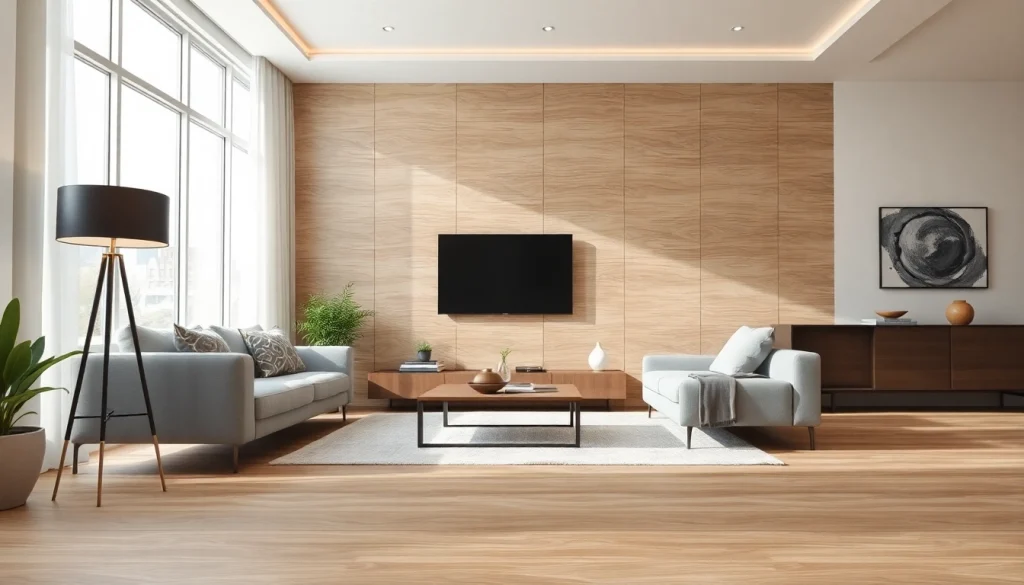
Understanding Interior Wall Board Basics
What is Interior Wall Board?
Interior wall board, commonly referred to as drywall or gypsum board, serves as a key component in constructing interior walls and ceilings. This versatile building material consists of a core made of gypsum, sandwiched between two layers of heavy paper or fiberglass mats. The board’s design allows for easy installation and finishing, making it a preferred choice for both residential and commercial projects. Whether you’re constructing a new building or remodeling an existing space, the use of interior wall board is integral in achieving a smooth and streamlined appearance.
Types of Interior Wall Board Materials
There are various types of interior wall board, each designed for specific applications and environments. Here are the most common options:
- Standard Gypsum Board: Ideal for general wall applications, this is the most common type used in residential settings.
- Moisture-Resistant Board: Often used in bathrooms and kitchens, this type is treated to withstand humidity.
- Fire-Resistant Board: Required in areas where fire safety is a priority, such as garages and places with furnace installations.
- Soundproof Board: This specialized board effectively reduces sound transmission, making it ideal for multifamily dwellings.
- Flexible Board: Designed for curved walls and unique spaces, this board provides adaptability in design.
Applications and Uses for Interior Wall Board
Interior wall board is extensively used in both residential and commercial constructions. In homes, it forms the foundation of living spaces, providing the framework for drywall partitions, ceilings, and more. In commercial settings, it is utilized for office partitions, retail spaces, and other applications where flexible layouts are required. Its wide usability extends to:
- New Construction: Structural walls, ceilings, and other surfaces.
- Renovations: Adding or modifying space configurations.
- Finishing Touches: Creating a polished look in bedrooms, living rooms, and kitchens.
Benefits of Using Interior Wall Board
Improved Aesthetics
One of the primary advantages of using interior wall board is its ability to provide a smooth, beautiful finish. Unlike traditional plaster walls, which can crack and require extensive maintenance, interior wall board allows for easier installation and finishing processes. The surface can be painted, textured, or wall-papered to fit any design aesthetic, making it an ideal choice for varying interior styles.
Sound Insulation Properties
The soundproofing capabilities of sound-resistant interior wall board make it an excellent choice for multi-family housing and offices. By helping to minimize sound transmission between rooms, interior wall board enhances privacy and comfort. Homeowners and renters alike commend its effectiveness in creating quieter environments, which is particularly beneficial in busy urban settings.
Cost-Efficiency of Interior Wall Board
Another significant benefit of interior wall board is its cost-efficiency. Compared to traditional building materials, drywall is typically less expensive, both in terms of material costs and labor to install. The average price range for standard interior wall board is between $0.50 and $3 per square foot, depending on the type and brand selected. Additionally, its longevity and low maintenance requirements ensure great return on investment over time.
Installation Practices for Interior Wall Board
Preparation and Planning
Before beginning the installation of interior wall board, thorough preparation is essential. Assess the space and create an accurate plan that includes measurements and any design elements you wish to incorporate. Ensure you have all necessary materials and tools on hand such as screws, a drywall saw, tape measure, and a drywall lift. Planning helps streamline the process and reduces the chances of errors.
Step-by-Step Installation Guide
The installation of interior wall board is an achievable DIY project. Follow these steps for a successful installation:
- Measure and Cut: Measure your wall studs and cut the board to match these dimensions with a drywall saw.
- Attach to Studs: Using drywall screws, fasten the board to wall studs, ensuring that screws are slightly recessed.
- Tape and Mud: Apply paper tape over the seams and use joint compound to smooth over the tape.
- Sand and Finish: Once the compound dries, sand the area smooth, then prime and paint to complete.
Common Mistakes to Avoid
When installing interior wall board, avoiding common pitfalls can save time and frustration:
- Incorrect Measurements: Always double-check your measurements before cutting.
- Poor Joint Finishing: Ensure compound is applied evenly for a flawless appearance.
- Forgetting to Seal Joints: Always tape and mud seams to prevent cracking.
Choosing the Right Interior Wall Board
Factors to Consider
Selecting the right type of interior wall board is critical for ensuring it meets your space’s specific needs. Key factors to consider include:
- Room Purpose: Determine if moisture or sound insulation is a priority.
- Thickness: Choose thickness based on application; usually, 1/2″ is suitable for most applications.
- Local Building Codes: Be aware of the regulations that may dictate material type in your area.
Comparing Different Brands
While brand comparisons are often influenced by user reviews and product warranties, it is crucial to evaluate durability, overall quality, and ease of installation. Engaging with professionals or researching online forums can provide insights into customer experiences with various products.
Eco-Friendly Options for Interior Wall Board
With growing environmental awareness, eco-friendly interior wall boards are becoming increasingly popular. Options like recycled materials or those with sustainable manufacturing processes maintain structural integrity while reducing the environmental footprint. Consider boards labeled as low-VOC or formaldehyde-free for a greener choice.
Interior Wall Board Maintenance and Care
Cleaning and Upkeep Tips
To maintain the appearance and longevity of your interior wall board, consider the following cleaning tips:
- Regular Dusting: Keep surfaces free of dust using a damp cloth.
- Spot Cleaning: For stains, use a mild detergent and gently scrub, avoiding excessive moisture.
Repairing Damaged Interior Wall Board
Repairs for damaged interior wall board can be handled easily with these steps:
- Assess the Damage: Identify if the damage is superficial or requires board replacement.
- Patch Small Holes: Use a wall patch or spackle for minor dents and holes.
- Replace Larger Sections: For significant damage, cut out the affected board and replace it.
Long-term Care for Durability
To extend the life of your interior wall board, consider these strategies:
- Monitor Humidity Levels: Keep humidity in check to avoid warping.
- Insulate Properly: Ensure adequate insulation behind the board to minimize stress on the surface.
FAQs
What is the average cost of interior wall board?
The cost of interior wall board varies, typically ranging from $0.50 to $3 per square foot, depending on material and brand.
How do I choose the right thickness for interior wall board?
Choose thickness based on the space’s function; typically, 1/2″ is common for walls, while 5/8″ is used for higher sound resistance.
Can interior wall board be painted?
Yes, interior wall board can be painted. It’s advisable to use a primer before applying paint for better adhesion.
Is interior wall board water-resistant?
Regular interior wall board is not water-resistant; however, specialty water-resistant boards are available for moist areas.
How can I soundproof with interior wall board?
To soundproof, consider using thicker boards combined with insulation materials for enhanced sound-dampening properties.