1. Introduction to Bluetooth Modules
In our increasingly connected world, communication between devices is paramount. Bluetooth modules are crucial components that facilitate wireless communication across a variety of devices—ranging from smartphones and computers to home automation systems and wearable technology. Understanding the capabilities and applications of Bluetooth modules is essential for developers, manufacturers, and tech enthusiasts alike, as these modules greatly influence the performance and efficiency of smart devices. In this article, we will explore various aspects of Bluetooth technology, focusing on Bluetooth modules, which enable seamless connectivity across different platforms. From understanding the fundamental technologies and functions to the latest trends shaping the future of Bluetooth, our guide covers it all. For those looking to incorporate a Bluetooth module into their projects, we aim to provide a comprehensive overview that will enhance insights and facilitate informed decisions.
1.1 What is a Bluetooth Module?
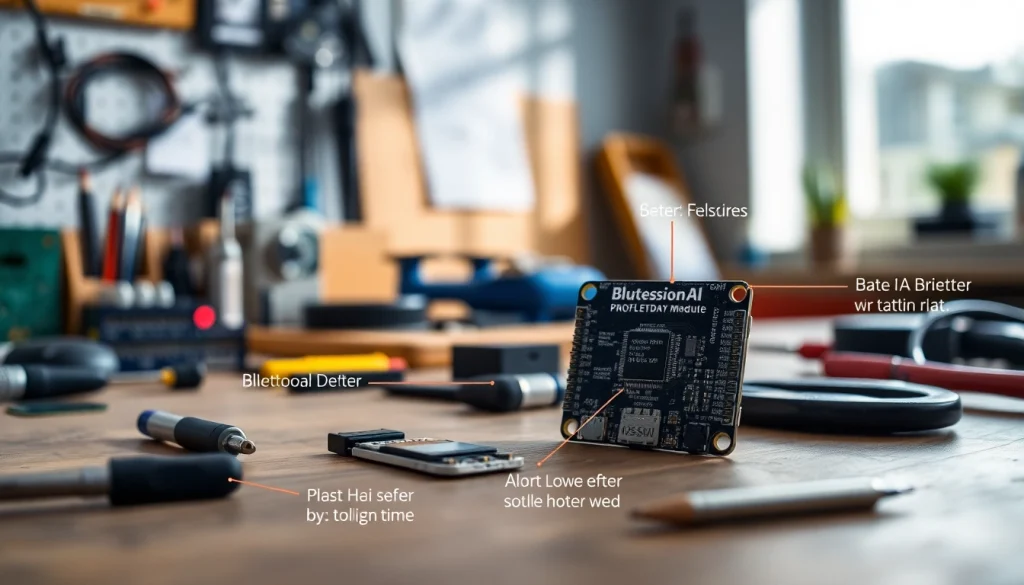
A Bluetooth module is a compact electronic component that enables devices to communicate wirelessly over short distances using Bluetooth technology. Typically, it consists of a microcontroller and a Bluetooth radio, which allows for data transmission to and from other Bluetooth-enabled devices. Due to its low power consumption and significant data transfer capabilities, Bluetooth technology has evolved rapidly, becoming a standard for wireless communication across numerous industries.
1.2 Key Technologies and Functions
Bluetooth modules operate based on various core technologies that underpin their functionality. These include:
- Bluetooth Classic: Ideal for continuous data streaming applications such as audio transmission.
- Bluetooth Low Energy (BLE): Optimized for battery-powered devices, providing shorter communication intervals and low power consumption.
- Profiles and Protocols: Bluetooth uses profiles that standardize how devices communicate. Common profiles include the A2DP for audio streaming and GATT (Generic Attribute Profile) for BLE devices.
1.3 Common Use Cases in Modern Devices
Bluetooth modules find applications in a myriad of devices, facilitating innovative functionality. Some common use cases include:
- Audio Devices: Wireless headphones and speakers utilize Bluetooth for streaming audio content.
- Wearables: Fitness trackers and smartwatches leverage Bluetooth to sync data with smartphones.
- Home Automation: Smart home devices like light bulbs, thermostats, and security cameras utilize Bluetooth for connectivity and control.
2. Types of Bluetooth Modules
2.1 Classic vs. Low Energy Bluetooth Modules
Bluetooth modules can primarily be categorized into two types: Classic and Low Energy (BLE). Bluetooth Classic is designed for devices that require consistent streaming of data, like audio devices. In contrast, BLE is tailored for applications that prioritize power efficiency and sporadic data transfer, making it suitable for health monitors and sensors that need to operate with minimal battery consumption.
2.2 Integrated vs. Standalone Modules
Bluetooth modules are also distinguished by their design as integrated or standalone:
- Integrated Modules: These often combine Bluetooth functionality with other features, such as Wi-Fi, providing versatility in implementation without the need for extra components.
- Standalone Modules: Comprising a Bluetooth radio and a microcontroller, these allow developers more freedom in terms of programming and integration into custom hardware designs.
2.3 Selection Criteria for Specific Applications
Choosing the right Bluetooth module involves evaluating several factors, including:
- Power Consumption: For battery-operated devices, modules with lower power requirements are critical.
- Range: Depending on application needs, select modules that offer the desired transmission distance without compromising performance.
- Data Rate: Ensure that the Bluetooth module can handle the required data transfer rate, particularly for high-bandwidth applications.
- Compatibility: Verify that the module is compatible with existing systems or planned technology stack to avoid integration issues.
3. How to Integrate Bluetooth Modules into Projects
3.1 Required Hardware and Software
Integrating a Bluetooth module into your project involves specific hardware and software prerequisites. Essential hardware will include the Bluetooth module, suitable microcontrollers (such as Arduino or Raspberry Pi), power supplies, and connectors. On the software side, development environments like Arduino IDE or platform-specific SDKs are often required to code and deploy applications efficiently.
3.2 Step-by-Step Integration Process
- Select the Appropriate Bluetooth Module: Identify the specific requirements of the project to choose the right module.
- Set Up the Development Environment: Use platforms like Arduino IDE for writing code. Install necessary libraries for Bluetooth communication.
- Connect Hardware: Wire the module to the microcontroller as per the module’s datasheet specifications.
- Write Code: Write the firmware that will enable your device to send and receive data via the Bluetooth module.
- Test and Debug: Test the hardware setup and debug any issues that arise during development to ensure reliable connectivity and performance.
3.3 Troubleshooting Common Integration Issues
When integrating Bluetooth modules, various challenges may arise. Common issues include:
- Connection Problems: Ensure that both transmitting and receiving devices are properly paired and within range.
- Data Transfer Errors: Double-check the data format and protocol being used, as mismatches can lead to corrupted transmission.
- Power Issues: Verify that the module is receiving adequate power supply, as insufficient voltage can lead to malfunctions.
4. Performance Metrics for Bluetooth Modules
4.1 Range and Connectivity Considerations
Bluetooth module performance is significantly influenced by range and connectivity. Most Bluetooth modules typically offer a range between 10 to 100 meters, depending on factors such as hardware quality and environmental interferences, including barriers and signal obstructions. It is imperative to select modules tailored to the needs of the specific application, especially when long-range transmission is required.
4.2 Power Consumption and Efficiency
Power consumption is a critical metric for battery-operated devices. Bluetooth Low Energy emphasizes low energy consumption, with devices often lasting for months or even years on a single battery charge. Evaluating the energy profile of Bluetooth modules is essential to optimize the longevity and efficiency of your projects.
4.3 Testing and Validation Methods
Ensuring reliable performance from Bluetooth modules necessitates rigorous testing and validation. Common methods include:
- Environmental Testing: Validate performance under varying conditions, including temperature and humidity.
- Interference Testing: Assess the module’s resilience to interference from other wireless devices.
- Load Testing: Measure how well the module can manage data throughput under maximum load conditions.
5. Future Trends in Bluetooth Technology
5.1 Emerging Innovations and Upgrades
The landscape of Bluetooth technology is continuously evolving, with upgrades such as Bluetooth 5 and the anticipated Bluetooth 5.2 bringing forth improvements in speed, range, and data transfer capabilities. Future innovations might also include enhanced security features and advancements aimed at integrating with other communication technologies, such as Wi-Fi and cellular networks.
5.2 Impact of Bluetooth Technology on IoT
The Internet of Things (IoT) has dramatically embraced Bluetooth technology due to its compatibility and efficiency. As IoT devices proliferate, Bluetooth modules provide a framework for secure and dependable communication between smart devices. With advances in BLE, the potential for sensor networks in healthcare, smart homes, and industrial applications is flourishing.
5.3 Predictions for Industry Growth
The market for Bluetooth technology is expected to witness significant growth, driven by increased adoption of connected devices and innovations in smart technology. As industries seek to enhance user experiences through seamless connectivity, Bluetooth modules will remain at the forefront of this technological revolution, with various sectors investing in enhancements, security measures, and integrations.