The Fundamentals of Commercial Real Estate
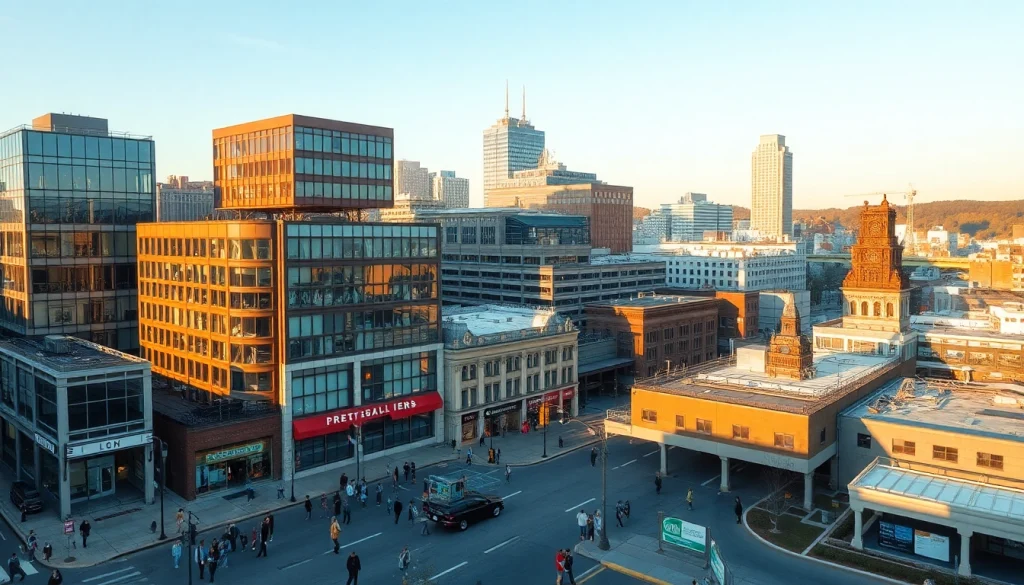
Commercial real estate is a complex and dynamic sector of the property market that encompasses a wide variety of property types and uses. Understanding its fundamentals is essential for investors, developers, and business owners alike. As the landscape evolves, so do the opportunities and challenges it presents. This article explores the definition, types, and market dynamics of commercial real estate, providing insights to help you navigate this intricate field. When exploring options, Commercial Real Estate offers comprehensive insights into the various properties available.
Defining Commercial Real Estate
Commercial real estate (CRE) refers to property that is used exclusively for business purposes. Unlike residential real estate, which is intended for personal living space, CRE includes office buildings, retail spaces, warehouses, industrial properties, and more. The primary aim of commercial real estate is to generate income, either through rental income or capital appreciation.
Investing in commercial real estate can provide attractive returns, making it a pivotal part of a diversified investment portfolio. However, it requires a solid understanding of market dynamics, tenant needs, and property management practices.
Types of Commercial Properties
- Office Space: These properties range from single-tenant buildings to large skyscrapers and can be further categorized into Class A, B, and C based on quality and amenities.
- Retail: Retail properties include strip malls, shopping centers, and standalone stores. The success of retail spaces is closely linked to consumer behavior and location.
- Industrial: This category encompasses warehouses, manufacturing plants, and distribution centers, which are crucial for logistics and supply chains.
- Multifamily: While often considered residential, properties like apartment complexes fall under commercial real estate when they have five or more units.
- Mixed-Use: These developments combine residential, commercial, and sometimes industrial spaces into one property, catering to diverse needs.
Understanding Commercial Real Estate Markets
The commercial real estate market is influenced by various factors, including economic conditions, consumer trends, and regulatory changes. Key indicators such as vacancy rates, rental rates, and employment statistics provide insights into market health.
In recent years, urbanization trends and the demand for flexible working spaces have shaped market dynamics significantly. Understanding local market trends is crucial for making informed investment decisions.
Key Trends Shaping Commercial Real Estate in 2025
As we look towards the future, several key trends are emerging that will shape the commercial real estate landscape in 2025. These trends are driven by technological advancements, shifting buyer preferences, and increasing emphasis on sustainability.
Technology’s Impact on Commercial Real Estate
The role of technology in commercial real estate has expanded tremendously. From property management systems to virtual reality tours, technology is transforming how properties are bought, sold, and managed. Innovations such as artificial intelligence and big data analytics allow investors to make data-driven decisions, enhancing operational efficiency and tenant satisfaction.
Moreover, online platforms for listing properties have made it easier for buyers and sellers to connect, streamlining transactions and increasing market accessibility.
Sustainability in Commercial Spaces
With growing awareness of environmental issues, sustainability is becoming a critical factor in commercial real estate development and investment. Properties that incorporate sustainable practices, such as energy-efficient systems and green building certifications, are increasingly favored by tenants and investors alike.
Green buildings not only reduce environmental impact but also lower operational costs through energy savings, making them attractive investments in the long term.
Shift in Buyer Preferences and Needs
Post-pandemic, there has been a notable shift in buyer preferences, particularly regarding office spaces. Remote work trends have led to a reevaluation of workspace needs, with many businesses seeking flexible leasing options and hybrid office environments. This shift necessitates a reevaluation of space design, emphasizing collaborative and adaptable layouts.
Furthermore, buyers are increasingly looking for properties that contribute positively to their community and promote well-being, reflecting a broader societal trend toward valuing holistic living and working environments.
Investment Strategies for Commercial Real Estate
Investing in commercial real estate requires a strategic approach that balances risk and reward. By understanding investment risks and identifying profitable opportunities, investors can build successful commercial real estate portfolios.
Evaluating Investment Risks
Investors must assess various risks associated with commercial real estate, including market risk, tenant risk, and operational risks. Market fluctuations can impact property values and rental income, while tenant risk involves the potential for vacancies or non-payment.
Conducting thorough due diligence and market research is essential for minimizing these risks. Investors should also consider diversifying their portfolios across different property types and geographic locations to spread risk.
Finding Profitable Opportunities
Identifying profitable opportunities in commercial real estate often involves analyzing market trends, property values, and tenant demands. Networking with real estate professionals and utilizing advanced property search tools can significantly aid in finding suitable investments.
Additionally, emerging markets and underserved areas may present lucrative opportunities for strategic investment, providing higher potential returns compared to saturated markets.
Property Management Best Practices
Effective property management is vital for maximizing returns on commercial real estate investments. Implementing best practices such as regular maintenance, proactive tenant communication, and efficient financial management can enhance property performance.
Utilizing property management software can streamline operations and improve tenant relations, ultimately contributing to higher tenant retention and satisfaction rates.
Navigating Financing Options for Commercial Properties
Securing financing for commercial real estate can be more complex than residential financing. Various options are available, each with its own requirements and terms.
Types of Financing Available
Common financing options for commercial properties include traditional bank loans, SBA loans, private equity, and crowdfunding platforms. Each option has its benefits and drawbacks, depending on factors such as property type, borrower creditworthiness, and investment goals.
Investors should carefully evaluate their financing options to determine which best aligns with their investment strategy and financial situation.
Understanding the 2% Rule
The 2% rule is a useful guideline for assessing the profitability of rental properties, particularly in the commercial space. According to this rule, a property is considered a good investment if the monthly rent is at least 2% of the purchase price. This metric provides a simple way to gauge potential returns and compare different investment opportunities.
Credit Score Requirements for Buyers
Creditworthiness is a crucial factor in securing financing for commercial real estate. Lenders typically require a credit score of 650 or higher, although this can vary based on the property type and loan amount. Improving your credit score before seeking financing can enhance your chances of approval and favorable loan terms.
Future Predictions for Commercial Real Estate
Looking ahead, the commercial real estate landscape is expected to continue evolving in response to economic, technological, and social changes. Staying informed about these trends will be essential for investors and industry professionals.
Emerging Markets to Watch
As urbanization continues and remote work becomes more prevalent, emerging markets in suburban and rural areas may offer new opportunities for commercial real estate investment. Investors should keep an eye on demographic trends and economic growth in these locations to identify profitable ventures.
Impact of Remote Work on Office Spaces
The shift to remote work is likely to have lasting implications for office space demand. Companies may seek smaller, more flexible office spaces or co-working environments to accommodate a hybrid workforce. Consequently, investors should consider how to adapt to these changing needs while maintaining property value.
Long-term Economic Factors Affecting Commercial Real Estate
Several long-term economic factors, such as interest rates, inflation, and demographic shifts, will significantly influence the commercial real estate market. Understanding these factors will help investors make informed decisions and anticipate market trends.
In summary, the commercial real estate sector is poised for significant change as it adapts to new economic realities, technology, and buyer preferences. By understanding the fundamentals, staying abreast of trends, and strategically navigating investment opportunities, stakeholders can successfully position themselves for a thriving future in commercial real estate.