
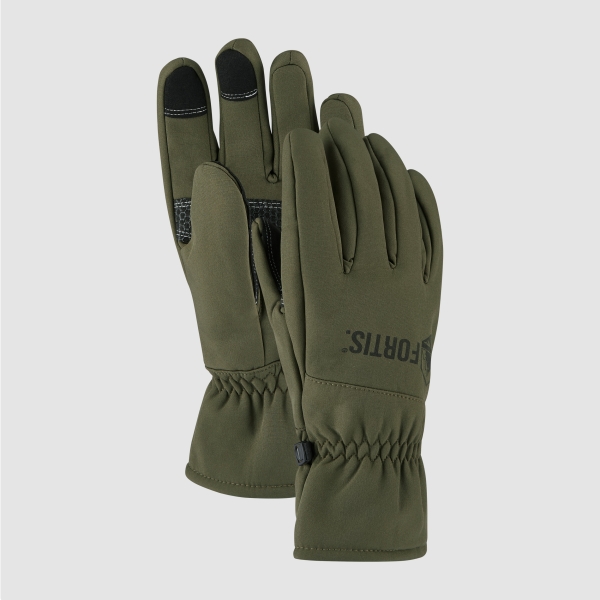
Understanding Nitrile Work Gloves
What Are Nitrile Work Gloves?
Nitrile work gloves are protective gear designed to safeguard the hands in various work environments. Made from synthetic rubber, these gloves are highly resistant to punctures, chemicals, and abrasions. Commonly utilized in industries such as manufacturing, healthcare, and construction, nitrile work gloves provide a reliable barrier that enhances both safety and performance. For those seeking effective hand protection, nitrile work gloves are often the preferred choice due to their durability and versatility.
Benefits of Using Nitrile Work Gloves
Nitrile work gloves offer several distinct advantages. These include:
- Durability: They are more resistant to rips and tears compared to latex or vinyl gloves, ensuring longer wear life.
- Chemical Resistance: Nitrile effectively blocks exposure to many chemicals, oils, and solvents, making them ideal for automotive and industrial tasks.
- Allergy-Free: Unlike latex gloves, nitrile gloves are latex-free, minimizing the risk of allergic reactions in users.
- Comfort and Fit: Nitrile gloves are flexible and conform well to the hand, allowing for a comfortable fit that enhances dexterity.
- Grip: The textured surface of nitrile gloves provides superior grip in wet or oily conditions.
Differences Between Nitrile and Other Types of Gloves
When comparing nitrile gloves to other types such as latex and vinyl, several key differences emerge:
- Material Composition: Nitrile is a synthetic rubber, while latex is derived from natural rubber. Vinyl gloves are made from PVC.
- Protection Level: Nitrile offers better barrier protection against punctures and chemicals than vinyl gloves.
- Comfort: While latex gloves may provide a softer feel, nitrile gloves offer enhanced puncture and tear resistance.
Key Features to Look For
Material Quality and Durability
The quality of nitrile used in glove production significantly affects durability. Higher quality nitrile indicates better resistance to punctures, chemicals, and joins seamlessly to fabric for a snug fit. Always look for specifications that mention compliance with safety standards, ensuring adequate protection.
Size and Fit
Glove size is crucial for optimal protection and dexterity. Ill-fitting gloves can lead to accidents or decreased efficiency. Choose from various sizes and consider trying multiple brands to ensure you find a glove that fits well, providing both comfort and functionality.
Grip and Dexterity
A key feature of nitrile work gloves is their textured surface, designed to enhance grip. This is especially important in environments where objects may be oily or wet. Gloves that offer a good combination of grip and dexterity allow workers to complete tasks efficiently without compromising safety.
Applications and Safety Standards
Industries That Use Nitrile Work Gloves
Nitrile work gloves have diverse applications across various industries:
- Medical and Healthcare: Used in hospitals and laboratories for infection control and to handle hazardous materials.
- Automotive: Suitable for mechanics who need protection against oils and chemicals.
- Food Service: Used in food preparation to maintain hygiene while handling food products.
- Construction: Provides protection against physical hazards while maintaining dexterity for tool handling.
Understanding Safety Ratings
Nitrile gloves are often tested to meet industry safety standards, which may include ANSI, ASTM, or EN standards. Familiarizing yourself with these ratings helps ensure you’re selecting the right gloves for your specific requirements, focusing on features like cut resistance and chemical protection.
Complying with Industry Regulations
Employers have a legal obligation to protect workers, which includes providing appropriate personal protective equipment (PPE) like nitrile work gloves. Adhering to regulations set forth by OSHA and other safety bodies is critical not only for legal compliance but for promoting a safe working environment.
Choosing the Right Nitrile Work Gloves for Your Needs
Assessing Your Environment
Every work environment presents unique challenges. Assess potential hazards in your workplace to determine the appropriate level of glove protection. Consider factors such as exposure to chemicals, cuts, and physical workloads when selecting your nitrile work gloves.
Matching Gloves to Tasks
Different tasks require different gloves. For instance, gloves used for handling small tools may require finer dexterity, while those for heavy-duty tasks must emphasize cut and puncture resistance. Understand the specific requirements of your tasks before making a purchase.
Bulk Purchasing Options
For businesses with high volume usage, purchasing nitrile work gloves in bulk can lead to significant savings. Many suppliers offer discounts for bulk orders, making it economically feasible to keep a steady stock of gloves for your workforce.
Frequently Asked Questions
What are nitrile work gloves made from?
Nitrile work gloves are made from synthetic rubber known for its durability, chemical resistance, and latex-free properties, ensuring user safety and comfort.
Are nitrile work gloves latex-free?
Yes, nitrile work gloves are latex-free, making them an excellent choice for those with latex allergies or sensitivities.
How do I maintain my nitrile work gloves?
To maintain nitrile work gloves, clean them with mild soap and water after use. Store them in a cool, dry place away from direct sunlight to prolong their lifespan.
Can nitrile work gloves be reused?
While nitrile work gloves are often disposable, certain types are designed for multiple uses if they remain undamaged and free from contamination.
What should I do if I have a reaction to nitrile gloves?
If you experience a reaction to nitrile gloves, discontinue use immediately. Consult a healthcare professional for guidance and consider testing for specific allergies.