Introduction to morocco travel
Morocco, a country where ancient traditions meet vibrant modernity, captivates travelers with its diverse landscapes, rich cultural heritage, and bustling markets. Whether you’re wandering through the maze-like streets of Marrakech or trekking in the Atlas Mountains, the allure of Morocco is undeniable. The unique blend of Berber, Arab, and French influences creates a striking backdrop for an unforgettable experience. For those seeking adventure, insight, or simply a change of scenery, morocco travel offers something for everyone.
Understanding the allure of Morocco
What makes Morocco a must-visit destination? The charm lies in its juxtaposition of landscapes and cultures. From the rolling Sahara dunes to the rugged Atlas Mountains, the scenery is as varied as its people. Each region boasts its own unique dialects, customs, and flavors, inviting travelers to dive deep into local life.
Additionally, Morocco’s historical context plays a key role in its allure. The country’s rich past, significantly influenced by trade routes connecting Europe, Africa, and the Middle East, is etched into its architecture and traditions. Cities like Fez, with its ancient medina, and Casablanca, with its Art Deco buildings, serve as time capsules that narrate the story of this fascinating land.
Key attractions for travelers
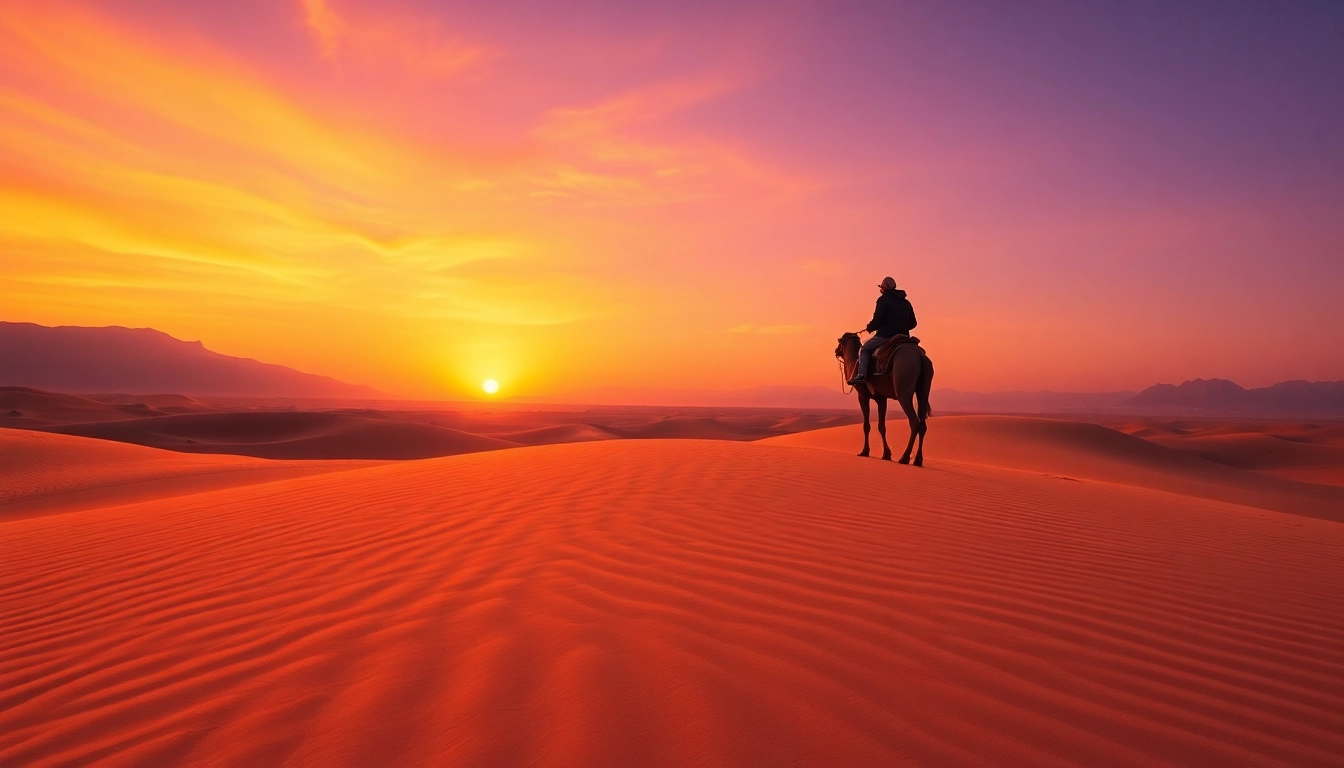
From the stunning mosaics of the Bahia Palace in Marrakech to the haunting beauty of the Kasbah Ait Benhaddou, Morocco is filled with attractions that speak to its history and culture. The coastal town of Essaouira offers windswept beaches and a chill vibe, while the blue streets of Chefchaouen enchant visitors with their otherworldly beauty. Tourist hotspots like the Sahara desert cater to those looking for adventurous camel treks and tranquil desert nights under the stars, making Morocco truly irresistible.
Best places to visit in Morocco
Must-see cities for morocco travel
Marrakech, often considered the heart of Morocco, is a bustling city that excites visitors with its vibrant souks and historical landmarks. The Jemaa el-Fnaa square offers a sensory overload of street performances, food stalls, and market vendors, immersing visitors in the local culture. Another iconic city, Fez, is an educational treasure trove, home to the world’s oldest university, Al Quaraouiyine, and the labyrinthine streets of its UNESCO-listed medina.
Casablanca, Morocco’s largest city, showcases the 20th-century architectural marvel, the Hassan II Mosque, which stands dramatically on the coastline. For a taste of tranquility and charm, the coastal city of Essaouira rewards travelers with its windswept beaches and laid-back atmosphere, offering a different perspective of Morocco’s beauty.
Hidden gems around the country
While the main cities offer a wealth of experiences, Morocco is also home to lesser-known treasures. The small town of Chefchaouen, renowned for its striking blue-painted buildings, is a haven for photographers and those seeking serenity. The Todra Gorge, with its towering cliffs, provides breathtaking views and opportunities for rock climbing and hiking. Merzouga, a small village at the edge of the Sahara, invites travelers to experience stunning sunrises and sunsets over the dunes.
Scenic landscapes and natural wonders
Morocco’s landscapes range from lush valleys to stark deserts, showcasing nature’s array of beauty. The Atlas Mountains are perfect for trekking and offer awe-inspiring vistas, while the Sahara Desert allows for unique experiences like sandboarding and star gazing amid the vast, open space. National parks such as Toubkal and Ifrane provide incredible biodiversity, with numerous trails and opportunities for wildlife sightings.
Cultural experiences in Morocco
Traditional Moroccan cuisine highlights
Moroccan cuisine is a feast for the senses. The combination of spices, ingredients, and preparation methods reflects the country’s diverse cultural influences. Must-try dishes include tagine, a slow-cooked stew usually made with chicken, lamb, or vegetables, and couscous, often served with vegetables and a variety of sauces. Street food, such as freshly made pastries and grilled meats, adds to the culinary adventure. Another highlight is mint tea, served in ornate glasses, which plays a significant role in Moroccan hospitality.
Local customs and etiquette
Understanding local customs is crucial for an enriching experience. Moroccan culture values hospitality, and it’s common to be greeted warmly. When visiting homes or traditional sites, removing your shoes is typically expected. Moreover, it is polite to use the right hand for eating or greeting, as the left is considered unclean. Engaging in respectful conversation about local traditions and showing interest in the culture can enhance interactions with locals.
Festivals and events worth attending
Morocco hosts a variety of festivals, each offering a glimpse into the country’s rich cultural tapestry. The Festival of World Sacred Music in Fez attracts performers from around the globe, celebrating diversity through art and music. The Marrakech Popular Arts Festival showcases Moroccan folk traditions, featuring music, dance, and crafts. For those interested in gastronomy, the Fes Festival of Gastronomy highlights Morocco’s culinary heritage and the importance of food traditions.
Travel tips for an unforgettable morocco travel experience
Best times to visit Morocco
The ideal time for visiting Morocco is during the spring (March to May) and fall (September to November) when temperatures are milder. Summer can be scorching, particularly in the desert areas, while winter introduces colder weather in the mountains. Planning your trip during these seasons ensures you experience the country at its finest and most comfortable.
Essential packing and preparations
When packing for morocco travel, consider the climate and cultural norms. Dress modestly, especially in rural areas and religious sites—items like long skirts or loose-fitting clothing for women and long pants for men are recommended. Comfortable walking shoes are essential for exploring cities and hiking. Don’t forget essentials such as sunscreen and a reusable water bottle to stay hydrated in the sun.
Navigating transportation options
Getting around Morocco can be an adventure in itself. Cities often have inexpensive taxis, but it’s wise to agree on a fare beforehand. Buses connect major cities and are generally a cost-effective option, although train services are comfortable and efficient for intercity travel. For a more intimate experience, consider renting a car to explore rural areas at your own pace.
Maximizing your morocco travel adventure
Engaging with local communities
To truly immerse yourself in Moroccan culture, connect with local communities. Consider staying in a riad or guesthouse instead of a hotel, as this allows for genuine interactions with hosts. Participate in workshops that showcase traditional crafts or cooking classes that highlight local cuisine, which can provide insight into the customs and daily lives of Moroccans.
Eco-friendly travel practices
Practicing sustainable tourism enhances your experience while preserving Morocco’s natural beauty. Carry reusable bags and water bottles to minimize waste, support local artisans by purchasing handmade souvenirs, and choose eco-friendly tours that prioritize conservation efforts. Being a conscientious traveler helps protect the stunning environments you traverse and contributes positively to local economies.
Capturing your memories effectively
Photographing your journey is a wonderful way to remember your experiences. Consider creating a travel journal or blog to document your adventures, cultural interactions, and culinary explorations. Always ask for permission before photographing individuals, especially in rural areas. Capture not only the sights but also the smells, sounds, and flavors that make your morocco travel experience unique.