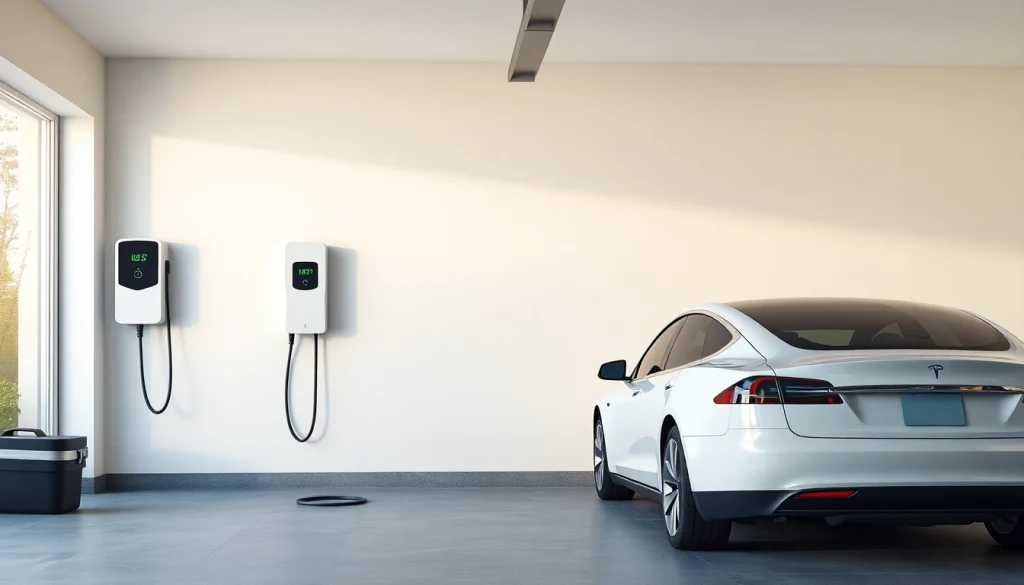
Understanding EV Charger Installation Costs in Australia
The transition to electric vehicles (EVs) is rapidly gaining momentum across Australia, and with it comes the need for efficient and reliable home charging solutions. Understanding the EV charger cost Australia landscape is essential for homeowners looking to embrace this green technology. In this comprehensive guide, we’ll delve into various factors influencing installation costs, the installation processes, and future trends in EV charging.
What Influences EV Charger Cost Australia?
Numerous factors influence the cost of installing an EV charger in Australia, making it crucial for consumers to assess their situations carefully. Key considerations include:
- Charger Type: The price of EV chargers can vary significantly depending on whether you choose a Level 2 AC charger or a Level 3 DC fast charger. Level 2 chargers are more common for home installations and typically range from $1,000 to $2,500, depending on the features and brand.
- Installation Complexity: The ease or difficulty of installation will affect labor costs. Factors such as the distance from the switchboard, required electrical upgrades, and the existing infrastructure will dictate the final price.
- Regional Differences: Installation and equipment prices can vary by region. Urban areas may have different pricing structures compared to rural areas due to labor availability and transport costs.
- Permits and Compliance: Ensuring your new charger conforms to local regulations and building codes may include additional costs for permits or inspections.
Comparing Single-Phase vs. Three-Phase Installation Costs
When considering an installation, you may need to decide between single-phase and three-phase systems. Here’s a breakdown of the differences:
- Single-Phase Installations: These are generally sufficient for most casual EV users, delivering around 7 kW of power. The installation costs are generally lower, making them an attractive option for typical households.
- Three-Phase Installations: Offering greater power supply (up to 22 kW), three-phase systems can charge EVs significantly faster. However, the initial installation costs are usually higher and might require electrical panel upgrades.
Ultimately, your choice should reflect your driving habits, vehicle type, and budget considerations.
Hidden Costs in EV Charger Installations
While many homeowners focus on upfront costs, there are hidden expenses to consider that can impact the overall financial commitment:
- Electrical Upgrades: If your home’s existing electrical system cannot handle the additional load, you may need to upgrade your switchboard or wiring, which can add hundreds to thousands of dollars to your installation cost.
- Long-term Maintenance: Some chargers may require regular maintenance or specific warranties that can incur extra costs over time.
- Consumer Education: Learning to use your charger efficiently, and understanding pricing plans from electricity providers can help mitigate costs.
The Process of Installing an EV Charger
Understanding the installation process is vital for a smooth transition to home EV charging. Here are the standard steps involved:
Step-by-Step Guide to Your Home EV Charger Installation
- Get Started: Begin by assessing your needs, evaluating your vehicle, and determining the best charger type for your home setup.
- Get a Quote: Contact a licensed electrician or installation service to discuss your requirements and receive a tailored quote based on your specific situation.
- Book Your Install: Once you approve the quote, schedule a convenient time for the installation.
- Installation Day: On the scheduled day, the electrician will install the charger, ensuring all connections are secure and compliant with safety standards.
- Ready, Set, Charge! After installation, the electrician will test the charger and provide you with a certificate of electrical safety, so you’re all set to start charging your EV.
How to Choose the Right Charger for Your Needs
Choosing the ideal EV charger is crucial for maximizing your charging efficiency. Consider the following:
- Charging Speed: Based on your daily driving habits, decide if you need a basic Level 2 charger or a faster Level 3 option.
- Features: Some chargers come equipped with smart technology, allowing for remote monitoring and scheduled charging during off-peak hours for cost savings.
- Brand Compatibility: Ensure that the charger is compatible with your vehicle’s brand for optimal performance.
Important Safety Standards and Compliance
Adhering to safety standards is non-negotiable during installation. In Australia, all EV charging equipment must comply with the Australian/New Zealand Standard (AS/NZS 3000) for electrical installations to ensure safety and reliability.
Benefits of Installing an EV Charger at Home
Integrating a home EV charger brings numerous advantages that contribute to the overall EV ownership experience.
Cost Savings on Charging vs. Traditional Fuel
Cost efficiency is one of the most compelling reasons to install a home charger. According to estimates, EV owners can save up to 70% on fuel costs compared to traditional petrol vehicles. A full charge at home can cost as little as a few dollars, significantly lower than the cost of filling a petrol tank.
Convenience of Home Charging: Time and Efficiency
Home charging offers unparalleled convenience. Instead of visiting a public charging station or gas station, EV owners can plug in their vehicles overnight. This means you start each day with a full battery, eliminating the “range anxiety” commonly associated with EV ownership.
Increasing Property Value with EV Charging Capabilities
As the demand for EVs increases, homes equipped with EV chargers are becoming more attractive to potential buyers. Installing a charger can enhance your property value, making it a smart investment.
Common FAQs About EV Charger Installation
Addressing common queries can assist EV users in making informed decisions. Here are some frequently asked questions:
How Long Does It Take to Install an EV Charger?
Generally, the installation process takes approximately 2–4 hours, depending on the complexity of the installation and the existing electrical setup in your home.
Do I Need a Special Electrical Setup for EV Charging?
While many homes can accommodate a standard home charger with single-phase power, some situations may warrant a three-phase installation, particularly for increased charging speeds.
Can I Install an EV Charger Myself?
Installing an EV charger requires specific electrical knowledge and skills. It is always advisable to hire a qualified, licensed electrician to ensure compliance with safety standards and regulations.
Future Trends in EV Charging Costs and Technology
As the EV market evolves, several trends will reshape the landscape of charging costs and technologies.
The Evolution of EV Charging Infrastructure in Australia
Australia’s charging infrastructure is continuously expanding, with more public charging stations being installed in urban and rural areas alike. This growth will offer EV users more options and influence home charging decisions.
Emerging Technologies Impacting Charger Efficiency and Cost
Breakthroughs in charging technology will likely lead to faster and more efficient chargers. Innovations such as wireless charging and ultra-fast DC charging are on the horizon, potentially altering the cost and convenience of EV ownership.
Predicting Costs: What to Expect in the Coming Years
As EV adoption increases, the cost of charging and charger installations may fluctuate based on demand, technological improvements, and regional developments. Homeowners should stay informed on these changes to make the best decisions regarding their charging needs.