
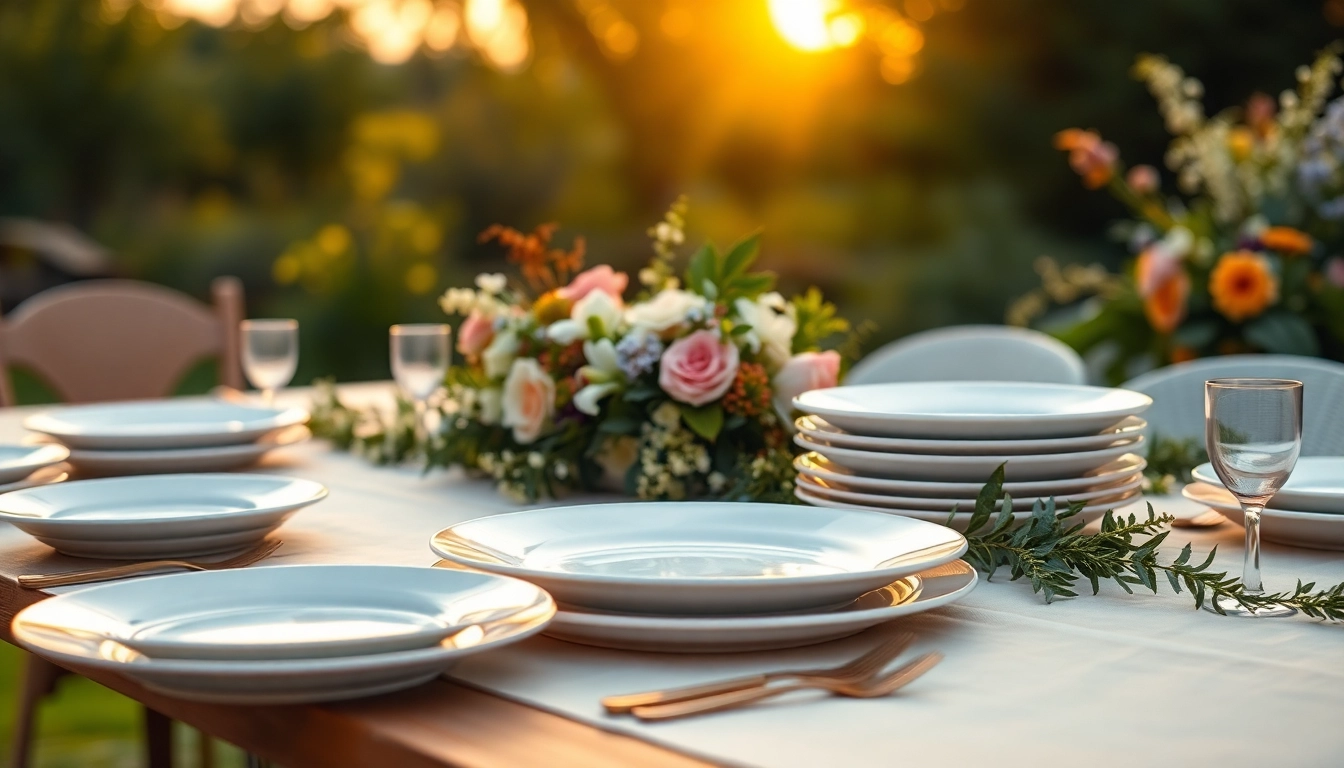
Understanding Compostable Wedding Plates
As more couples embrace sustainability in their celebrations, compostable wedding plates are gaining popularity. These eco-friendly alternatives to traditional disposable plates offer both environmental benefits and aesthetic appeal for weddings. This article will explore what compostable wedding plates are, their materials, and their broader impact on the environment.
What Are Compostable Wedding Plates?
Compostable wedding plates are typically made from biodegradable materials that break down naturally and contribute to soil health over time. They are designed to serve as a sustainable option at events, particularly weddings, where waste can accumulate significantly. Unlike conventional plastic plates, these eco-friendly alternatives do not leave a detrimental impact on the earth.
Benefits of Using Compostable Wedding Plates
There are numerous advantages to choosing compostable wedding plates for your special day. These benefits include:
- Environmental impact: Reducing plastic waste helps protect ecosystems and minimizes landfill contributions.
- Health benefits: Using natural materials reduces the risk of harmful chemicals leaching into food.
- Aesthetic appeal: Compostable plates come in a variety of attractive designs that can complement your wedding theme.
- Convenience: Often disposable, these plates can save on cleaning time.
- Support for sustainable practices: Choosing compostable options encourages the use of renewable resources.
Materials Used in Compostable Wedding Plates
Compostable plates are crafted from various biodegradable materials. The most common include:
- Bamboo: A durable and stylish option that offers a natural aesthetic and strength.
- Bagasse: A byproduct of sugarcane processing that is compostable and offers a sturdy structure.
- Palm leaves: Eco-friendly plates that are both elegant and resilient.
- Pulp: Made from recycled paper and often used for a softer look.
Factors to Consider When Selecting Compostable Wedding Plates
Size and Type of Plates for Your Guests
Choosing the correct size and type of plates is crucial for a smooth dining experience. Consider the menu: more substantial foods may require sturdier options like bamboo or palm leaf plates, while salads and appetizers can be served on more delicate paper pulp dishes. Aim to provide variety—dinner plates, dessert plates, and smaller options for hors d’oeuvres.
Design and Aesthetic Appeal
Your wedding’s theme and color scheme should guide your selection of compostable plates. Options range from rustic and natural to sleek and modern. Consider the following design elements:
- Color: Choose colors that blend seamlessly with your table settings.
- Shape: Round, square, or unique shapes can add character to your table.
- Textures and patterns: Subtle designs can enhance the elegance of the presentation.
Cost Considerations for Eco-Friendly Options
While the initial investment in compostable plates may be higher than traditional plastic options, the long-term benefits outweigh costs. Pricing can also vary significantly based on the materials used and purchase quantities. Consider bulk purchasing to scale down costs, or opt for mixed materials to stay within budget while providing a mix of aesthetics and functionality.
Popular Types of Compostable Wedding Plates
Bamboo and Palm Leaf Plates
Bamboo and palm leaf plates are popular for their durability and organic appeal. Sassafras and dense bamboo fibers create a resilient structure capable of handling heavier meals. Palm leaf plates, on the other hand, are unique in their luxurious appearance, often resembling fine china while remaining completely biodegradable.
Bagasse and Sugarcane Plates
Bagasse, the fibrous material left after sugarcane juice extraction, results in sturdy plates that biodegrade swiftly. This option is excellent for both hot and cold dishes, ensuring versatility for different wedding menus. Sugarcane plates are also appealing for their sleek, modern look.
Paper-based Compostable Plates
Paper-based dishes typically feature eco-friendly inks and dyes, presenting a safe alternative for food services. These plates are generally lower in cost while offering a wide range of designs that cater to many wedding aesthetics, making them ideal for budget-conscious couples.
How to Incorporate Compostable Wedding Plates in Your Wedding
Setting Up a Sustainable Buffet
A sustainable buffet is an excellent approach to minimize food waste. Arrange a variety of dishes on your compostable plates, ensuring that they are easily accessible. Label each dish to inform guests about vegan, gluten-free, or allergen options.
Pairing Plates with Eco-Friendly Cutlery
To enhance sustainability, pair your compostable plates with eco-friendly cutlery made from materials like bamboo or cornstarch. Ensuring that all serving is environmentally friendly creates a consistent message of sustainability.
Creative Presentation Ideas
Enhance the visual appeal of compostable plates by utilizing decorative elements. Flowers, greens, or even decorative napkins can accentuate the natural look. Display plates on vintage trays for a rustic charm or layer plates with matching colors and textures to create a cohesive look.
Frequently Asked Questions About Compostable Wedding Plates
Are compostable wedding plates biodegradable?
Yes, compostable wedding plates are made from biodegradable materials that break down naturally in composting conditions.
How long do compostable wedding plates take to decompose?
Compostable plates typically take 60-90 days to break down in a composting environment, depending on specific conditions.
Can I use compostable plates for hot foods?
Yes, many compostable plates, like those made from bagasse and bamboo, are safe for hot foods without compromising structural integrity.
Where can I buy compostable wedding plates?
Compostable wedding plates can be purchased from various online retailers, specialty eco-friendly stores, and some local supermarkets.
Are compostable plates safe for food?
Yes, compostable plates are designed with food safety in mind, using materials certified for direct food contact.