Understanding Smartphone-Gimbals: What You Need to Know
As the world of videography continues to evolve, the demand for high-quality, stable footage has never been greater. This is where the Smartphone-Gimbal comes into play, offering a solution for amateur and professional videographers alike. These compact devices enable users to capture smooth, steady shots while on the go, transforming handheld filming into a professional-grade experience. In this guide, we’ll dive deep into the fundamentals of smartphone gimbals, their features, misconceptions, and how they can enhance your videography skills.
1.1 The Basics of Smartphone-Gimbals
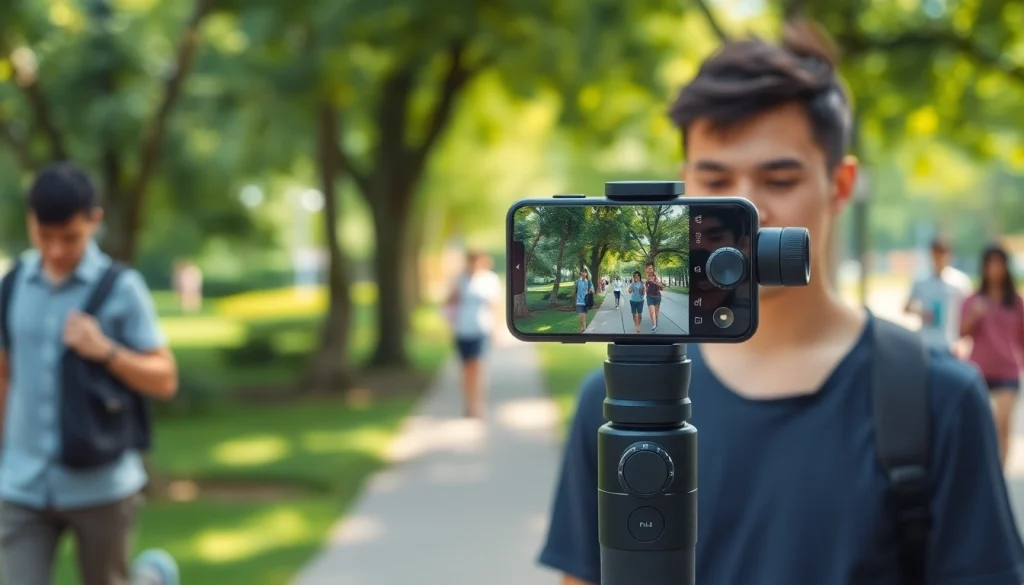
A smartphone gimbal is a mechanical device designed to stabilize your phone while shooting videos or taking photos. Using a series of motors and sensors, gimbals counteract unwanted movements, ensuring that your shots remain steady, even in dynamic environments. This level of stabilization is critical for capturing high-quality video, especially in fast-paced settings like sports, travel, or live events.
1.2 Key Features to Look For
- 3-Axis Stabilization: Most high-quality gimbals utilize three axes of movement to effectively counteract the user’s movements, resulting in smoother footage.
- Battery Life: A long battery life is essential for extended shooting sessions. Look for gimbals that offer at least 12 hours of operation.
- Weight and Portability: Lightweight designs can make a significant difference when filming for long periods. Ensure that your gimbal is easy to carry and set up.
- Smartphone Compatibility: Check if the gimbal is compatible with your smartphone’s size and weight to avoid any issues during shooting.
- App Integration: Many gimbals come with companion apps that allow for advanced features like motion tracking and time-lapse settings.
1.3 Common Misconceptions About Gimbals
Despite their popularity, there are several misconceptions surrounding smartphone gimbals. One common myth is that they’re only for professional filmmakers. In reality, gimbals are designed for anyone looking to enhance their video quality, from casual users to influencers. Another misconception is that they are complicated to use; however, most modern gimbals are user-friendly, with intuitive controls and helpful tutorials to assist beginners.
Choosing the Right Smartphone-Gimbal for Your Needs
When selecting a smartphone gimbal, it’s vital to assess your specific filming requirements and budget. The market is teeming with options, making it essential to compare various models to find the one that best suits your needs.
2.1 Comparing Popular Models in 2025
As of 2025, several models stand out for their features and performance. Popular choices include:
- DJI Osmo Mobile 7: Known for its advanced stabilization and user-friendly design. It features a built-in extension rod and native tracking capabilities.
- Insta360 Flow 2 Pro: This gimbal excels in delivering high-quality footage with AI-powered features like tracking and 360-degree filming.
- Hohem iSteady V3: A budget-friendly option that offers solid stabilization and impressive battery life at a lower price point.
2.2 Budget Considerations and Recommendations
While high-end gimbals offer premium features, there are excellent budget options available that deliver impressive stabilization without breaking the bank. Consider how often you plan to use a gimbal and what features are most important to you when making a purchase decision.
2.3 User Needs vs. Gimbal Features
Understanding your filming style is crucial in choosing the right gimbal. For instance, vloggers may prioritize lightweight and portable designs, while filmmakers might need more advanced features like customizable settings and better stabilization technology. Identifying your specific needs will help narrow down the perfect gimbal for your style.
Tips for Using Your Smartphone-Gimbal Effectively
Maximizing the potential of your smartphone gimbal requires practice and knowledge. Here are some tips to ensure you get the most out of this valuable tool.
3.1 Best Practices for Filming with a Gimbal
- Calibrate Your Gimbal: Always calibrate your gimbal before shooting to ensure it stabilizes efficiently.
- Use a Wide Aperture: Filming with a wide aperture helps in achieving a cinematic look and focuses the viewer’s attention on your subject.
- Maintain a Consistent Speed: When moving with your gimbal, maintain a steady pace to achieve smooth transitions and shots.
3.2 Common Mistakes and How to Avoid Them
Many users make the mistake of rushing their shots. Take your time to frame each shot properly and avoid sudden movements that could negate the gimbal’s stabilization. Additionally, ensure that your smartphone is securely mounted to prevent any falls or damage during filming.
3.3 Advanced Techniques for Professional Results
Explore techniques like panning, tracking, and using the gimbal in various shooting scenarios to elevate your videography. Experimenting with different angles and movements will help you discover new creative possibilities for your footage.
Real-World Applications of Smartphone-Gimbals
The versatility of smartphone gimbals makes them suitable for a wide array of applications, particularly in content creation and event filming.
4.1 Gimbals in Vlogging and Content Creation
For vloggers, a smartphone gimbal can significantly enhance video quality, making content more engaging and professional. The ability to shoot stable footage while walking or moving creates a seamless viewing experience for audiences.
4.2 Filming Events: Tips and Tricks
When covering events, use your gimbal to capture candid moments without disturbing participants. This allows for a natural flow of footage that showcases the event’s atmosphere and audience reactions.
4.3 Case Studies: Successful Gimbal Users
Many creators have thrived using smartphone gimbals. For instance, travel vloggers often utilize gimbals to capture scenic landscapes and urban environments, providing viewers with immersive experiences. Successful filmmakers also employ gimbals to achieve smooth transitions and dynamic shots that would otherwise be challenging to film.
The Future of Smartphone-Gimbals and Videography Trends
The landscape of videography continues to change, driven by technology innovations and shifting user needs. Understanding these trends is vital for any content creator looking to stay ahead.
5.1 Emerging Technologies in Gimbal Design
Future gimbals are expected to incorporate more advanced technologies, such as enhanced AI features for improved tracking and automated filming techniques. This allows creators to focus on their craft without worrying about the technicalities.
5.2 The Role of AI in Gimbal Functionality
Artificial Intelligence is set to revolutionize how gimbals operate, with features like real-time scene detection and auto-framing, making it easier for users to capture high-quality content effortlessly.
5.3 Predictions for 2025 and Beyond
Looking forward, we can expect even more integration between smartphones and gimbals, potentially leading to new forms of storytelling and creative expression. The demand for mobile content will continue to grow, making gimbals an indispensable tool for creators across various platforms.