Understanding K-Pop: The Global Phenomenon
K-Pop, an abbreviation for Korean Pop music, has transcended geographical boundaries to become a global phenomenon. It’s not simply a music genre, but a cultural juggernaut that encompasses fashion, dance, and the intricate lives of idol performers. Over the years, K-Pop has opened up a rich landscape of artistic expression and community engagement, igniting the passions of millions worldwide. Its captivating melodies, striking visuals, and meticulously crafted performances invite fans to immerse themselves in a vibrant universe. This article delves into the roots, culture, impact, and future trends of K-Pop, providing a comprehensive exploration of this amazing genre. For further insights and updates about K-Pop, check out https://www.kpopangel.com.
Roots of K-Pop: History and Evolution
The origins of K-Pop can be traced back to the early 1990s, influenced by a blend of Western music styles and traditional Korean sounds. Initially, groups like Seo Taiji and Boys broke the traditional mold of Korean music by incorporating elements of hip hop, rock, and dance. This marked the birth of modern K-Pop, where creativity, production quality, and performer charisma became paramount.
As the years progressed, K-Pop evolved, typified by the emergence of various idol groups, such as H.O.T, S.E.S, and Sechs Kies, who dominated the late ’90s and early 2000s. These idols not only sang but also danced, acted, and engaged with fans through various media, setting a template for future idols. Furthermore, the internet and social media played a crucial role in K-Pop’s global reach, allowing fans beyond Korea to discover and support these artists.
Key Elements That Define K-Pop Culture
K-Pop is not just music, but a cultural experience brimming with key elements that define its appeal. Components such as unique fashion styles, choreographed dance routines, visually striking music videos, and story arcs that unfold across albums play significant roles in engaging fans.
- Fashion and Aesthetics: K-Pop idols are known for their distinctive styles, often setting trends that permeate the fashion world. Fans are drawn to the vibrant aesthetics that define K-Pop.
- Choreography: Dance is an integral part of K-Pop. The choreography is usually complex, synchronized, and visually captivating, emphasizing performance quality.
- Conceptual Storytelling: Many K-Pop releases revolve around overarching concepts, with music videos that narrate a story. This creates a connection with fans who want to explore deeper themes.
Global Reach and Influence of K-Pop
Today, K-Pop’s influence spans continents, attracting fans from diverse cultures. The advent of platforms like YouTube and Spotify allowed K-Pop music to seep into international markets, catalyzing a wave of popularity that continues to grow. Concerts, fan meetings, and merchandise sales contribute significantly to the economic fabric of local markets in various countries. Korean Wave or “Hallyu” has made K-Pop synonymous with Korean culture globally, encouraging cultural exchanges and collaborations across industries.
Community Engagement in K-Pop Fandom
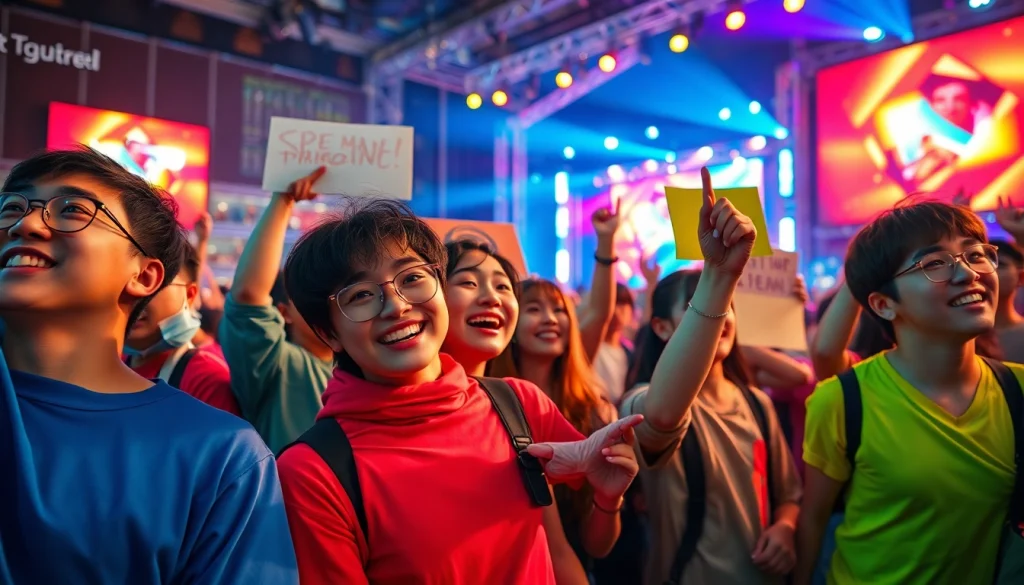
The K-Pop fandom is renowned for its vibrant and passionate community engagement. From social media interactions to organized fan projects, the sense of belonging within the K-Pop community is deep-rooted and impactful.
The Role of Social Media in K-Pop
Social media platforms have revolutionized how fans interact with K-Pop artists and with one another. Twitter, Instagram, TikTok, and Weverse serve as virtual arenas for fans to express their loyalty, celebrate achievements, and participate in discussions. For instance, trending hashtags related to comebacks, music show wins, or the release of new content galvanize massive online participation and visibility.
Fan Projects and Their Impact
Fan projects are a testament to the dedication and creativity of K-Pop fans. These projects range from organized charity events to elaborate birthday celebrations for idols. Fans actively collaborate to plan fundraising efforts that often benefit various causes, showcasing the power of K-Pop fandom not only in entertainment but also in social responsibility. These projects bolster relationships between artists and their fanbases, creating mutual respect and admiration.
Connecting Through Fan Events
Fan events such as concerts, fan meetings, and pop-up exhibitions allow fans to connect with their idols in person, creating unforgettable experiences. Events foster a sense of community among fans and offer idols opportunities to express their gratitude towards supporters. Moreover, these events can significantly enhance an artist’s brand loyalty, amplifying their reach and deepening their impact on local and global markets.
The Industry Behind K-Pop
The K-Pop industry operates through a unique ecosystem that involves various entertainment agencies, rigorous training systems, and marketing strategies to cultivate idol success.
Entertainment Agencies and Their Strategies
K-Pop idols are often products of entertainment agencies that play a critical role in shaping their careers. Agencies like SM Entertainment, YG Entertainment, and JYP Entertainment employ intensive marketing strategies that include branding, image management, and artist development. These agencies are known for launching highly anticipated group comebacks that incorporate intricate promotional campaigns, utilizing teasers, concept photos, and extensive social media outreach.
Training and Development of Idol Groups
The training process for K-Pop idols is rigorous and demanding. Aspiring idols undergo years of training in vocal performance, dance, stage presence, and public speaking. This immersive training period is often referred to as “trainee life,” where individuals hone their skills while competing for a debut opportunity. The dedication exhibited by these trainees lays the groundwork for delivering high-quality performances and fostering a strong work ethic.
Economic Impact of K-Pop on Local Markets
K-Pop contributes significantly to South Korea’s economy, influencing various sectors, including tourism, fashion, and technology. The influx of global fans attending concerts boosts local businesses and promotes cultural tourism in Korea. Furthermore, the rise of K-Pop has encouraged local fashion designers, makeup brands, and technology firms to create products that cater to this demographic, illustrating the interconnectedness of the K-Pop industry with local markets.
K-Pop Fan Culture: A Deep Dive
K-Pop fan culture is a complex web of interactions, rituals, and merchandise that showcases the unique dynamics present within fandoms. This culture has a profound effect on both personal identities and larger social movements.
Fan Interactions and Fan Culture Dynamics
The dynamics among K-Pop fans are diverse and multifaceted. Fans often engage in friendly rivalries between different groups, sharing a collective identity while simultaneously fostering competition. This competitive spirit can elevate engagement levels, resulting in passionate voting drives for music show wins or streaming parties to optimize views on music platforms.
Merchandise and Collectibles in K-Pop
Merchandise and collectibles form an essential aspect of K-Pop fandom. Idols frequently release albums accompanied by photobooks, posters, and limited edition items, which generate excitement and drive fervent purchases among fans. Collecting these items becomes a source of pride and fulfillment and fosters community as fans exchange or showcase their collections in online forums.
The Ethics of Fan Support and Charity
As K-Pop fandoms grow, ethical considerations surrounding support practices have emerged. Many fans engage in charity initiatives to align their efforts with the values represented by their idols, lending legitimacy to the notion of modern fandoms as platforms for social impact. Discussions on ethical engagement raise awareness regarding responsible fan behavior, encouraging fans to derive fulfillment from acts that uplift communities rather than contribute to unhealthy consumption patterns.
Future Trends in K-Pop
The K-Pop landscape is continually evolving, embracing technological innovations and changing audience preferences. As K-Pop artists and agencies adapt, certain trends are gaining momentum that may redefine the industry’s future.
Technological Innovations in Music Distribution
Advancements in technology are redefining how K-Pop music is distributed and consumed. The rise of digital streaming platforms has enabled fans to access music from anywhere in the world, breaking geographical barriers. Moreover, concepts such as virtual concerts and augmented reality experiences have started to emerge, offering fans innovative ways to engage with their favorite artists. This intersection of technology and fandom is likely to shape new modes of distribution and fan interaction.
Emerging Artists and Upcoming Trends to Watch
As K-Pop continues to grow globally, new artists are entering the scene, bringing fresh styles and perspectives. The diversification of genres within K-Pop, meeting the demands of various audiences, is set to foster a new wave of creativity and fanbase expansion. Monitoring developments in these emerging artists will provide insights into the evolving nature of K-Pop and fuel excitement among fan communities.
Sustainability Practices in the K-Pop Industry
As awareness of global environmental issues heightens, the K-Pop industry is beginning to adopt more sustainable practices. From eco-friendly merchandise to green concert initiatives, artists and agencies are taking significant steps towards reducing their environmental impact. This emerging focus on sustainability resonates with younger fans who prioritize environmentally conscious choices, making sustainability a key trend in the future of K-Pop.