
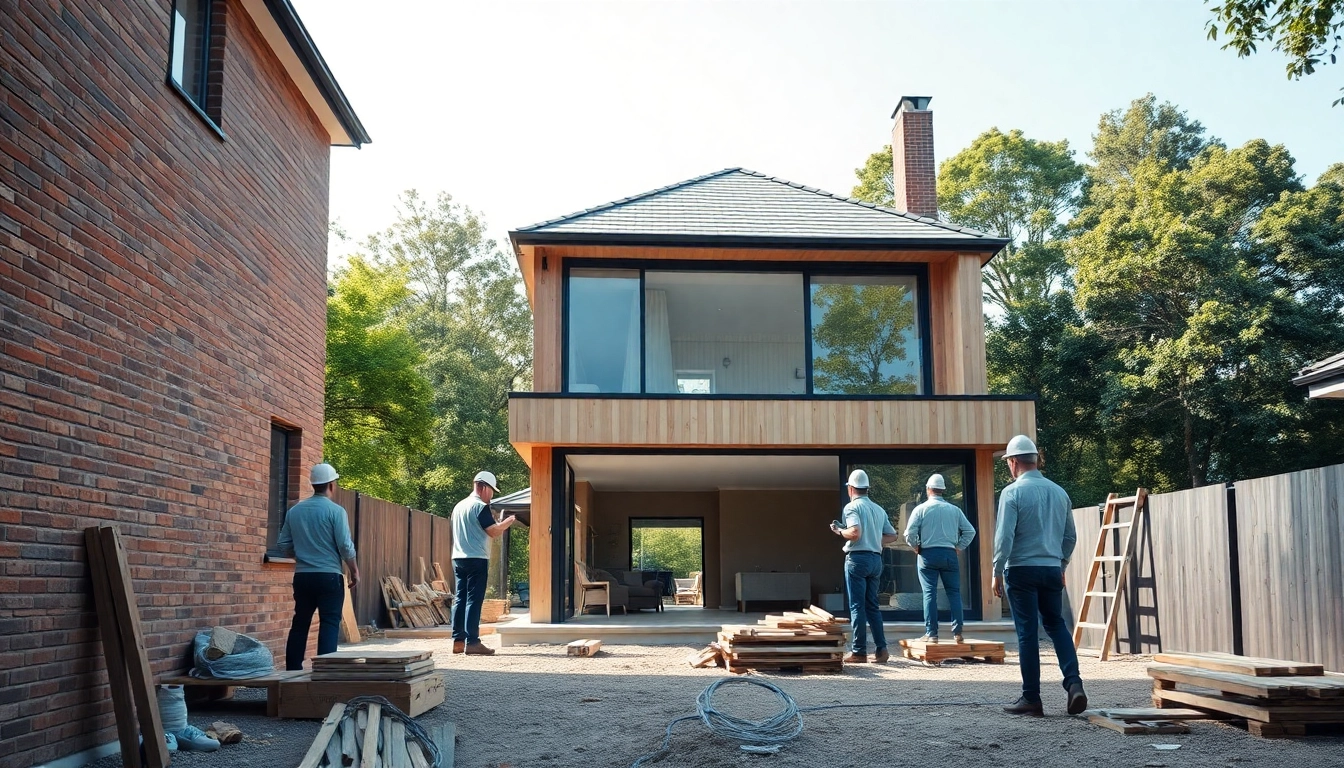
Understanding House Extension Construction
House extension construction is a significant undertaking, providing opportunities to enhance living spaces, improve property values, and cater to changing family needs. Whether you’re considering an upward extension to add an extra floor or an outward expansion to create more living space, understanding the intricacies of building an addition to your home is essential. When exploring options, house extension construction presents various possibilities tailored to your lifestyle.
What Is House Extension Construction?
House extension construction refers to the process of adding to an existing structure to increase its usable space. This could involve adding extra rooms, creating open-plan areas, or expanding specific rooms like kitchens or bathrooms. The design and execution of these projects can vary significantly based on the style of the home, local building codes, and the homeowner’s personal preferences.
Extensions can take many forms, such as single-story expansions, second-floor additions, or even converting existing spaces like lofts and basements into livable areas. Each type of extension has its complexities and will require thorough planning and skilled labor to execute successfully.
Benefits of House Extensions for Homeowners
- Increased Space: A well-executed extension provides not just additional square footage but also new possibilities for how you use your home, enhancing daily living.
- Enhanced Property Value: Extensions often lead to increased property values, making it a smart investment, particularly in growing markets like Melbourne.
- Adaptability: An extension allows for customization, ensuring the new space meets the unique needs of your family, whether it’s for a growing family, home office, or a recreational area.
Key Considerations Before Starting Your Project
Before embarking on a house extension, several factors need careful consideration. These include assessing the current structure’s integrity, the local council’s regulations, and your budget. Understanding these elements will help set the foundation for a successful project.
Planning Your House Extension
Identifying Your Needs and Goals
The first step in planning is to clearly define your needs. Are you looking for additional bedrooms, a larger kitchen, or perhaps a home office? Understanding the purpose of the extension will guide the design process. Discuss your goals with your builder to create a tailored plan that aligns with your vision.
Budgeting for Your House Extension Construction
Budgeting is crucial for any construction project. Begin by determining how much you can afford and what financing options are available. Potential costs include not just the construction materials and labor, but also permits, design fees, and finishing touches. Working closely with your builder will help you create a realistic budget.
Understanding Permits and Legal Regulations
Building regulations can vary significantly depending on your location. In Melbourne, obtaining the necessary permits is crucial to ensure compliance with local laws. Your builder can assist in this process, helping you navigate legal complexities to avoid costly delays.
The House Extension Construction Process
Consultation and Design Development
The extension process begins with an initial consultation, where you discuss your needs, budget, and timeline with your builder. During this phase, detailed designs are developed based on your requirements, with consideration given to the overall aesthetic of your home.
Site Preparation and Initial Work
Once designs are finalized, site preparation begins. This includes clearing the area where the extension will be built, which may involve demolishing existing structures or landscaping adjustments. Establishing a solid foundation is crucial for the longevity and stability of the extension.
Construction Phases Explained
- Framing and Structural Work: The structural framework is constructed next, including walls, roof, and support systems.
- Electrical and Plumbing Installation: Critical systems are installed to ensure the extension is functional, particularly in areas like kitchens and bathrooms where utilities are essential.
- Internal Finishing: Finally, work will focus on interior design elements such as walls, flooring, and fixtures, ensuring the new space is habitable and meets your aesthetic standards.
Choosing the Right Builder for Your Extension
What to Look For in a Builder
Finding the right builder is crucial for the success of your extension. Look for builders with a strong reputation and experience in house extensions. Quality of work, reliability, and a solid portfolio can indicate a builder’s capabilities.
Evaluating Builder Portfolios and References
Scrutinizing a builder’s portfolio can provide insight into their style and quality of work. Additionally, asking for references and speaking to previous clients can help gauge satisfaction levels and reliability.
Questions to Ask During Consultations
When meeting with potential builders, prepare a list of questions that address your concerns about the project. Inquire about timelines, warranty options, and how they handle unforeseen issues that may arise during construction.
Cost Breakdown and Budgeting Tips
Average Costs of House Extensions in 2025
The cost of house extensions can vary widely based on factors such as location, size, and the complexity of the design. On average, homeowners in Melbourne can expect to pay between AUD 1,900 to AUD 2,400 per square meter for single-storey extensions. For multi-storey or more complex builds, costs can increase significantly.
Cost-saving Strategies Without Compromising Quality
To keep costs under control, consider some cost-saving strategies like:
- Opting for a simpler design to minimize labor and materials.
- Using cost-effective materials that offer durability and style.
- Pooling resources with neighbors for shared contractor costs on adjacent projects.
Financing Options for Your Extension Project
Several financing options can make your house extension more affordable, including home equity loans, personal loans, or construction financing. It’s essential to evaluate each option to determine what’s best for your financial situation.
Conclusion
A house extension construction project can transform your living environment, allowing for enhanced space and increased functionality. By understanding key aspects such as planning, budgeting, and choosing the right builder, you can navigate the complexities of extension work with confidence. As you embark on this journey, remember that a well-thought-out extension not only adds value to your property but also enhances your quality of life. Start planning today, and enjoy the benefits of an expanded and improved living space!