As the interest in custom firearms continues to grow, many enthusiasts are turning to innovative solutions such as polymer 80 kits for building their own firearms. These kits allow individuals to create personalized weapons tailored to their unique specifications, offering not only a rewarding hobby but also the practicality of owning firearms with custom features. In this comprehensive guide, we will delve into what polymer 80 kits are, the legal considerations surrounding them, an in-depth assembly process, and the benefits of customization.
Understanding Polymer 80 Kits
What is a Polymer 80?
Polymer 80 refers to a category of firearm components that enables gun enthusiasts to build their own guns from an incomplete frame. The name “80 percent kit” indicates that these kits are not fully machined, but rather allow for additional finishing, making them legal to purchase without requiring the same regulations as completed firearms. This practice of building firearms from kits has surged in popularity due to the personalization options and hands-on experience it offers to users.
Overview of the Polymer 80 Kits
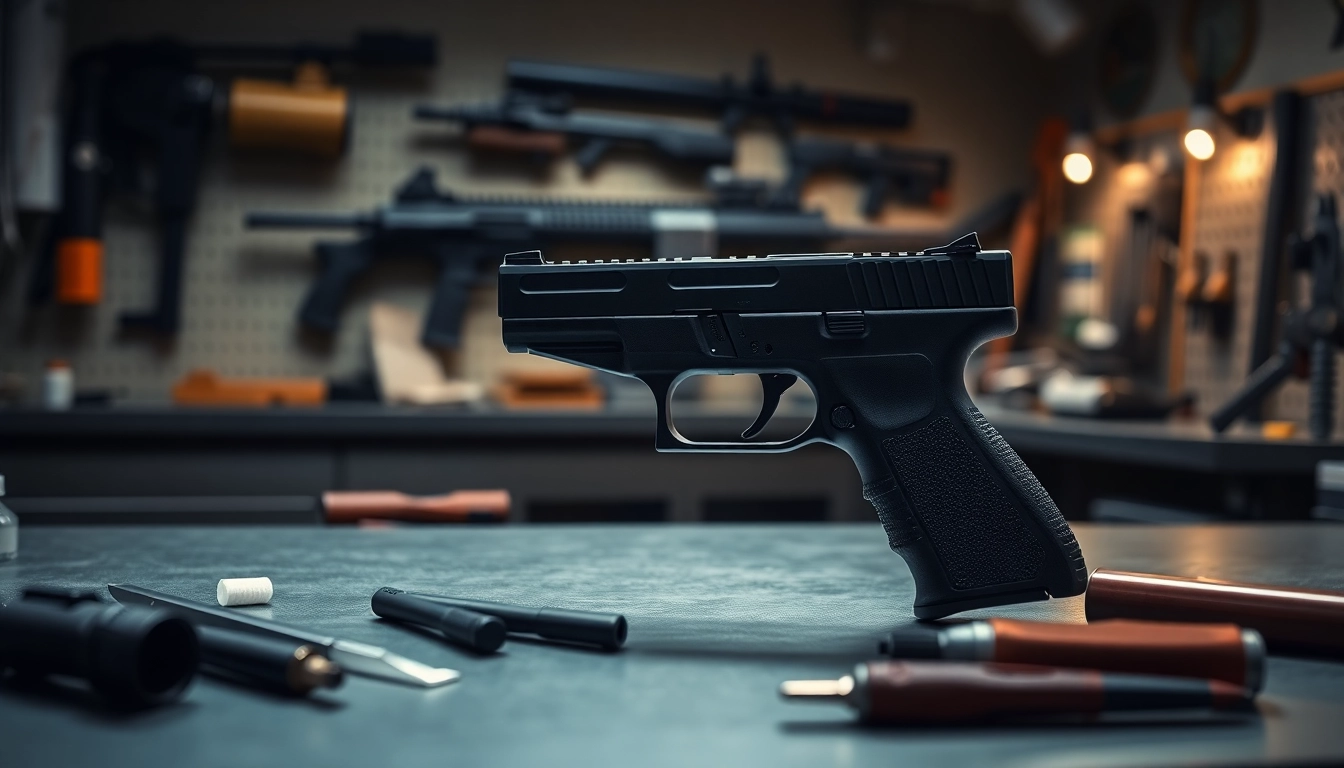
A polymer 80 kit typically includes an unfinished receiver or frame, along with all necessary parts for completion. The kits are designed to be user-friendly, often includes guides and step-by-step instructions to facilitate the assembly process, allowing individuals with varying levels of experience to successfully complete their firearm. These kits can be customized to match desired performance specifications and aesthetic preferences.
Components of Polymer 80 Kits
A standard polymer 80 kit usually contains the following components:
- Frame/Receiver: The central component designed to house the firearm’s core mechanisms.
- Parts Kit: Includes essential components such as the trigger assembly, slide, and barrel.
- Jig: A tool that aids in the drilling and machining process of the lower receiver to achieve the correct dimensions.
- Instruction Manual: Provides detailed guidance on assembly and legal compliance.
Legal Considerations for Polymer 80 Kits
Current Regulations in the USA
In recent years, regulations regarding polymer 80 kits have become more stringent in various jurisdictions across the United States. Generally, federal law governs the sale and manufacturing of firearm components, but individual states may impose additional requirements. It is imperative to consult local laws regarding the possession, purchase, and assembly of polymer 80 kits prior to initiation. The legality of these kits varies significantly from state to state, with some prohibiting their use altogether while others allow for their assembly under specific guidelines.
State-Specific Laws Affecting Polymer 80
States such as California and New York have adopted stricter laws affecting the use of polymer 80 kits, often categorizing them similarly to ghost guns. For example, completing a polymer 80 lower is illegal in California, additionally requiring a background check for those wishing to build their own firearms. Compliance with state regulations is not only essential for legal ownership but also reinforces responsible firearm handling practices.
Implications of Noncompliance
Failure to comply with the legal requirements associated with polymer 80 kits can result in severe penalties, including hefty fines and potential imprisonment. Enthusiasts should educate themselves on applicable laws to avoid inadvertent violations. Furthermore, maintaining compliance builds community trust and contributes to safer hobbyist practices among firearm enthusiasts.
Steps to Build Your Polymer 80
Preparation and Required Tools
Before beginning the assembly of a polymer 80 kit, be sure you have the right environment and tools. A clean, well-lit workspace is crucial, as is an organized toolset. Essential tools typically include:
- Drill press or hand drill
- Rotary tool (Dremel) for finishing
- Files and sandpaper
- Clamps to hold the jig securely
- Screwdrivers and wrenches for assembly
Step-by-Step Assembly Process
- Preparation: Unpack the polymer 80 kit and thoroughly read the instruction manual.
- Install the Jig: Secure the jig onto the lower receiver, ensuring it is firmly clamped and stable.
- Drilling: Carefully drill the required holes as indicated in the instruction manual. Precision is key.
- Finishing: Use the rotary tool to shape the frame and correct any imperfections, followed by sanding the edges for a smooth finish.
- Assemble Components: Install the parts kit, including the trigger assembly and slide, following the detailed guides provided.
- Final Inspection: Test the mechanism to ensure everything operates smoothly before proceeding to the final steps.
Finishing Techniques and Tips
Finishing your polymer 80 kit can be an exciting aspect of the assembly process. Consider using techniques such as:
- Duracoat and Cerakote: These coatings can enhance the appearance and durability of your firearm.
- Custom Designs: Engraving or painting options can personalize your build further.
- Surface Treatment: Applying clear coats or texturing can improve grip and handling.
Be mindful of the weight and balance of any enhancements made to ensure that they complement the firearm’s original design.
Benefits of Customizing Polymer 80 Builds
Advantages of Custom Firearms
Custom firearms offer significant advantages, from improved fit and function to enhanced aesthetics. Enthusiasts building their own firearms can select features that meet their precise needs, such as grip angle, trigger type, and even colors. This personal touch fosters a deeper connection to the finished product while often improving performance through tailored specifications.
Exploring Personalization Options
The world of personalization is vast and offers numerous options for enthusiasts. Consider choices such as:
- Grip Enhancements: Custom grips for better ergonomics.
- Sights: Upgrading sights for better accuracy based on intended use.
- Barrels and Triggers: Custom barrel lengths and trigger pulls tailored for precision shooting.
Such personalization options not only enhance usability but also allow for customization that reflects individual style and preferences.
Enhancing Performance Features
Performance enhancements can significantly affect how a firearm operates. Options such as upgraded recoil springs, compensators, and optics can improve accuracy and shot follow-up, making for a more proficient shooting experience. Research and experimentation with modifications can lead to discovering optimal setups tailored to specific uses, whether that be competition shooting, self-defense, or recreational use.
FAQs About Polymer 80 Kits
Are Polymer 80 Kits Still Legal?
Regulations vary by state, but polymer 80 kits remain legal in many regions. Always check local laws before purchasing or assembling.
What Materials are Used in Polymer 80 Kits?
Polygon 80 kits are generally made from high-quality polymer, designed for durability and strength, ensuring a robust firearm once assembled.
Can You Sell a Finished Polymer 80?
Selling a finished polymer 80 is legal in many areas; however, it may require serialization and following legal stipulations. Always check local regulations.
What Are the Risks of Building a Polymer 80?
Challenges include potential legal issues, incorrect assembly, and performance limitations. Proper research and adherence to guidelines mitigate these risks significantly.
How to Maintain Your Polymer 80 Frame?
Regular cleaning, lubrication, and inspections ensure longevity. Follow standard firearm maintenance practices to keep your polymer 80 in optimal condition.