Introduction to Structural Steel Fabrication
Structural steel fabrication plays a pivotal role in the construction and engineering sectors, transforming raw metal into vital components of modern infrastructures. It involves a series of processes that reshape steel materials into functional forms that meet specific design requirements. From skyscrapers to bridges, the significance of structural steel fabrication is evident in every major construction project.
What is Structural Steel Fabrication?
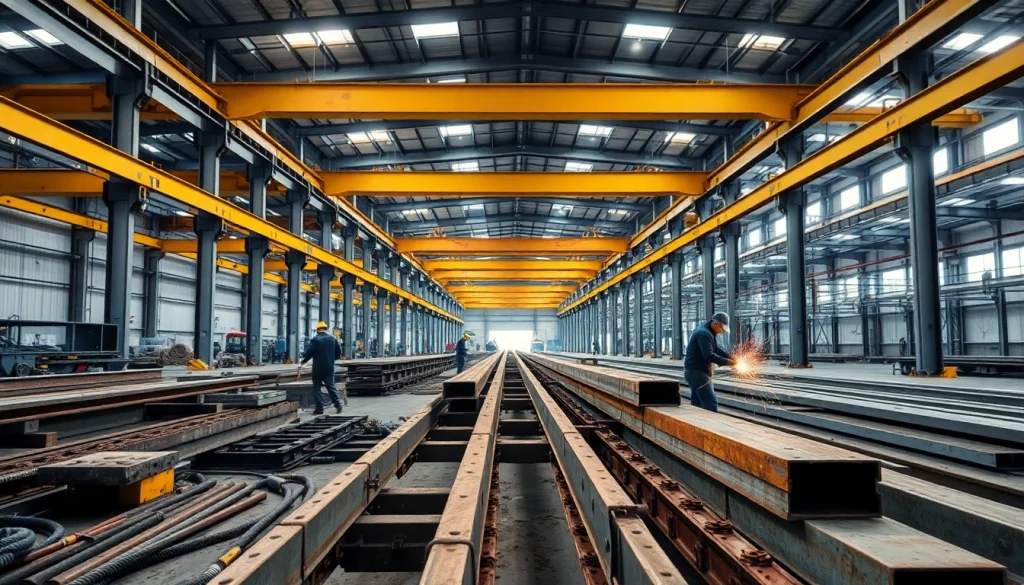
Structural steel fabrication refers to the process of shaping and forming steel to create structures that will support various loads. The stages include cutting, bending, and assembling steel beams, columns, and plates into specified forms. Various methods such as welding, bolting, and riveting are employed to join these components into cohesive parts that ensure structural integrity and safety in their intended environments.
Importance in Construction and Engineering
In both construction and engineering, structural steel serves as the backbone of numerous infrastructures. Its importance cannot be overstated as it ensures durability, strength, and reliability. Structural steel allows architects and engineers to create innovative designs with significant load-bearing capabilities, making it a preferred choice for many large-scale projects. Furthermore, steel’s recyclable nature aligns well with sustainable construction practices.
Common Applications of Structural Steel
Structural steel is utilized across various applications, including:
- High-Rise Buildings: Provides the framework that supports multi-story structures.
- Bridges: Essential for both pedestrian and vehicular traffic, offering durability and safety.
- Industrial Facilities: Used in warehouses and factories to create open spaces without internal columns.
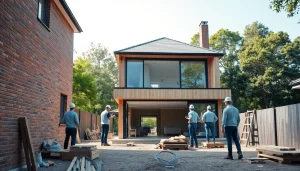
- Residential Structures: Increasingly used in modern home designs for strength and aesthetics.
- Heavy Equipment: Structural components in manufacturing machinery and industrial equipment.
The Structural Steel Fabrication Process
Key Steps in the Fabrication Process
The fabrication process consists of several critical steps, each important for ensuring the final product meets structural specifications:
- Design and Drafting: A detailed design is created, typically using CAD software, specifying dimensions, materials, and assembly methods.
- Material Selection: Choosing the right grade of steel based on mechanical properties and application requirements.
- Cutting: The steel is cut to size using saws, lasers, or water jet-cutting technology, ensuring precision and minimal waste.
- Bending: Metal is bent into the required shapes using press brakes or roll formers.
- Welding/Assembly: Various components are joined through welding or bolting to form the final structure.
- Surface Treatment: Application of coatings (such as paint or galvanization) to protect against corrosion and enhance aesthetics.
- Final Inspection and Delivery: Ensuring that the fabricated components meet all specifications and standards before they are delivered to the construction site.
Innovative Techniques in Fabrication
Advancements in technology have introduced innovative techniques that enhance the efficiency and quality of structural steel fabrication:
- 3D Printing: Allows for the rapid prototyping of complex components, speeding up the design phase.
- Robotic Welding: Increases precision in welding and reduces labor costs by automating tasks.
- Advanced Software Tools: Solutions that facilitate better project management and optimization of materials.
- Green Fabrication Techniques: Utilizing recycled materials and minimizing waste to enhance sustainability.
Quality Control Measures
Quality control is essential to ensure that fabricated steel components meet required standards. This includes inspections and testing at various stages of fabrication, ensuring compliance with industry standards (such as ASTM). Common quality checks involve:
- Visual Inspections: Checking for surface imperfections or deformities.
- UT Testing: Ultrasonic testing to identify internal defects.
- X-ray Inspection: To ensure the integrity of weld joints.
- Dimensional Measurements: Confirming that all pieces meet design specifications.
Benefits of Choosing Structural Steel Fabrication
Cost-Effectiveness Over Time
Investing in structural steel fabrication can lead to significant long-term savings. Although the initial costs may be higher compared to other materials, the durability and low maintenance requirements of steel structures contribute to a lower lifecycle cost. Moreover, the speed of construction afforded by pre-fabricated steel components reduces labor costs and project timelines effectively.
Customizability and Flexibility
Structural steel can be easily tailored to meet specific project demands, ensuring flexibility in design. Fabricators can create components in varied shapes and sizes, accommodating unique architectural features while adhering to stringent safety requirements. This adaptability allows architects to push the boundaries of design without compromising structural integrity.
Durability and Longevity of Steel Structures
One of the most notable advantages of structural steel lies in its exceptional strength and longevity. Steel structures can withstand extreme weather conditions, making them resistant to rust and corrosion when properly treated. Its robustness translates to a longer lifespan, ensuring that buildings remain sound and functional for decades with minimal upkeep.
Challenges in Structural Steel Fabrication
Understanding Material Costs
The fluctuating prices of raw steel can pose challenges for fabricators and builders alike. Global supply chain issues, demand fluctuations, and market conditions impact the cost of steel, which can lead to budget overruns. Efficient inventory management and procurement strategies are essential to mitigate these risks.
Labor and Skill Requirements
Structural steel fabrication demands skilled labor to execute complex tasks such as welding and metalworking accurately. A shortage of trained personnel can slow production times and increase project costs. Investing in training programs and fostering partnerships with educational institutions can help alleviate these challenges.
Environmental Considerations
As industries shift focus towards sustainability, structural steel fabrication must adapt to meet environmental regulations. Fabricators can implement eco-friendly practices by reducing waste during fabrication, recycling scrap steel, and utilizing sustainable energy sources. Transparency in sourcing materials and manufacturing processes also plays a crucial role in enhancing environmental responsibility.
The Future of Structural Steel Fabrication
Trends and Innovations on the Horizon
The future of structural steel fabrication looks promising, with significant trends emerging on the horizon. Innovations such as modular construction and off-site fabrication are gaining traction, allowing for faster and more efficient project completion. The integration of Building Information Modeling (BIM) is also transforming the design and visualization processes, enhancing collaboration among all stakeholders.
Technological Advancements Impacting Fabrication
Technological advancements are pivotal as the sector adapits to changes in the construction landscape. Artificial Intelligence (AI) and machine learning are playing key roles in predictive maintenance, supply chain optimization, and inspection processes. These technologies promise improvements in efficiency, reducing downtime and costs associated with structural steel fabrication.
Preparing for Market Growth and Demand
The structural steel fabrication market is poised for growth as urbanization and infrastructure investments continue. As demand for sustainable building practices increases, fabricators must adapt to meet evolving consumer preferences. Staying ahead of market trends and investing in advanced fabrication technologies will be vital for companies seeking to maintain a competitive edge.
Frequently Asked Questions
What exactly is structural steel fabrication?
Structural steel fabrication is the process of transforming raw steel into usable parts by cutting, bending, welding, and assembling them according to specific structural designs.
How long does the fabrication process typically take?
The timeline for structural steel fabrication can vary based on project complexity and size, generally ranging from a few weeks to several months.
What industries rely on structural steel fabrication?
Industries such as construction, infrastructure, manufacturing, and energy heavily rely on structural steel fabrication for essential components in their projects.
Are there specific certifications for fabricators?
Yes, reputable fabricators often hold certifications from organizations such as the American Institute of Steel Construction (AISC) for quality assurance and industry standards.
How can companies reduce costs in the fabrication process?
Companies can reduce costs through efficient material management, investing in training to enhance labor skills, and adopting advanced technologies that streamline processes.