In today’s rapidly evolving job market, practical skills and hands-on experience often hold more value than traditional academic credentials. Nowhere is this more evident than in Hawaii’s thriving construction and trade industries. As the demand for skilled workers continues to rise,trade schools in Hawaii have emerged as essential institutions that equip individuals with the technical knowledge, certifications, and real-world training needed to succeed. These schools are reshaping how future professionals enter the workforce, empowering them with the skills to excel in high-demand roles.
Trade education offers accelerated career paths, low-cost tuition compared to four-year universities, and direct entry into well-paying jobs. For organizations like ABC Hawaii, which represent the values of safety, craftsmanship, and free enterprise, the success of trade education is deeply tied to the future of Hawaii’s construction workforce.
- The Growing Importance of Trade Schools in Hawaii
- Benefits of Enrolling in Trade Schools in Hawaii
- Key High-Demand Trades Supported by Hawaii’s Trade Schools
- Why Trade Schools in Hawaii Are Vital to the Construction Industry
- How Trade Education Supports Hawaii’s Economy
- The Role of Training in Workplace Safety and Compliance
- How Students Can Choose the Right Trade School
- Trade Schools and the Future of Workforce Development in Hawaii
- ABC Hawaii’s Commitment to Supporting Trade Education
- Conclusion: Preparing the Workforce of Tomorrow
The Growing Importance of Trade Schools in Hawaii
Meeting Workforce Demands
Hawaii faces increasing infrastructure needs, including housing, transportation, and commercial development. However, a growing skills gap threatens these projects. Trade schools in Hawaii provide targeted training for roles such as electricians, welders, HVAC technicians, carpenters, and project managers—careers that remain in high demand statewide.
A Faster Path to Professional Success
Unlike traditional degree programs, which often take four years or more, most vocational programs can be completed within one to two years. Students graduate job-ready, with industry-approved certifications and experience acquired through hands-on labs and internships. This accelerated path gives them a competitive edge and allows Hawaii’s industries to fill critical roles faster.
Benefits of Enrolling in Trade Schools in Hawaii
Hands-On Learning Experience
One of the primary advantages of trade schools in Hawaii is their focus on experiential training. Rather than learning solely from textbooks, students gain practical knowledge through interactive workshops, field training, and real project simulations.
Strong Industry Connections
Many vocational institutions collaborate with local contractors, unions, and industry leaders—including organizations like ABC Hawaii—ensuring that training aligns with current construction standards and market demands. Students often secure apprenticeships or employment offers even before completing their programs.
Economic Stability and Higher Earning Potential
Skilled trade careers are known for competitive wages. Many graduates start their careers earning salaries comparable to university graduates—and often with less debt. As they gain experience, certifications, and additional licenses, earning potential increases significantly.
Key High-Demand Trades Supported by Hawaii’s Trade Schools
Construction and Carpentry
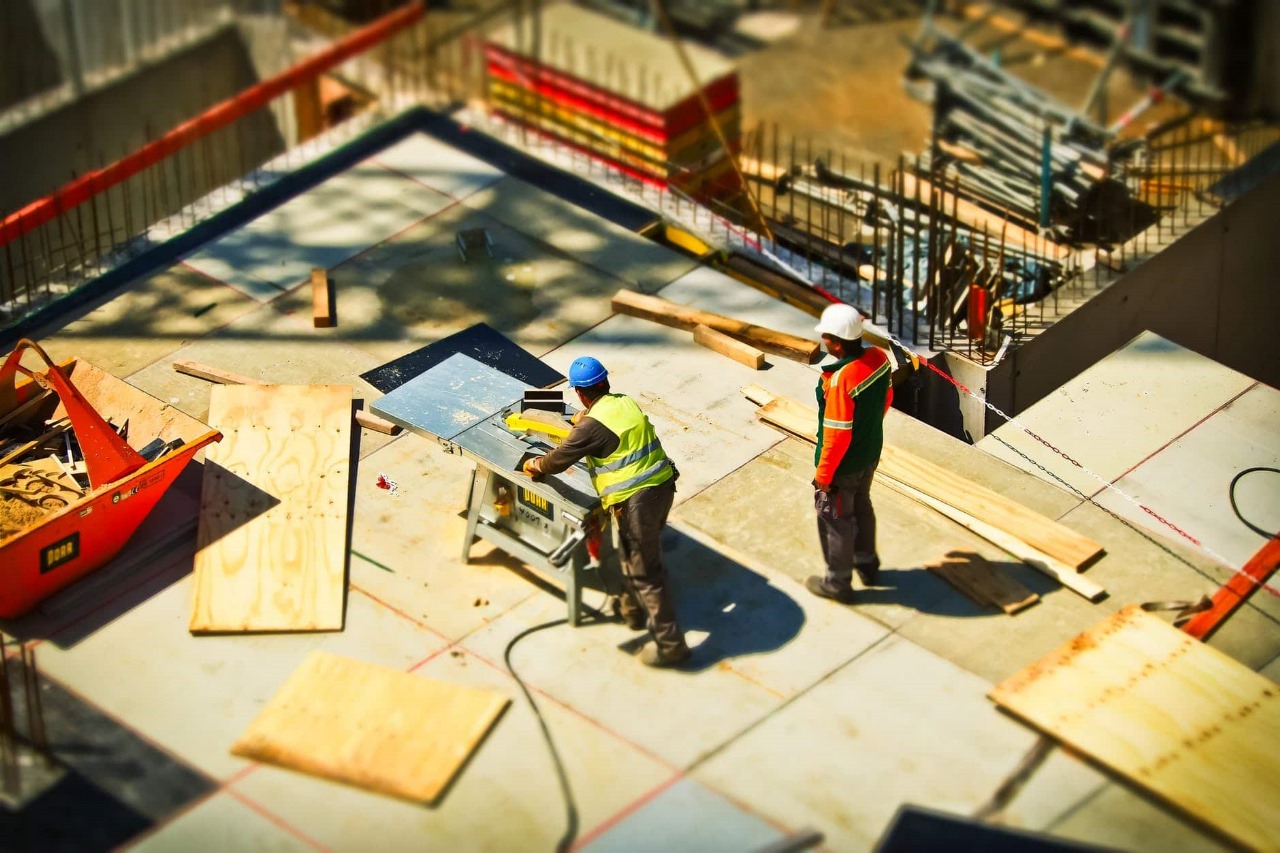
With consistent development across commercial and residential sectors, construction professionals are among the most sought-after skilled workers. Trade schools teach blueprint reading, safety protocols, and modern building techniques, preparing graduates for roles as carpenters, general contractors, and site supervisors.
Electrical Work
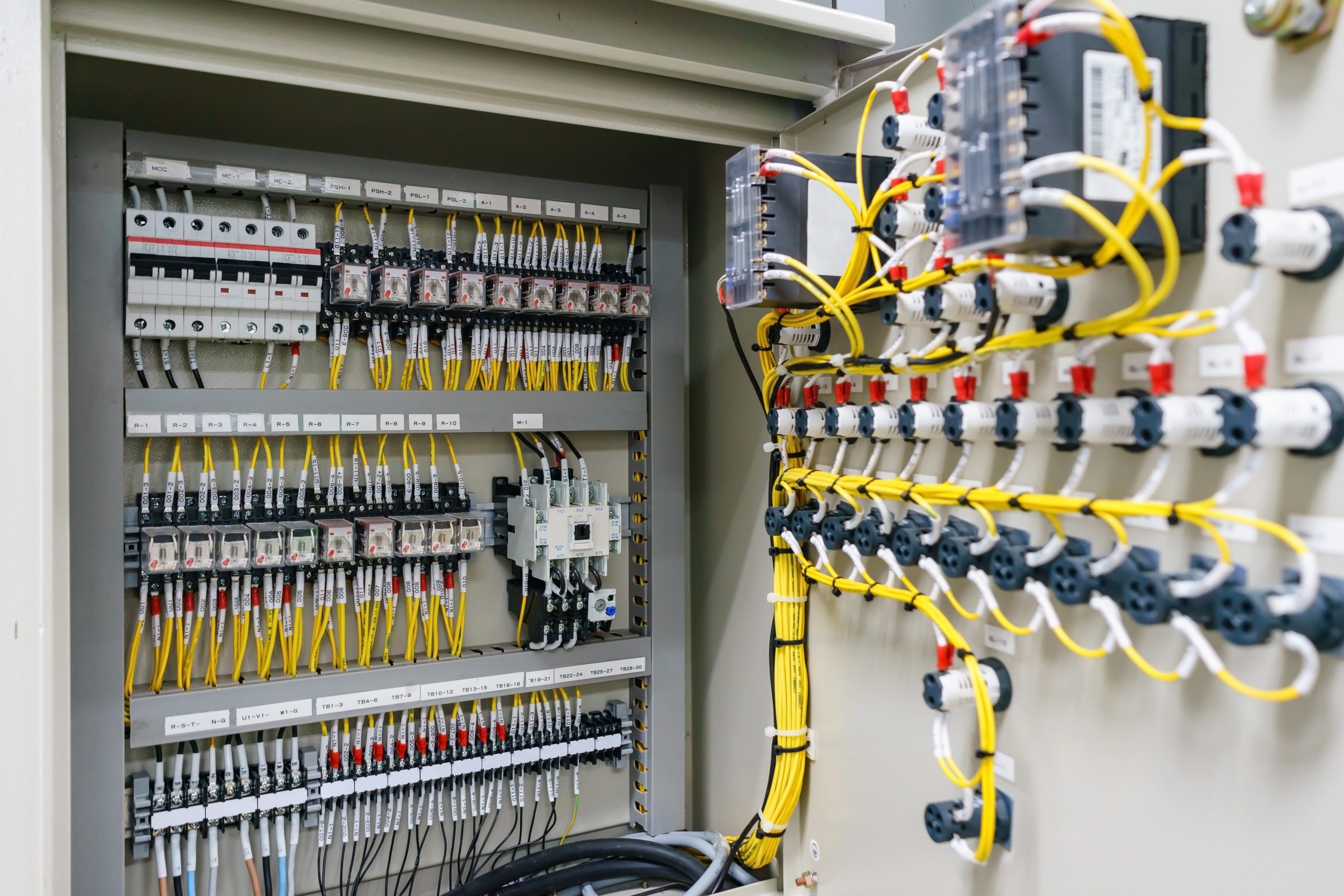
Electricians are essential for infrastructure sustainability and economic growth. Training includes electrical systems, energy-efficient installations, circuit repairs, and compliance with local safety regulations. Graduates can enter entry-level electrician positions or apprenticeships immediately after certification.
HVAC and Refrigeration
With Hawaii’s tropical climate, air conditioning and ventilation specialists are always in demand. Trade schools provide hands-on training using the latest technologies to ensure students are ready to install, maintain, and repair HVAC units.
Welding and Metalwork
Metal fabrication and welding are vital to construction, ship repair, and energy industries. Students receive training in MIG, TIG, and arc welding techniques, preparing them for careers in construction and industrial sectors.
Why Trade Schools in Hawaii Are Vital to the Construction Industry
Trade schools support Hawaii’s construction sector by producing skilled professionals who meet industry needs. With an aging workforce and growing demand for quality construction, new entrants must be trained in advanced technologies and sustainability practices. Trade schools in Hawaii are instrumental in preparing the next generation—not only with technical expertise but with an understanding of local building regulations, environmental considerations, and safety standards.
Organizations like ABC Hawaii emphasize excellence in craftsmanship, ethical business practices, and free enterprise. Trade schools reinforce these values by cultivating a culture of professionalism, teamwork, and compliance.
How Trade Education Supports Hawaii’s Economy
The construction trade is one of the largest contributors to Hawaii’s economy. Each trained professional entering the job market fuels productivity, reduces delays in development projects, and supports long-term growth. By promoting vocational training, Hawaii strengthens its local workforce and reduces reliance on external labor.
In addition, students who graduate from trade schools in Hawaii often remain in-state, working to build the very communities they grew up in. This creates a cycle of sustainability, economic circulation, and local empowerment.
The Role of Training in Workplace Safety and Compliance
Workplace safety is a non-negotiable standard in construction and technical trades. Trade schools integrate comprehensive safety training into their programs, covering occupational hazard prevention, tool handling, equipment safety, and federal OSHA regulations. This preparedness reduces jobsite accidents and promotes long-term health and productivity across the industry.
How Students Can Choose the Right Trade School
Accreditation and Licensing
The first step in selecting a vocational school is verifying that it is fully accredited and recognized by local authorities. Accreditation ensures that the program meets professional standards and allows students to qualify for licensure exams.
Industry-Relevant Curriculum
Students should ensure that the curriculum is aligned with current job market demands. Programs that offer apprenticeship placement, certifications, and industry partnerships provide better career outcomes.
Financial Support and Scholarships
Many trade schools in Hawaii offer financial aid, grants, and scholarship programs for qualifying students. Organizations involved in workforce development may also offer tuition reimbursement or training incentives.
Trade Schools and the Future of Workforce Development in Hawaii
As construction technology advances, the demand for skilled professionals continues to grow. In fields like renewable energy installations, smart building technologies, and sustainable construction, trade professionals must constantly update their skills. Trade education is no longer a one-time process—it’s the beginning of a journey of lifelong learning.
Programs now incorporate advanced training modules in topics like project management, energy efficiency, and digital blueprinting. These skills enable workers to take leadership roles as they progress in their careers.
ABC Hawaii’s Commitment to Supporting Trade Education
At ABC Hawaii, we recognize that the future of our state’s construction industry depends on a highly trained, skilled workforce. We actively support initiatives that promote trade education and encourage continued professional development. By fostering partnerships between educational institutions and employers, we help ensure that graduates of trade schools in Hawaii are equipped not just to meet industry standards but to set them.
Conclusion: Preparing the Workforce of Tomorrow
As Hawaii continues to grow, the demand for skilled professionals in high-demand trades will only increase. Trade schools in Hawaii are essential to meeting this need, providing accessible, hands-on training that leads directly to rewarding careers. By empowering students with practical skills, industry certifications, and professional mentorship, these institutions support both individual success and statewide economic growth.
Organizations like ABC Hawaii play a vital role in driving this development—advocating for safe practices, promoting skilled craftsmanship, and supporting training initiatives that prepare the next generation of industry leaders. For those looking to enter a high-demand career with long-term stability and growth, trade education is a valuable and powerful step forward.