Introduction to Warehouse Operations
In modern supply chains, a warehouse plays a crucial role as a central hub for storing goods. These buildings are not merely places for keeping products; they are complex operations integral to logistics and inventory management. A well-managed warehouse can enhance efficiency, reduce costs, and improve customer satisfaction. This article will explore the multifaceted world of warehousing, examining its historical roots, types, management practices, technological advancements, and future trends.
What is a Warehouse?
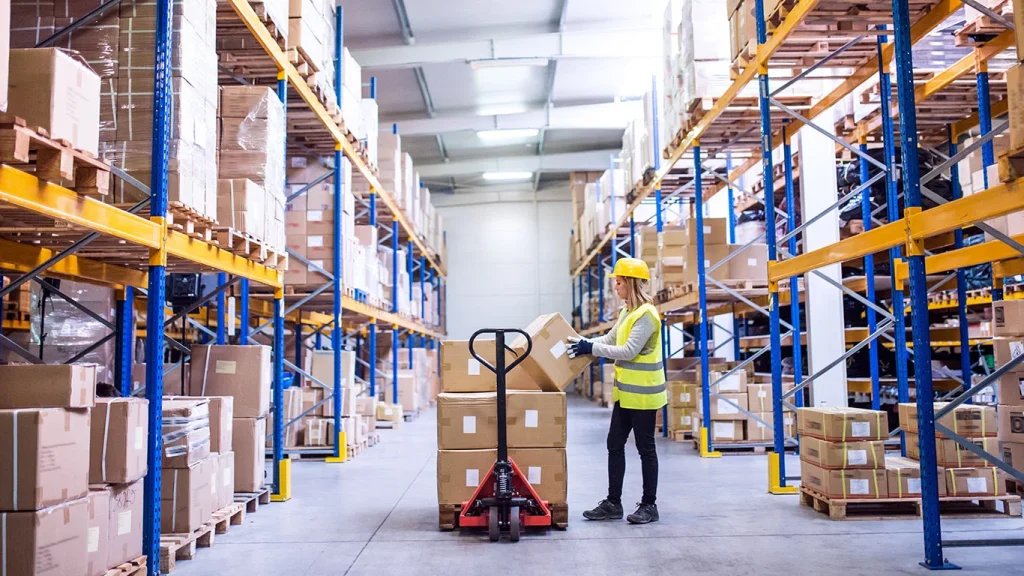
A warehouse is defined as a large building used for storing goods. These facilities serve various businesses, from manufacturers to wholesalers, by providing essential functions such as storage, inventory control, and distribution. Warehouses are typically equipped with storage systems and handling equipment that help manage different aspects of logistics, from receiving to shipping. They are strategically located near transportation hubs to facilitate the movement of goods.
Historical Overview of Warehousing
The concept of warehousing can be traced back to ancient civilizations when goods were stored in communal spaces for protection and distribution. In medieval Europe, warehouses began to evolve as cities grew, necessitating more structured facilities for managing goods. The industrial revolution further transformed warehousing, introducing mechanization and organization through systems like the American System of Manufacture, which allowed for mass production and storage of goods.
In the 20th century, warehouses became increasingly specialized, with the introduction of different types of storage solutions, inventory management techniques, and automation technologies. Today, warehousing has shifted significantly in response to changing consumer demands, e-commerce growth, and global supply chain complexities.
The Importance of Warehouses in Supply Chains
Warehouses serve as critical components within supply chains, acting as buffer zones that hold inventory to meet fluctuating demand. They enable businesses to manage product availability and streamline logistics processes. By storing goods closer to the end customer, businesses can improve delivery times and increase customer satisfaction. Additionally, warehouses allow companies to consolidate shipments, reducing transportation costs and environmental impact.
Moreover, effective warehousing practices can help companies respond more agilely to market trends and customer needs. Through advanced inventory management and data analytics, businesses can optimize stock levels, minimize storage costs, and reduce waste, further enhancing their competitive edge in the market.
Types of Warehouses
Traditional Warehouses
Traditional warehouses primarily focus on storage and distribution without significant automation. These facilities often include pallet racks and shelving for inventory organization. They are more common in classical manufacturing and distribution sectors, where there’s a less critical need for speed and high-tech equipment. While these warehouses tend to have lower operational costs, they require more labor to manage and operate.
Automated Warehouses
Automated warehouses utilize technology to streamline operations, reducing manual labor and increasing efficiency. These facilities often feature robotic systems for sorting and transporting goods, advanced racking systems, and software that integrates supply chain processes. The automation of warehouses improves accuracy, reduces handling times, and minimizes labor costs, making them an essential solution for companies looking to increase scalability and efficiency.
Climate-Controlled Warehouses
Climate-controlled warehouses are specifically designed to store temperature-sensitive goods, such as pharmaceuticals, food products, and electronics. These facilities maintain strict temperature and humidity levels, ensuring the products remain in optimal condition. Investing in climate-controlled solutions is essential for industries that must adhere to governmental regulations and maintain the integrity of sensitive supplies over long periods.
Key Warehouse Management Practices
Inventory Management Techniques
Effective inventory management is vital for warehouse operations. Utilizing techniques such as Just-in-Time (JIT) inventory can help reduce excess stock and lower storage costs. This approach ensures that products arrive exactly when needed. Additionally, implementing inventory management software allows for real-time tracking, enabling businesses to make informed decisions about stock levels, reorder points, and demand forecasting.
Other techniques include ABC analysis, where items are categorized based on their value and turnover rate, as well as FIFO (First In, First Out) and LIFO (Last In, First Out) methods of inventory management. These techniques not only assist in managing stock efficiently but also contribute to improved cash flow and reduced waste.
Warehouse Layout Optimization
The layout of a warehouse significantly impacts its efficiency. An optimized layout increases productivity by minimizing travel time for employees and equipment. Common strategies for layout optimization include designing zones for storage, picking, packing, and shipping, as well as strategic placement of high-demand items closer to shipping areas. Utilizing tools like simulation models can help warehouse managers visualize the effects of different layout designs on operational efficiency.
Furthermore, ongoing evaluation of layout effectiveness is essential. Factors like changing product lines, fluctuating demand, and new technologies may require adjustments to optimize space utilization continuously.
Safety Standards and Regulations
Safety is paramount in warehouse operations, as hazards can jeopardize workers and inventory. Compliance with safety regulations, such as the Occupational Safety and Health Administration (OSHA) guidelines in the United States, is crucial. Regular training, safety audits, and the use of personal protective equipment (PPE) help mitigate risks associated with warehouse operations.
Additionally, implementing a safety culture within the organization can encourage workers to prioritize safety. Establishing clear protocols for lifting, equipment handling, and emergency response ensures a safer working environment while enhancing overall efficiency.
Technologies Enhancing Warehouse Functions
Warehouse Management Systems (WMS)
Warehouse Management Systems (WMS) are software solutions that facilitate the management of warehouse operations. WMS streamlines processes such as inventory tracking, order fulfillment, and shipping logistics by providing real-time visibility into warehouse activities. The use of WMS allows for better decision-making, improved accuracy, and reduced operational costs.
Advanced WMS solutions integrate with other business systems, such as Enterprise Resource Planning (ERP) and transportation management systems, creating a cohesive infrastructure for managing all elements of the supply chain.
Robotics and Automation in Warehousing
Robotics and automation technologies have revolutionized warehouse operations by enhancing efficiency and reducing reliance on manual labor. Automated guided vehicles (AGVs), robotic pickers, and conveyor systems streamline the movement of goods within warehouses, drastically reducing lead times and labor costs.
Incorporating robotics not only increases throughput but also minimizes human error, leading to enhanced accuracy in order fulfillment. Businesses that adopt these technologies position themselves as leaders in efficiency, enabling faster and more reliable service to customers.
The Role of Data Analytics
Data analytics tools are fundamental to enhancing supply chain management capabilities within warehouses. By analyzing trends, performance metrics, and customer behaviors, warehouses can make informed decisions about inventory, staffing, and layout. Advanced analytics techniques, including predictive analytics, can also forecast demand patterns, helping businesses prepare for fluctuations in inventory needs.
The insights gained from data analytics allow for continuous improvement in warehouse operations, ultimately leading to increased profitability and customer satisfaction.
Future Trends in Warehousing
Sustainability and Green Warehousing
As environmental concerns rise, many companies are implementing sustainable practices within their warehousing operations. Green warehousing refers to the idea of incorporating eco-friendly practices in logistics, such as using energy-efficient lighting and machinery, reducing waste, and utilizing renewable energy sources.
Investing in green technologies not only lowers environmental impact but can also yield cost savings in the long run, appealing to consumers who prioritize sustainability. Moreover, regulatory pressures and consumer preferences are driving many businesses to adopt more environmentally friendly practices.
Challenges Facing Modern Warehouses
Modern warehouses face numerous challenges, including labor shortages, rising operational costs, and increasing customer expectations for speed and accuracy. The shift towards e-commerce has escalated expectations for quick order fulfillment, pushing warehouses to enhance their efficiency and responsiveness.
To navigate these challenges, warehouses must continuously adapt their strategies, investing in technology and workforce development to maintain competitiveness in a rapidly changing market environment.
The Future of Workforce in Warehousing
The workforce in warehousing is evolving alongside advancements in technology. While automation can enhance productivity, it raises questions about the future of jobs in the sector. Companies must look to retrain and upskill their employees to prepare them for higher-skilled roles that focus more on technology management, data analysis, and customer service.
As said by industry experts, the future workforce will require a blend of technology and human elements, focusing on collaboration and innovation to drive productivity and keep pace with rapid changes in the industry.