
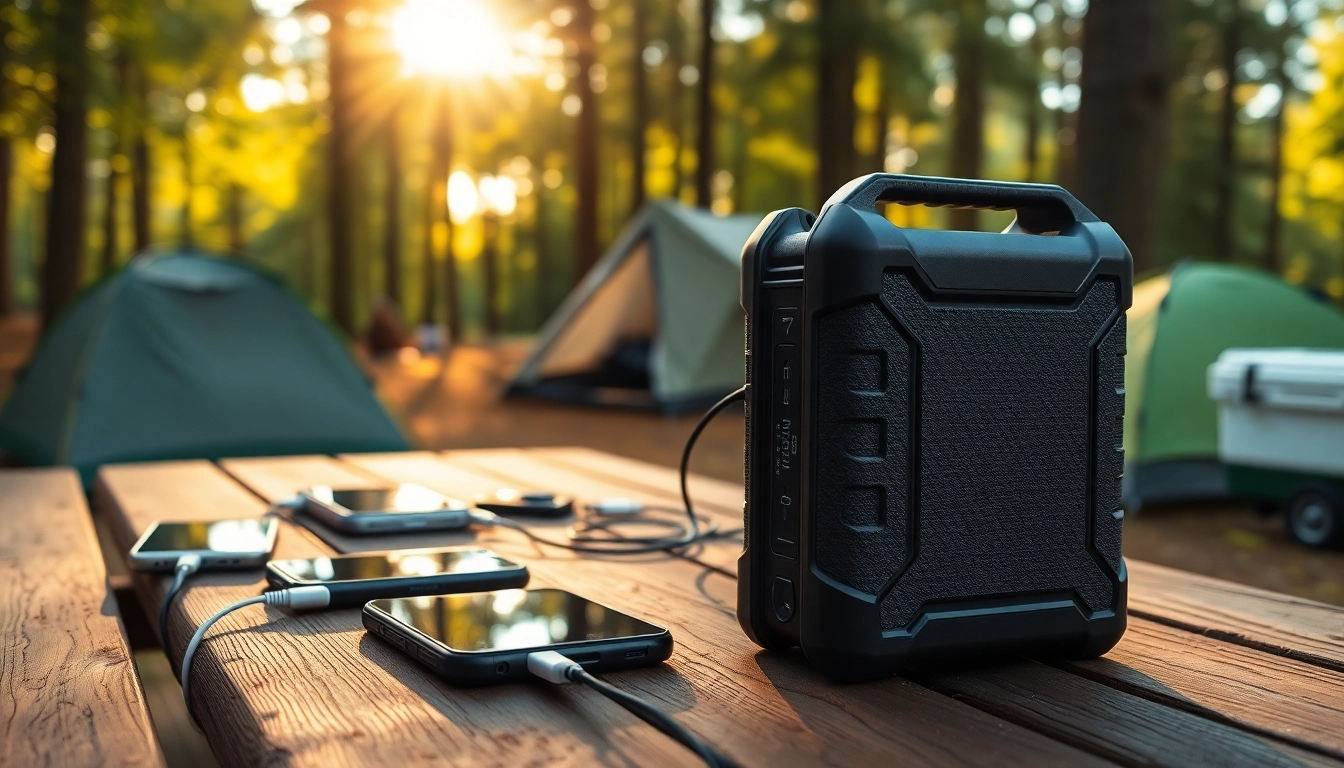
Understanding Portable Power Stations
What is a Portable Power Station?
A portable power station is a compact, battery-powered device that functions as a versatile power source away from traditional electrical outlets. Equipped with multiple output ports, it is capable of charging and powering a broad range of electronic gadgets, from smartphones and laptops to camping appliances and small medical equipment. The recent surge in outdoor activities, remote work culture, and emergency preparedness has significantly boosted the demand for such devices.
How Portable Power Station Works
At the core of a portable power station is its battery system, generally based on Lithium-ion or Lithium Iron Phosphate (LiFePO4) technology. These batteries are charged using various methods, including AC wall power, solar panels, or car chargers. Once charged, the device transforms stored energy into usable electricity through built-in inverters, which convert DC (direct current) into AC (alternating current) electricity. Users can then plug their devices into the station to draw power.
Common Uses for Portable Power Station
Portable power stations serve a wide array of applications. They are favored by outdoor enthusiasts for camping and hiking trips, providing energy for lights, refrigeration, and cooking appliances. They are also increasingly relied upon in emergency situations, ensuring that essential devices remain operational during power outages. Additionally, portable power stations appeal to travelers for road trips, enabling them to charge electronics and run small appliances in vehicles.
Benefits of Using a Portable Power Station
Convenience and Portability
One of the standout features of portable power stations is their convenience. Their compact size and lightweight design make them easy to transport, whether in a camping backpack or a car trunk. This means users can bring reliable power sources into remote locations, enhancing comfort and safety during outdoor adventures. The ultra-portable nature allows for easy maneuverability without sacrificing energy output.
Eco-Friendly Power Source
As society continues to push for more sustainable living practices, portable power stations provide an eco-friendly alternative to traditional gas-powered generators. Many models are designed to be compatible with solar panels, enabling users to harness renewable energy for their power needs. This capability significantly reduces the carbon footprint associated with energy consumption while offering quiet operation devoid of harmful emissions.
Cost-Effective Energy Solution
Investing in a portable power station can lead to long-term savings. Over time, users can avoid costly fuel expenses associated with conventional generators and the hassle of purchasing disposable batteries for small devices. Additionally, many stations are built with durable materials, ensuring they withstand rugged conditions and last for many years, adding further to their value.
Choosing the Right Portable Power Station
Key Features to Consider
When selecting a portable power station, it is crucial to evaluate key features that will meet your specific energy needs. Key features include the unit’s capacity (measured in watt-hours), which determines how long the device can supply power before needing a recharge. The number and type of output ports are also vital; users should ensure they can connect all necessary devices, including USB-C, AC, and DC outputs. Additional considerations include the weight and size of the unit, ease of use, and charging time.
Capacity and Output Ratings
The capacity of a portable power station indicates how much energy it can store and ultimately deliver. Higher capacity units are suited for powering larger devices or multiple gadgets simultaneously. Output ratings, expressed in watts, will determine what devices can be connected. For example, a device with a 500W output can support basic electronics, while higher-rated units can manage more power-hungry appliances such as microwaves or electric stoves. Understanding the interplay between these factors is essential for users to ensure their specific energy demands are met.
Port Options and Compatibility
Diversity in port options is another important factor when choosing a portable power station. Look for models that offer a combination of AC, DC, and USB ports. Some may even include specialized ports for charging specific devices, such as laptops or electric bikes. Compatibility with various devices will enhance the practicality and usability of the power station, making it a more versatile asset.
Charging a Portable Power Station
Methods of Charging
Portable power stations can be charged through several methods. The most common way is via an AC outlet, where users plug the unit directly into a wall socket. In addition to conventional charging, many models support solar charging, enabling sustainability by utilizing solar panels to charge the battery. This option is particularly valuable during outdoor adventures and remote locations. Some power stations can also be charged through car ports, making them suitable companions for road trips.
Timing and Efficiency Tips
To maximize the efficiency of recharging a portable power station, it is best to charge it during off-peak hours if using AC power. These hours often align with nighttime or early morning when energy demand is lower and electricity rates might be reduced. For solar charging, positioning the panels to receive maximum sunlight during the day will ensure a quicker and more effective charge. Regular maintenance checks, ensuring that connectors and ports are clean, will further enhance charging efficiency.
Maintaining Battery Health
Proper maintenance is crucial for preserving the battery life of a portable power station. Users should avoid letting the battery drain completely or keeping it in a discharged state for prolonged periods. It’s recommended to recharge the station fully every few months, even if it has not been used, to ensure the battery cells remain healthy. Additionally, storing the device at room temperature and avoiding extreme hot or cold conditions will help in prolonging battery lifespan.
Real-World Applications of Portable Power Stations
Camping and Outdoor Activities
For campers and outdoor enthusiasts, having a reliable source of power can transform the experience. Portable power stations allow campers to power lights, cook using small electric appliances, and recharge electronic devices. This technology enhances safety as users can communicate, navigate using GPS devices, or utilize medical equipment when necessary. Most importantly, they can enjoy all the comforts of home while immersed in nature.
Emergency Preparedness
In the face of natural disasters or unexpected power outages, portable power stations can provide peace of mind. These devices ensure that critical appliances like refrigerators, medical devices, and communication equipment remain operational. Preparing a portable power station as part of an emergency kit ensures that families can stay connected and supported when the grid may not be available.
Traveling and Road Trips
Traveling via road has become increasingly popular, especially with families seeking to explore at their own pace. Portable power stations make it easier to charge multiple devices, cook meals, or even run small appliances while on the road. They ensure that travelers can enjoy enjoyable experiences that involve electronic gadgets — whether it be for GPS, entertainment, or work — without constantly worrying about draining their vehicle’s battery.