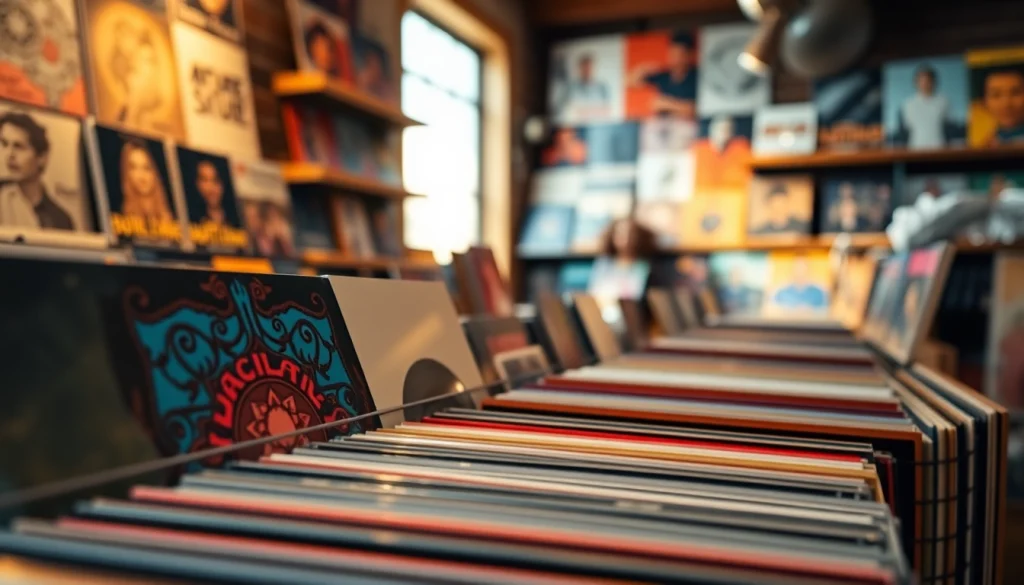
Understanding Vinyl Records
Vinyl records have made a remarkable comeback in recent years, captivating both music lovers and new generations alike. The allure of vinyl records lies not only in their nostalgic charm but also in their rich sound quality and collectible nature. In this article, we delve into everything you need to know about vinyl records—covering their history, production, appeal, unique sound experience, collection tips, buying channels, and market trends. Let’s explore what makes vinyl records timeless treasures for audiophiles and casual listeners alike.
The History of Vinyl Records
The roots of vinyl records trace back to the late 19th century, originating with the phonograph, which was invented by Thomas Edison. The initial records were made from materials like shellac, which provided a hard but brittle surface. It wasn’t until the 1940s that vinyl became the standard material. The introduction of the 33 1/3 RPM long-playing (LP) record revolutionized the music industry, allowing entire albums to be played on a single disc. As technology advanced, the 45 RPM single became popular in the 1950s, giving rise to a new era of music consumption.
How Vinyl Records are Made
The manufacturing process of vinyl records involves several meticulously detailed steps. It starts with creating a metal master disc through a process called electroforming, where a lacquer disc is coated with a silver solution that conducts electricity. Once the master is created, it is used to produce a stamper, which is then employed to press the vinyl discs. High-quality pellets made of polyvinyl chloride (PVC) are heated and molded into the familiar circular shape, with grooves engraved to hold the music. After this, the records are cooled, labelled, and packaged before being sent out to stores.
The Appeal of Vinyl Records
What drives the re-emergence of vinyl records in a digital age? Several factors contribute, including the tangible nature of physical records, the artwork associated with album covers, and the experience of playing a record on a turntable. Additionally, many listeners enjoy the ritualistic aspect of selecting a vinyl disc, carefully placing it on the turntable, and gently lowering the stylus. For many, vinyl represents an authentic encounter with music, rich in warmth and depth that digital formats often lack.
The Unique Sound of Vinyl Records
Comparing Vinyl Records to Digital Formats
One of the most frequently discussed advantages of vinyl records stems from their analog nature, which provides a unique sound quality that many argue is superior to digital formats. Digital music compresses audio data, potentially losing some nuances in the process. In contrast, vinyl records offer a fuller, warmer sound that enthusiasts often describe as more “natural.” The imperfections inherent in vinyl, such as surface noise and pops, can add a character to the listening experience, creating an emotional connection between the listener and the music.
Listening Experience: Analog vs. Digital
The listening experience of vinyl records differs significantly from that of digital formats. With analog sound, the waveforms are continuous, allowing for a broader dynamic range due to the format’s physical nature. This continuous wave is particularly appealing when listening to genres like classical or jazz, where subtleties matter. Moreover, vinyl records encourage deliberate listening, as users must engage physically with the medium by flipping sides and tracking the record, which can often lead to a more immersive experience.
Why Audiophiles Prefer Vinyl Records
Audiophiles are often the staunchest proponents of vinyl records, citing several reasons for their preference. High-quality vinyl can provide a rich sound that captures the essence of a recording, revealing details that might be lost in digital formats. Additionally, high-resolution vinyl can reproduce frequencies up to 20 kHz or higher, resulting in an audio experience that feels encompassingly rich and vibrant. Audiophiles appreciate the collectibles aspect of vinyl, cherishing the historical significance of records as they relate to artists and particular eras in music.
Collecting Vinyl Records
How to Start a Vinyl Records Collection
For newcomers interested in starting a vinyl records collection, a few foundational tips can enhance the experience. Begin by acquiring a reliable turntable; prioritize quality over aesthetic charm, as sound quality is paramount. Start collecting records that resonate with your musical tastes while also considering iconic albums from different genres. Browsing through local record shops, thrift stores, and online marketplaces can yield exciting finds. Additionally, join online and local communities dedicated to vinyl for support, recommendations, and information about rare pressings.
Best Practices for Maintaining Vinyl Records
To preserve your vinyl records and prolong their lifespan, good maintenance practices are essential. Always handle records by the edges to avoid fingerprints on the grooves. Use a soft microfiber cloth to clean records before and after play, and consider investing in a carbon fiber brush designed for record cleaning. Store records vertically in a cool, stable environment, avoiding direct sunlight or extreme humidity, which can warp or degrade both the vinyl and the cover art. Regularly check for dust buildup in your turntable’s stylus and clean it carefully to ensure optimal playback.
Valuable Vinyl Records: What to Look For
Collectors often seek out specific traits in vinyl records that can influence their value. First editions or limited pressings, especially those with unique colored vinyl or artwork, tend to be more sought after. Condition plays a critical role—both the vinyl and the sleeve should be in excellent shape to fetch a higher price. Additionally, albums that feature historically significant artists or pivotal movements in music history can be valuable prized possessions. Researching market values through collectors’ guides and online marketplaces can give you a competitive edge in building your collection.
Where to Buy Vinyl Records
Online vs. Local Record Stores
When deciding where to buy vinyl records, collectors can choose between local record stores and online retailers. Local shops provide an opportunity to browse, discover hidden gems, and gain insights from knowledgeable staff and fellow collectors. However, online platforms offer a vast selection, often including rare pressings and hard-to-find titles. Many vinyl enthusiasts prefer a mix of both avenues, taking home new finds from local stores while supplementing their collection with online purchases.
Finding Rare Vinyl Records
Finding rare vinyl records requires a bit of expertise and dedication. Start by attending vinyl fairs and record swap meets in your area, where collectors converge to trade and sell. Networking within vinyl communities—both online and offline—can help uncover sources for rare finds. Equally, utilize social media and auction sites to increase your chances of discovering unique records. Be persistent and patient in your search; rare records can pop up when least expected.
Understanding Pricing for Vinyl Records
The pricing of vinyl records can fluctuate greatly based on several factors, including reproduction quality, rarity, and overall condition. Generally, new records can range from budget-friendly $15 editions to collectible reissues priced upwards of $100. Conversely, used records are often worth exploring, with many great finds available at reasonable prices. Researching completed sales online and consulting collectible guides will assist in establishing fair market values, safeguarding you from overpaying.
Trends in the Vinyl Records Market
The Resurgence of Vinyl Records in Recent Years
In the past decade, we have seen an extraordinary resurgence in interest in vinyl records, a trend that shows no signs of slowing down. Much of this revival can be attributed to a growing cultural appreciation for vintage aesthetics and a nostalgia for tangible music experiences. With numerous record labels and independent artists expressing their music through vinyl, the format has solidified its place not just as a means of listening but as an art form. Events like Record Store Day have also significantly contributed to this resurgence, driving sales and community engagement.
Upcoming Artists and Vinyl Records
Today’s music landscape showcases a myriad of upcoming artists who are leaning into vinyl records as a primary format for their releases. Many artists recognize the value of tangible merchandise, using vinyl as a unique selling point that appeals to dedicated fans. Vinyl records serve as a canvas for artistic expression—offering expansive album artwork and a personal touch that digital formats simply cannot match. This trend appeals particularly to indie artists who seek to cultivate a strong collector base through limited runs of their music on vinyl.
Environmental Impact of Vinyl Records Production
While the popularity of vinyl continues to grow, discussions concerning its environmental impact have increased as well. The production of vinyl records involves using fossil fuels to create the necessary polymers, leading to concerns about sustainability. However, some manufacturers are beginning to utilize recycled materials and eco-friendly practices in the production process. Additionally, the demand for second-hand records can mitigate waste, encouraging collectors to invest in pre-loved albums instead of purchasing newly pressed records. As the vinyl record industry evolves, a balance between culture and environmental responsibility remains vital.