
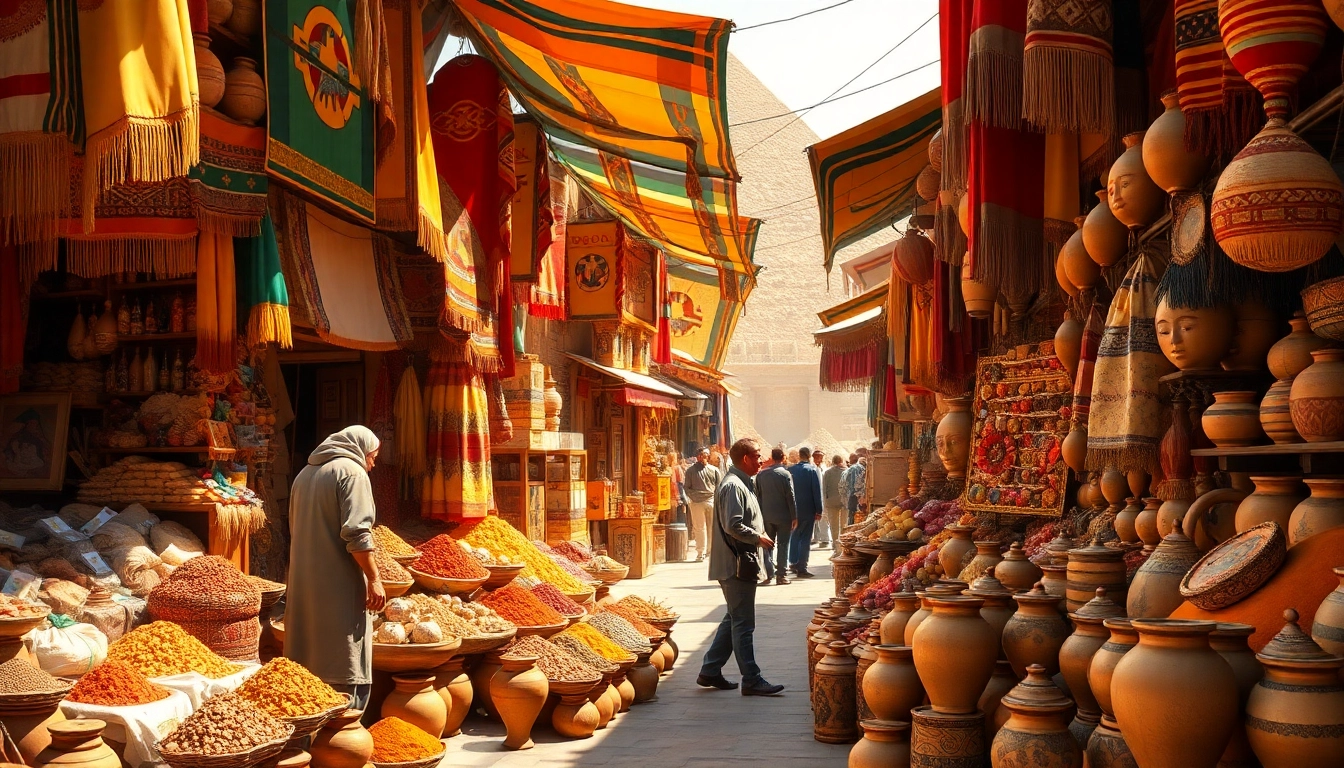
Egypt, a mesmerizing land steeped in ancient history and vibrant culture, draws millions of travelers every year. Its rich tapestry of civilization, stunning landscapes, and iconic archaeological wonders creates an irresistible allure for those seeking adventure and knowledge alike. This comprehensive guide, presented by https://emegypt.net, aims to deepen your understanding of Egypt’s multifaceted identity, provide essential travel information, and highlight unforgettable experiences.
Understanding Egypt: A Historical Perspective
The Ancient Civilizations of Egypt
The roots of Egyptian civilization stretch back over 5,000 years, making it one of the oldest continuous cultures in the world. Ancient Egypt was characterized by its remarkable achievements in writing, architecture, and governance, showcasing a society that valued order, prosperity, and innovation.
The hieroglyphic writing system, thought to be sacred, facilitated record-keeping and storytelling, allowing the Egyptians to document their history and religious beliefs extensively. The creation of massive structures like the pyramids and temples stands as a testament to their engineering prowess. The Great Pyramid of Giza, for instance, remains one of the Seven Wonders of the Ancient World, attracting countless visitors with its sheer size and historical significance.
Moreover, the influence of gods and goddesses permeated Egyptian life, guiding their understanding of death and the afterlife. The construction of elaborate tombs in the Valley of the Kings reflects this belief, with pharaohs buried alongside treasures to ensure comfort in the afterlife. These ancient practices continue to captivate scholars and enthusiasts, revealing the complexities of a society that mastered both the spiritual and the material.
The Influence of Islam in Egypt
Following the arrival of Islam in the 7th century, Egypt underwent profound transformations. The spread of Islamic culture and religion redefined the social, political, and architectural landscapes. As a result, Cairo emerged as a vibrant center of learning and trade, gaining a reputation for its scholars. The Al-Azhar University, established in the 10th century, is one of the oldest operating universities and remains a key institution for Islamic scholarship today.
The influence of Islamic art and architecture is evident throughout the country, with stunning mosques adorned with intricate calligraphy and geometric patterns. The Citadel of Cairo and the Mosque of Muhammad Ali are prime examples of this architectural heritage, showcasing the aesthetic beauty and spiritual significance embedded in these structures.
Modern Egypt reflects this rich tapestry of history and culture, with Islamic traditions still playing a central role in daily life. Festivals, customs, and societal norms are often intertwined with religious practices, giving visitors a unique perspective on the country’s contemporary identity.
Modern Egypt: A Blend of Old and New
Today, Egypt is a dynamic nation that balances its ancestral legacy with the demands of a modern world. Economic reforms, driven by tourism and trade, have led to urban development while attempting to preserve the cultural heritage that defines the nation. Cities like Cairo and Alexandria showcase a juxtaposition of ancient history and modern infrastructure, with bustling markets and contemporary architecture existing alongside ancient monuments.
Despite facing challenges such as political transitions and economic fluctuations, Egyptians exhibit resilience and adaptability, fostering a culture of hospitality and warmth that welcomes visitors from around the globe. Understanding this blend of ancient traditions and modern realities is critical for appreciating the full depth of Egypt’s cultural identity.
Traveling to Egypt: Essential Preparations
Visas and Entry Requirements for Egypt
Before traveling to Egypt, it is essential to familiarize yourself with the visa requirements. Many foreign nationals can obtain visas upon arrival at the airport, while others may need to apply in advance. The validity of the visa typically ranges from 30 to 90 days, allowing a sufficient window for exploration.
Ensure your passport is valid for at least six months beyond your intended stay, and check if you require additional documentation such as proof of accommodation or a return ticket. Following up with an official government source for the latest travel advisories and entry requirements will help ensure a smooth entry into the country.
Health and Safety Tips for Travelers
Health and safety are paramount when planning a trip to Egypt. Consult a healthcare provider for advice regarding vaccinations; common recommendations include those for hepatitis A, hepatitis B, and typhoid fever. Moreover, acquiring travel insurance is advisable to cover unexpected medical expenses.
While Egypt is generally safe for travelers, it’s crucial to stay informed about local customs and security alerts. It is advisable to stick to well-trafficked areas, especially during the night, and to remain aware of your surroundings, as this fosters a more secure travel experience.
Best Times to Visit Egypt
The optimal times to visit Egypt are typically during the cooler months of October through April. During this period, temperatures are milder, making it more comfortable to explore the outdoors and partake in sightseeing activities. However, traveling during the off-peak months of May to September can lead to lower prices and fewer crowds, although the summer heat can be intense, particularly in the south.
Ultimately, considering your preferences and planned activities can help in determining the best time for your visit.
Exploring Egypt’s Iconic Landmarks
The Pyramids of Giza: Wonders of the Ancient World
The Pyramids of Giza are perhaps the most iconic symbols of ancient Egypt, drawing visitors from around the globe. The Great Pyramid, built for Pharaoh Khufu, showcases an architectural marvel—originally standing at 146 meters, it was the tallest man-made structure in the world for over 3,800 years.
A guided tour of the site offers insights into the construction techniques, burial practices, and the historical significance of these monumental structures. Moreover, ascending the surrounding plateaus provides stunning views of the complex as well as a glimpse into the surrounding desert landscape.
Experiencing the pyramids at sunrise or sunset, when the golden light bathes the stones in a warm glow, adds to the spiritual ambiance of the visit, making it a memory that lingers long after you depart.
The Luxor Temple: A Journey Through History
Located in the heart of Luxor, the Luxor Temple serves as a remarkable example of ancient Egyptian architecture and religious devotion. Constructed during the reign of Pharaoh Amenhotep III, the temple was later expanded by Ramses II. Its massive columns, intricate hieroglyphics, and grand sculptures narrate tales of gods and pharaohs, inviting visitors to immerse themselves in its storied past.
The temple also plays a vital role in the annual Opet Festival, where the statue of the god Amun is carried from Karnak to Luxor, symbolizing the connection between the gods and the ruling pharaoh.
Walking through the towering entrance and exploring the various chambers allows you to appreciate the craftsmanship and spiritual significance embedded in every detail.
The Valley of the Kings: Secrets of the Pharaohs
The Valley of the Kings, a UNESCO World Heritage site, is a burial ground for many of Egypt’s pharaohs. Tucked away in the mountains near Luxor, it is home to more than 60 tombs, including that of the famous Tutankhamun. Each tomb is a unique insight into the art and beliefs of ancient Egyptians regarding death and the afterlife.
Visitors can descend into some of the tombs, witnessing intricate wall paintings and reliefs that depict various deities and scenes from the deceased’s life. The Valley’s arid landscape adds to its mystique, providing a serene backdrop that allows for reflection on the legacy of the rulers interred here.
Exploring the Valley of the Kings is not just a historical investigation; it is a journey into the beliefs and aspirations that animated one of history’s most fascinating civilizations.
Cultural Etiquette and Traditions in Egypt
Understanding Egyptian Hospitality
Egyptian hospitality is renowned, often characterized by warmth and generosity. Guests are typically greeted with enthusiasm, and it is common for hosts to offer food and drink as a gesture of welcome. Accepting invitations for tea or a meal is a sign of respect and appreciation.
When interacting with locals, consider using polite phrases such as “Shokran” (thank you) and “Ahlan wa sahlan” (welcome). Such simple gestures can significantly enhance your experience, fostering more genuine connections with the people you meet.
Common Cultural Practices to Respect
Understanding cultural practices is imperative for respectful engagement while in Egypt. Dress modestly, especially when visiting religious sites, as this shows appreciation for local customs. Women should cover their shoulders and knees, while men should avoid shorts in places of worship.
Public displays of affection are generally frowned upon and may attract unwanted attention, so it is wise to keep such behaviors discreet. Similarly, eating and drinking in public during the holy month of Ramadan may be considered disrespectful, so travelers should be mindful of this timing during their visit.
Language Tips: Communicating in Egypt
Arabic is the official language of Egypt, and while many Egyptians, especially in tourist areas, speak English, learning a few basic Arabic phrases can greatly enhance your interactions. Simple greetings, such as “Salam Alaykum” (peace be upon you) or “Ma’a Salama” (goodbye), demonstrate respect and can lead to friendlier exchanges.
Arabic is a rich language with many dialects; focusing on basic conversational phrases helps bridge the cultural divide, allowing deeper interactions with the local population.
Outdoor Adventures and Experiences in Egypt
Exploring the Nile: Cruises and Activities
The Nile River, often referred to as the “Lifeblood of Egypt,” is not only a source of sustenance but also a major attraction for tourists. A cruise along the Nile offers a unique opportunity to witness the beauty of the river while exploring historic sites dotted along its banks.
Cruises typically range from a few days to a week, with itineraries that include stops at key locations such as Aswan and Luxor. Travelers can enjoy guided tours, discovering ancient temples, bustling markets, and picturesque landscapes. Sunset views over the Nile are particularly breathtaking, providing a serene end to fulfilling days.
Desert Adventures: Safaris and Sightseeing
Egypt’s deserts are vast and diverse, offering thrilling experiences for adventure seekers. Desert safaris can range from camel rides to quad biking, providing a chance to appreciate the stark beauty of sand dunes and rocky landscapes.
The White Desert, famous for its unique chalk rock formations, and the Black Desert, with its dark volcanic hills, are captivating destinations. Camping under the stars in the tranquility of the desert can be a transformative experience, allowing a moment of reflection amidst nature.
Culinary Delights: Food Experiences in Egypt
Egyptian cuisine is a vibrant mix of flavors and traditions, with dishes that reflect the country’s history. Must-try foods include koshari, a hearty mixture of lentils, rice, and pasta topped with a spicy tomato sauce, and ful medames, a fava bean dish often served for breakfast.
Street food is also a popular aspect of Egyptian culture. Sampling local delicacies from bustling markets provides insight into daily life and culinary traditions. Coupled with traditional mint tea or a sweet dessert like basbousa, food becomes an essential component of your travel experience in Egypt.
In conclusion, Egypt is a land of contrasts—where ancient history meets modern life, and diverse cultures shape a unique national identity. By understanding its history, preparing adequately for travel, and embracing the local customs, you can create unforgettable memories that will last a lifetime. Whether you gaze upon the pyramids, explore vibrant bazaars, or savor delicious cuisine, each moment in Egypt contributes to a deeper appreciation of this extraordinary country.