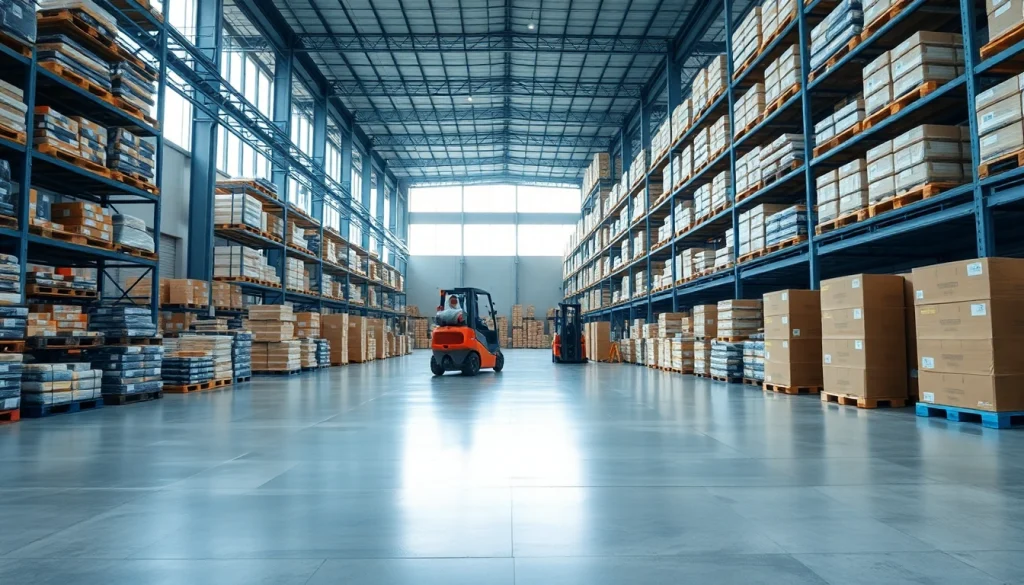
Understanding Warehousing: Definitions and Importance
Warehousing is an essential component of the supply chain, impacting logistics efficiency and the overall operational strategies of businesses across various sectors. It involves the storage of goods and materials before they are distributed to retailers, distributors, or customers. In this comprehensive article, we will explore the multifaceted world of warehousing, examining its definitions, functions, types, benefits, challenges, and strategies for success.
What is Warehousing?
A warehouse is a large building where raw materials, intermediate goods, or finished products are stored for an indefinite period. The concept of warehousing extends beyond mere storage; it involves the management of inventory, distribution, and logistics to ensure that goods are stored safely and retrieved efficiently when needed. Warehousing serves various purposes such as reducing transportation costs, improving customer service, and enabling businesses to respond promptly to market demands.
Key Functions of Warehousing
The primary functions of warehousing can be categorized as follows:
- Storage: The primary function of a warehouse is to provide temporary storage for goods. This allows businesses to manage supply and demand effectively without overstocking or understocking.
- Cross-Docking: This method involves unloading products from incoming transport and loading them directly onto outbound vehicles with minimal handling and storage time. It reduces the need for storage and enhances the speed of distribution.
- Order Fulfillment: Warehouses play a critical role in order processing, where goods are picked, packed, and shipped based on customer orders.
- Inventory Management: Effective warehousing requires detailed tracking and management of inventory levels to ensure optimal stock levels and minimize holding costs.
Importance of Efficient Warehousing
Efficient warehousing can significantly impact a company’s bottom line and service levels. Here are a few reasons why efficiency in warehousing is crucial:
- Cost Reduction: Efficient warehousing reduces overall operational costs by minimizing labor, transportation, and inventory holding expenses.
- Speed and Agility: Quick retrieval and shipment of items enable businesses to respond faster to market changes and customer demands.
- Enhanced Customer Satisfaction: Timely and accurate order fulfillment leads to higher customer satisfaction and retention rates.
- Risk Management: Proper warehousing techniques can mitigate risks associated with inventory loss, damage, or obsolescence.
Types of Warehousing Solutions
Public vs. Private Warehousing
Public and private warehousing are the two main types of warehousing solutions, each serving different business needs:
- Public Warehousing: These are facilities owned by a third party and rented out to businesses on a short-term basis. They are cost-effective for companies that need flexible storage solutions without the commitment of a long-term lease.
- Private Warehousing: Owned and operated by companies for internal use. Private warehouses allow businesses to have total control over their inventory and storage processes, making them ideal for companies with stable or large volumes of inventory.
Automated Warehousing Solutions
Automation is a game-changer in warehousing operations. Automated warehousing solutions involve the use of technology, such as robotics and AI, to streamline processes. Key elements include:
- Automated Storage and Retrieval Systems (AS/RS): These systems use automatic machines and software to handle the storage and retrieval of goods, significantly increasing efficiency and accuracy.
- Robotics: Robots are increasingly used for picking and packing operations, which enhances speed and reduces labor costs.
- Inventory Management Software: Software solutions help in tracking inventory levels, shipments, and replenishment tasks, making it easier to optimize stock management.
Specialized Types of Warehousing
Different industries may require specialized warehousing strategies to cater to unique products or services:
- Cold Storage Warehousing: This type is designed for perishable goods that require temperature control, such as frozen foods and pharmaceuticals.
- Retail Warehousing: Retailers may use dedicated warehouses to manage their wide range of inventory efficiently, focusing on timely deliveries to stores.
- Hazardous Material Warehousing: Warehouses that handle hazardous materials must comply with specific safety regulations and have specialized storage capabilities.
Benefits of Effective Warehousing
Cost Efficiency and Operational Streamlining
Effective warehousing practices lead to significant cost savings. By optimizing space and reducing operational inefficiencies, businesses can:
- Lower overhead costs related to warehousing operations.
- Minimize transportation costs by strategically locating warehouses closer to key markets.
- Reduce waste and loss due to better inventory management practices.
Enhanced Inventory Management
Well-managed warehousing systems contribute to enhanced inventory management through:
- Improved accuracy in inventory tracking, leading to better stock availability and fewer stockouts.
- Effective utilization of space, allowing for optimal product rotation and storage.
- Data analytics that provide insights into purchasing trends, enabling better forecasting and inventory replenishment.
Improved Customer Satisfaction
Streamlined warehousing processes have a direct impact on customer satisfaction. Key benefits include:
- Quicker delivery times due to efficient picking and packing operations.
- Higher accuracy rates in order fulfillment, resulting in fewer customer complaints and returns.
- Enhanced service levels by offering real-time inventory visibility to customers.
Challenges in Warehousing Management
Common Issues Faced in Warehousing
Despite its many benefits, warehousing comes with its own set of challenges:
- Space Constraints: As businesses grow, the demand for additional storage space can lead to overcrowding and inefficiencies.
- Labor Shortages: The warehousing industry often faces challenges in hiring and retaining skilled labor, impacting productivity.
- Inventory Inaccuracies: Poor tracking processes can lead to overstocking or stockouts, affecting the bottom line.
- Safety Concerns: Warehousing operations can be hazardous, necessitating strict adherence to safety protocols to avert accidents.
Strategies to Overcome Warehousing Challenges
To address the challenges in warehousing management, companies can implement several strategies:
- Space Optimization: Implementing vertical storage solutions and better layout designs can help maximize storage capacity.
- Training Programs: Regular training and development programs for staff can improve efficiency and safety awareness among employees.
- Regular Audits: Conducting regular inventory audits can help identify discrepancies and enhance inventory accuracy.
- Safety Procedures: Establishing clear safety protocols and providing proper equipment can reduce workplace incidents.
The Role of Technology in Addressing Challenges
Technology plays a vital role in streamlining warehousing operations and addressing common challenges:
- Warehouse Management Systems (WMS): A WMS can improve inventory accuracy, optimize picking routes, and manage labor more effectively.
- Automation: Robotics and automated systems can significantly enhance productivity and reduce labor costs.
- Data Analytics: Advanced analytics tools can provide insights into operational bottlenecks and improve decision-making processes.
Measuring Success in Warehousing Operations
Performance Metrics for Warehousing
To gauge the success of warehousing operations, businesses should rely on key performance indicators (KPIs) such as:
- Order Accuracy: Measuring the accuracy of order fulfillment to ensure customer satisfaction.
- Inventory Turnover: Evaluating how swiftly inventory is sold and replaced.
- Storage Space Utilization: Assessing how effectively the storage capacity is used, indicating efficiency levels.
- Cycle Time: The time taken to receive, process, and ship goods, impacting overall operational efficiency.
Evaluating Warehouse Efficiency
To maintain or improve efficiency, regular evaluations should be conducted through:
- Benchmarking: Compare performance against industry standards or best practices to identify improvement areas.
- Feedback Mechanisms: Establishing channels for employee and customer feedback can highlight potential improvements.
- Continuous Process Improvement: Apply methodologies such as Six Sigma or Kaizen to systematically enhance warehousing processes.
Continuous Improvement Practices in Warehousing
Continuous improvement is essential for long-term success in warehousing. Practices include:
- Lean Warehousing: Implementing lean principles reduces waste and enhances value by optimizing resources and processes.
- Employee Engagement: Involving employees in improvement initiatives fosters a culture of accountability and innovation.
- Regular Training: Ongoing training ensures that staff are up-to-date with the latest best practices and technologies.