Understanding Structural Steel Fabrication
What is Structural Steel Fabrication?
Structural steel fabrication is a critical process in the construction and engineering industries, involving the preparation, cutting, bending, and assembly of steel components to create structures that can support load-bearing needs. This process not only includes the manufacturing of steel beams and other essential materials but also ensures that these components meet stringent specifications for safety and durability. As industries increasingly recognize the significance of using structural steel fabrication, understanding its intricate process and relevance becomes paramount.
History and Evolution of Structural Steel Fabrication
The roots of structural steel fabrication can be traced back to the industrial revolution in the 19th century when steel began to replace iron as the primary material for buildings and infrastructure due to its superior strength-to-weight ratio. Initially, structures were limited to smaller buildings and bridges; however, advancements in steel production techniques and fabrication processes allowed for larger and more intricate designs, exemplified by iconic structures like the Eiffel Tower and skyscrapers that define modern city skylines. Over the decades, techniques have evolved from manual labor-intensive processes to automated and sophisticated methodologies, utilizing cutting-edge technology for precision and efficiency.
Key Components of Structural Steel Fabrication
Structural steel fabrication encompasses a variety of components that are essential for building robust structures. Key components include:
- Steel Beams: Widely used in construction for load-bearing, available in various shapes such as I-beams and H-beams.
- Columns: Vertical structures providing support to beams and roof structures.
- Plates: Flat pieces of steel used for creating beams or customizing structural shapes.
- Brackets: Connectors that allow different elements of a structure to be securely attached.
- Connections: Welded or bolted junctions ensuring stability and strength across the entire structure.
The Process of Structural Steel Fabrication
Preparation of Materials in Structural Steel Fabrication
The journey of structural steel fabrication begins with the selection and acquisition of raw steel materials, typically in the form of steel sheets, plates, and beams. Once sourced, these materials undergo inspection for quality and specifications to ensure they meet industry standards. The preparation stage may involve cleaning, cutting to size, and surface treatment to remove contaminants which can lead to corrosion or defects in the final assembly. Proper preparation is critical as it lays the foundation for subsequent fabrication stages.
Cutting and Bending Techniques Used
Cutting and bending are crucial operations within the structural steel fabrication process. Various techniques are employed to achieve precision:
- Shearing: A process that involves cutting steel sheets to specific sizes using powerful blades.
- Plasma Cutting: Utilizes a high-velocity jet of ionized gas to cut thick materials with high precision.
- Oxy-Fuel Cutting: A method where steel is heated to high temperatures using flames before being cut with oxygen.
- Bending: Techniques such as press braking and roll bending allow steel to be shaped into required angles and curves for structural integrity.
Welding and Assembly Methods
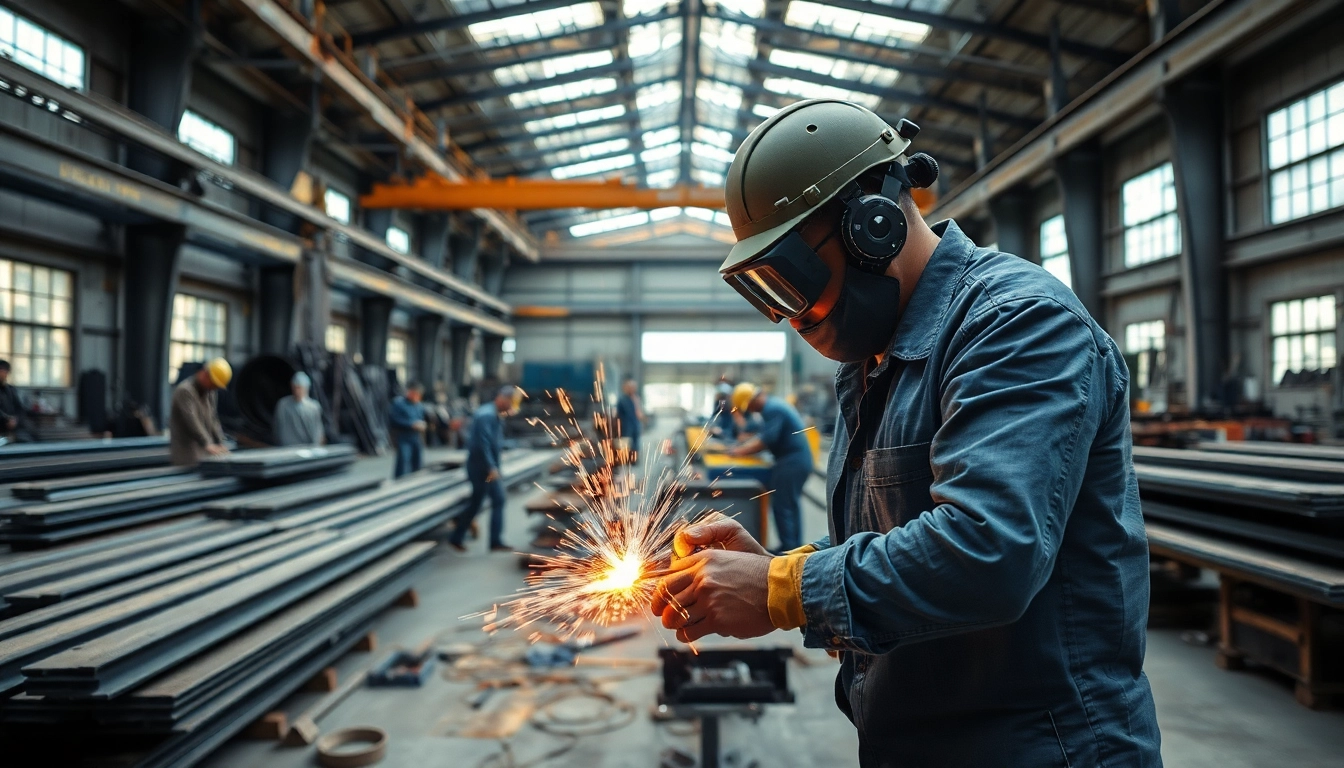
Once cut and bent, the next step in structural steel fabrication is the welding and assembly of components. Welding is a vital skill that ensures structural integrity and load-bearing capacity. Common methods include:
- Arc Welding: Uses an electric arc to melt metals together, creating a strong bond.
- MIG Welding: A process that utilizes a continuous feed of metal to create the weld, ideal for thin materials.
- TIG Welding: Provides high-quality and aesthetically pleasing welds, especially useful for thinner materials.
- Bolted Connections: Often used in combination with welding, bolted assemblies allow for demountable structures, which are advantageous in construction.
Quality Control in Structural Steel Fabrication
Importance of Quality Standards in Structural Steel Fabrication
Quality standards are fundamental in the structural steel fabrication industry, ensuring safety and durability in finished products. Adhering to standards set by organizations such as the American Institute of Steel Construction (AISC) ensures that fabricated steel meets the highest level of engineering and technical requirements. Compliance is critical not only for safety but also for reliability in the performance of structures over time.
Inspection Techniques in Structural Steel Fabrication
Regular inspections at various stages of the fabrication process are essential for maintaining quality assurance. Techniques include:
- Visual Inspection: The initial and most straightforward inspection method to identify surface defects or irregularities.
- Nondestructive Testing (NDT): Involves techniques such as ultrasound, magnetic particle tests, and dye penetrants, allowing for internal flaws detection without damaging the material.
- Dimensional Inspection: Ensures that all components are manufactured to precise dimensions as determined in the design phase.
Common Quality Assurance Practices
Quality assurance practices within structural steel fabrication often include systematic documentation and tracking of materials, rigorous testing protocols, and the establishment of feedback mechanisms. Training and certification for employees involved in fabrication processes further emphasizes the importance of maintaining quality standards across all operations.
Challenges in Structural Steel Fabrication
Material Cost Fluctuations
One significant challenge facing the structural steel fabrication industry is the constant fluctuation in raw material costs. Prices can be highly volatile due to various factors including global demand, trade policies, and mining operations. This variability can impact project budgets significantly, making it essential for companies to develop robust cost management strategies and maintain strong supplier relationships to mitigate risks.
Labor Skill Shortages
As the industry increasingly relies on technology and specialized skills, a shortage of qualified labor has emerged as a pressing challenge. Skilled trades such as welding and metalworking face a declining workforce, compounded by an aging demographic. Companies must invest in training programs, apprenticeships, and outreach campaigns to attract new talent to ensure a skilled workforce that can meet contemporary challenges.
Environmental Impact Considerations
Environmental concerns regarding sustainability in the structural steel fabrication process have gained prominence amid growing awareness of climate change. Fabrication practices must now consider the lifecycle of steel, implementing eco-friendly techniques for material sourcing, energy consumption, and waste management. Emphasizing recyclability and reducing emissions throughout production will not only comply with regulations but also enhance corporate responsibility and public perception.
Future Trends in Structural Steel Fabrication
Technological Innovations in Structural Steel Fabrication
The future of structural steel fabrication promises to be shaped heavily by advancements in technology. Innovations such as 3D printing of metal components, augmented reality for assembly guidance, and enhanced design software are transforming how fabricators produce and assemble steel structures. Automation also plays a vital role, from robotic welders to automated cutting machinery, which significantly boosts efficiency and precision.
Sustainable Practices in Structural Steel Fabrication
In response to environmental challenges, sustainable practices are becoming integral to the structural steel fabrication process. These practices include using recycled materials, optimizing energy-efficient processes, and employing life-cycle assessments to determine the long-term impact of production methods. Companies adopting sustainable strategies will not only align with regulatory requirements but also appeal to environmentally-conscious clients.
The Role of Automation in Structural Steel Fabrication
Automation is set to redefine the landscape of structural steel fabrication by enhancing productivity and reducing labor costs. The adoption of robotics and computerized systems can streamline processes from cutting and welding to logistics and assembly. Predictive maintenance powered by IoT will also ensure equipment operates at optimal levels, reducing downtime and improving overall efficiency.