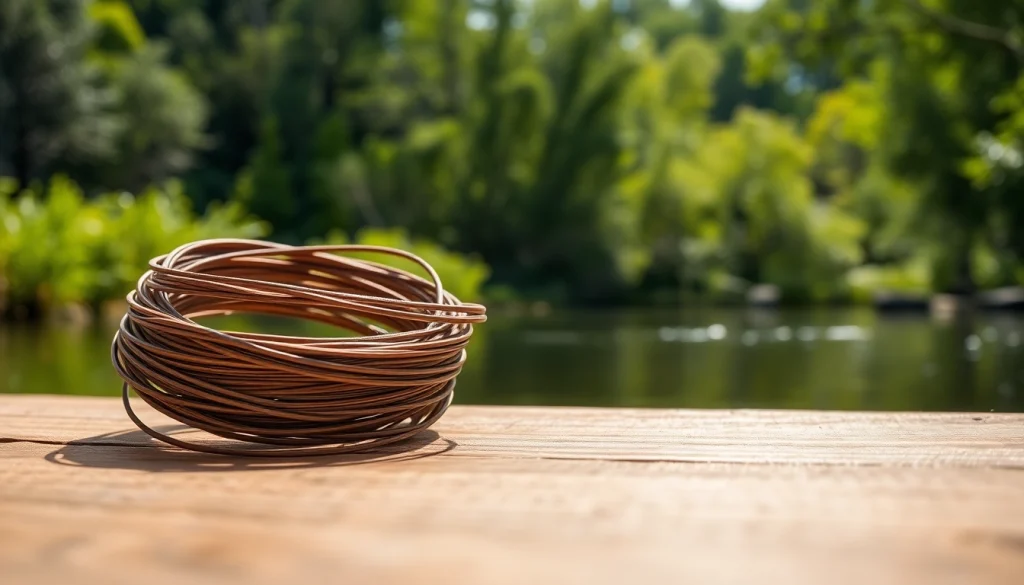
Understanding Fly Fishing Line
When it comes to fly fishing, selecting the right gear is essential for successful outings. Among the various components of fly fishing equipment, Fly fishing line plays a crucial role in casting techniques, lure presentation, and catching fish effectively. In this comprehensive guide, we will explore the intricacies of fly fishing lines, covering their types, how they work, and essential maintenance practices. Whether you are a beginner or a seasoned angler, understanding fly fishing line will enhance your fishing experience.
What is Fly Fishing Line?
Fly fishing line is a specially designed line that allows anglers to cast lightweight flies using a method distinct from conventional fishing. Unlike standard fishing lines, which are typically thin and built for sinking baits, fly lines are thicker and designed to float or sink depending on their type. This unique design enables precision casting and allows the fly to mimic the natural movement of aquatic insects, making it attractive to fish.
Types of Fly Fishing Line
Understanding the various types of fly fishing lines is essential for making informed decisions. The major categories include:
- Floating Fly Line: Typically used for dry fly fishing, this line stays on the water’s surface, allowing the angler to present the fly in a natural manner.
- Sinking Fly Line: This type is designed to sink quickly, making it ideal for fishing in deeper water where fish are likely to be found.
- Intermediate Fly Line: A hybrid that sinks slowly, it’s useful for fishing at mid-depths where fish are found.
- Weight-Forward Fly Line: Featuring a heavier front section, this line facilitates easier casting for larger flies in windy conditions.
- Double Taper Fly Line: This symmetrical line is designed for delicate presentations, especially with dry flies, as it allows for smooth roll casts.
How Fly Fishing Line Works
The functionality of fly fishing line is predicated on its construction and the mechanics of fly casting. The weight of the line plays a pivotal role in casting; heavier lines push the lightweight fly forward. When casting, the angler uses a specific technique that allows for loops in the line, which create lift and propel the fly towards the target. Mastering this technique is crucial for achieving distance and accuracy.
Choosing the Right Fly Fishing Line
Selecting the appropriate fly fishing line guarantees better performance and increases angling success. There are several factors to consider:
Weight and Length Considerations for Fly Fishing Line
Understanding the weight of your fly line is fundamental to matching it with your rod and intended fishing conditions. Fly lines are rated by weight (e.g., 5-weight, 6-weight), which directly correlates to the rod’s specifications. Furthermore, the length of the line should be appropriate for the specific angling scenario, with standard lengths typically ranging from 90 to 100 feet.
Matching Your Fly Fishing Rod
Choosing the right fly fishing line also involves ensuring it matches your rod’s specifications effectively. A mismatch can lead to ineffective casts and poor performance. Match the line weight to your rod’s rating for the best results. For instance, if you have a 5-weight rod, a 5-weight line provides the most versatile use, particularly for most freshwater species.
Common Materials Used in Fly Fishing Line
Fly fishing lines are made from various materials, each with unique properties. The most common materials include:
- Polyvinyl Chloride (PVC): Waterproof and durable, PVC is commonly used for floating lines.
- Co-polymer: This material is often used for sinking lines due to its weight and density.
- Monofilament: A less common choice for fly lines, but frequently used in leaders and tippets due to its great strength and ease of use.
Understanding Fly Line Technology
As technology progresses, advancements in fly line design have made them more efficient and easier to use. This section explores some key areas of innovation in fly line technology.
Floating vs. Sinking Fly Fishing Line
The choice between floating and sinking fly fishing lines is largely determined by the type of fishing you intend to do. Floating lines are sufficient for fishing dry flies and surface lures, allowing for a realistic imitation of insects. Conversely, sinking lines are essential when targeting fish in deeper waters or when using streamers to entice predators below the surface.
Specialty Fly Fishing Lines Explained
Specialty fly fishing lines cater to specific needs, such as saltwater fishing, nymphing, and streamer fishing. These lines have unique taper designs, sink rates, and coating materials tailored to their respective applications. For example, saltwater fly lines are built with durability in mind, as they need to withstand harsh marine environments, while nymphing lines often feature a longer front taper for more precise presentations.
Innovations in Fly Fishing Line Design
Recent innovations in fly line design have significantly improved performance. For instance, many new fly lines feature slick coatings that reduce friction, enabling longer casts with less effort. Additionally, advancements in taper design have enhanced the ability to roll cast and have resulted in improved line control during retrieval.
Maintenance Tips for Fly Fishing Line
Cleaning and Preserving Your Fly Fishing Line
Regular cleaning helps prevent dirt and debris from compromising your line’s effectiveness. Rinse your fly line in freshwater after each use to remove contaminants. A specialized cleaning solution may also be employed for deeper cleaning sessions. After cleaning, dry the line completely before storage to prevent mildew.
Storage Solutions for Fly Fishing Line
Proper storage of your fly fishing line is crucial in preventing tangles and wear. Utilize a line spooler or a dedicated fly line storage system that allows for easy organization and quick access. Avoid leaving your line in direct sunlight for prolonged periods, as UV rays can degrade the material over time.
Recognizing Signs of Wear and Tear
It’s essential for anglers to regularly inspect their fly lines for signs of wear or damage, such as fraying, nicks, or cracks. These issues can severely impact casting performance. Address any signs of damage immediately; in some cases, simply cutting off the damaged section and retying can extend the life of your line.
Frequently Asked Questions About Fly Fishing Line
As you delve into the world of fly fishing, questions are bound to arise. Here are some common inquiries regarding fly fishing line:
How to Choose Your First Fly Fishing Line?
Beginner anglers should start with a versatile weight-forward floating line, as it’s ideal for most types of freshwater fishing. A 5-weight line is a common recommendation, as it provides adequate versatility for various conditions. Aim to match the line with a corresponding 5-weight rod to optimize performance.
What Common Mistakes to Avoid with Fly Fishing Line?
Common pitfalls include mismatching line weight to the rod and neglecting proper maintenance. Ensure that you choose a fly line that corresponds with your rod’s weight and consider the type of fishing you plan to pursue. Regularly cleaning and storing the line correctly can prevent premature wear.
When to Replace Your Fly Fishing Line?
Consider replacing your fly fishing line if you notice signs of significant wear, such as extensive fraying or discoloration. Additionally, if your casting performance declines noticeably or your line consistently tangles, it may be time for a new line to restore optimal fishing experiences.