Understanding Gardening Basics
What is Gardening?
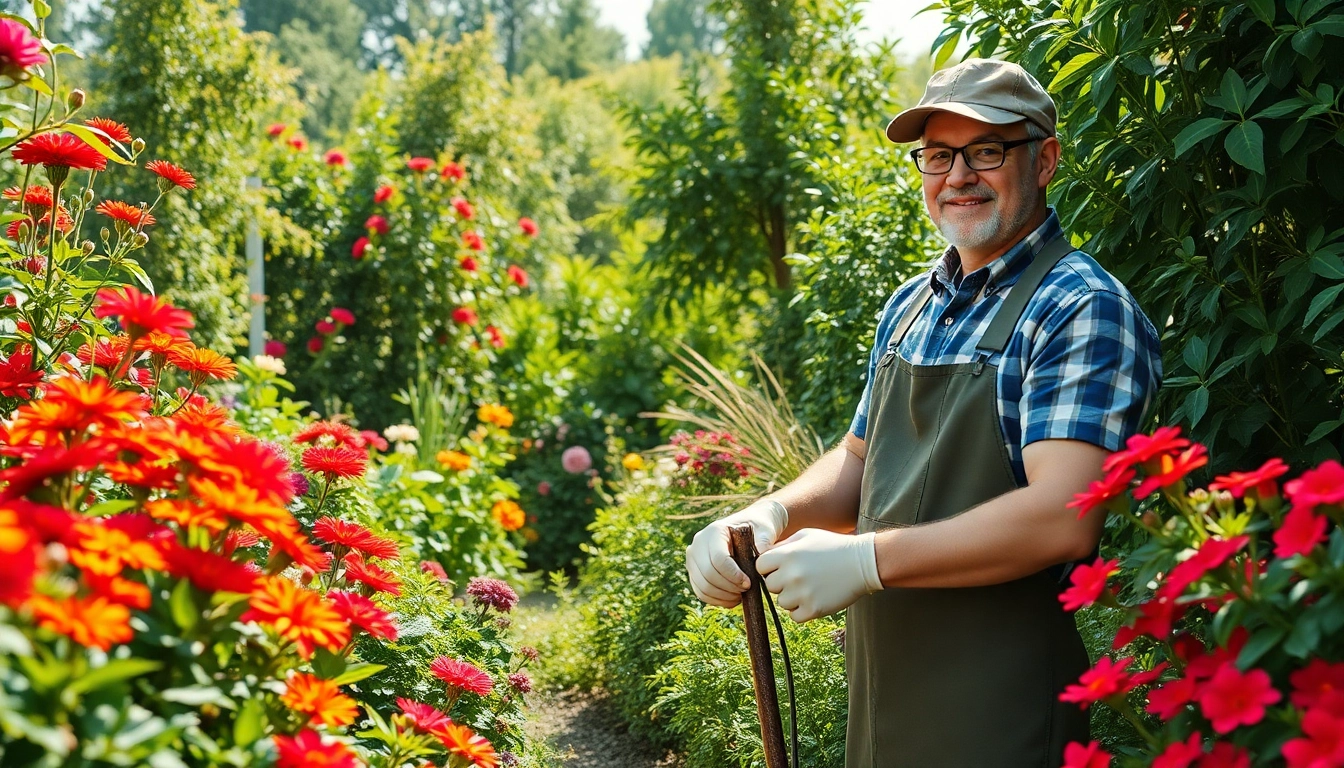
Gardening is a purposeful and rewarding activity that involves cultivating and nurturing plants, primarily for aesthetic enjoyment or practical benefits such as food production. It encompasses a wide range of practices that vary based on plant selection, geographical location, and the gardener’s personal preferences. Whether one is growing vegetables, flowers, or shrubs, gardening offers a unique opportunity to connect with nature while enhancing the environment. In essence, it’s about creating harmonious spaces that reflect both functionality and beauty. This connection is often expressed through Gardening in both urban and rural settings, emphasizing the importance of understanding local ecosystems and weather patterns.
Key Tools for Effective Gardening
Having the right tools is vital for successful gardening. Not only do they make the work easier, but they can significantly impact the health and growth of plants. Some of the essential tools include:
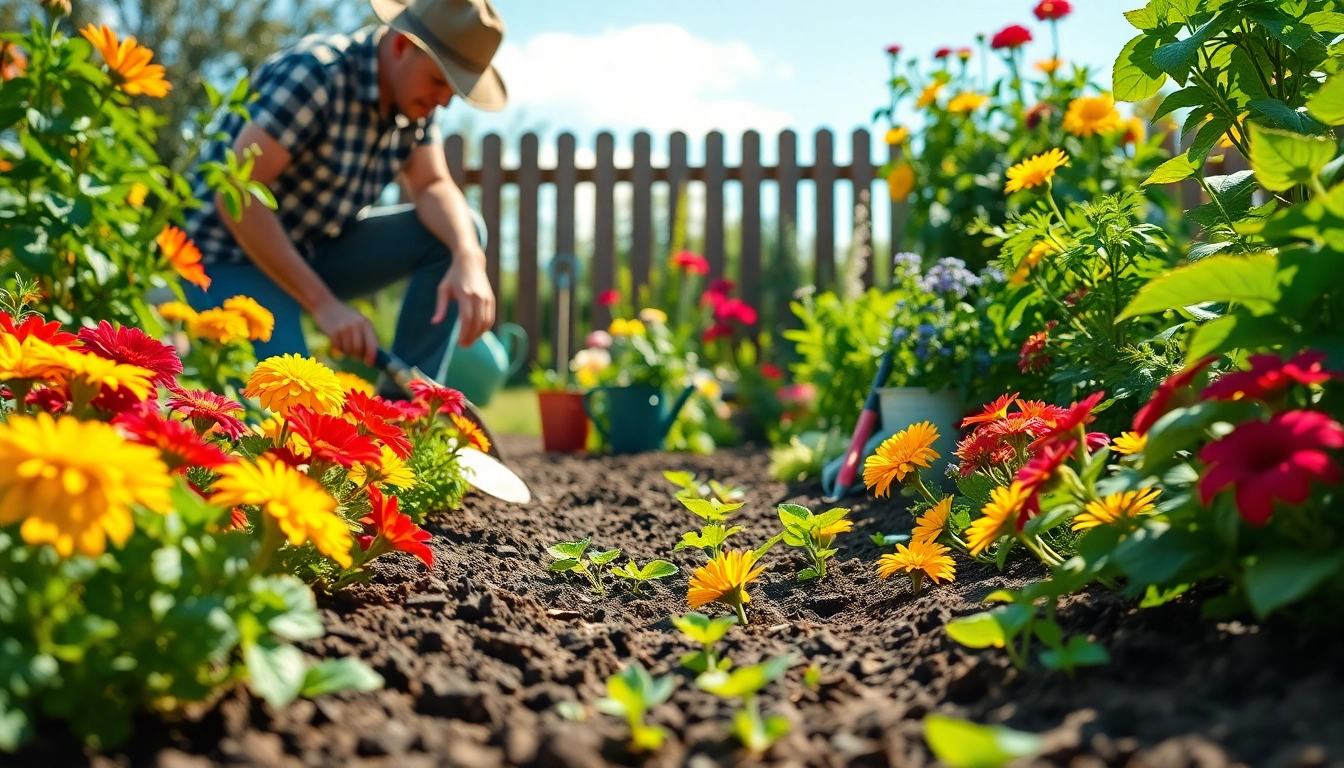
- Garden Spade: Ideal for digging and turning soil, crucial for planting and weeding.
- Hand Trowel: Perfect for planting bulbs and small plants, as well as weeding.
- Pruning Shears: Necessary for trimming plants and maintaining healthy growth.
- Garden Fork: Great for aerating soil and mixing compost.
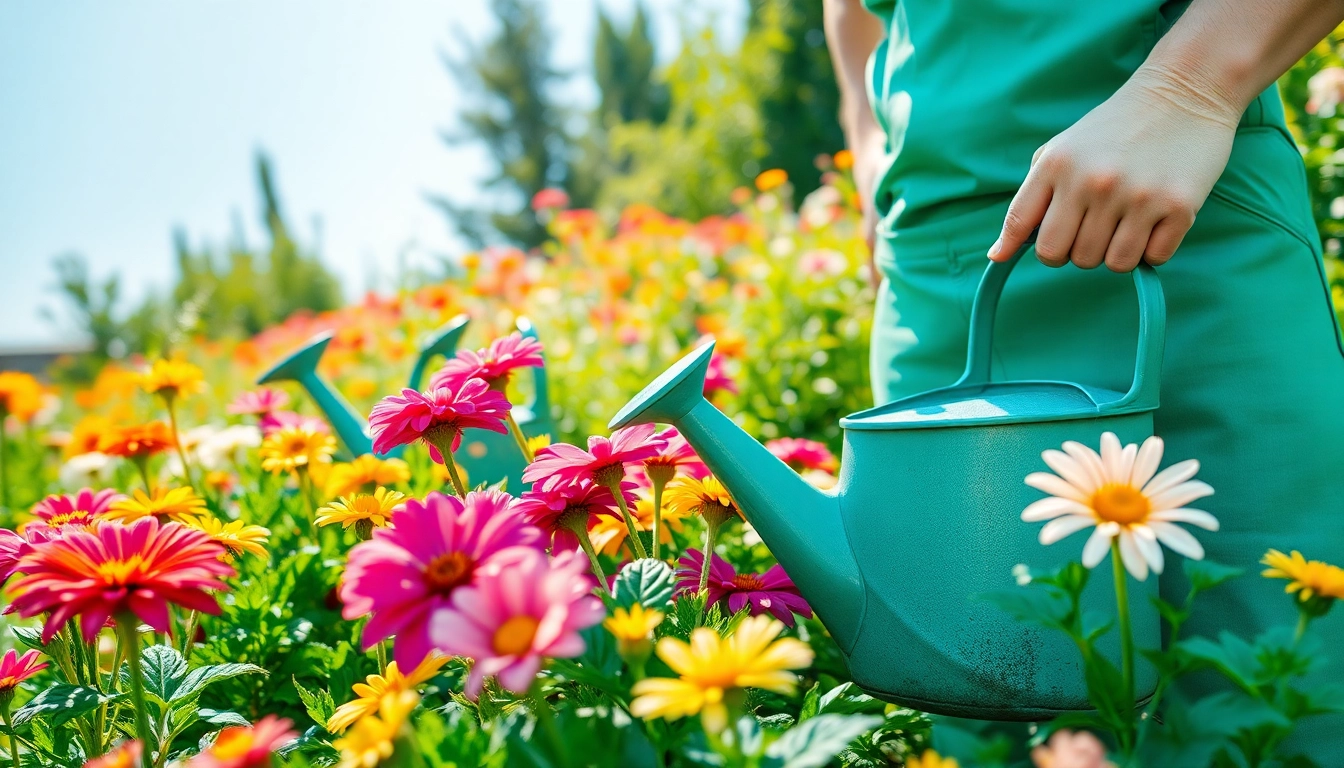
- Watering Can or Hose: Essential for providing plants with water, an indispensable resource in gardening.
Investing in high-quality tools can make gardening easier and more enjoyable, as they tend to last longer and deliver superior performance. Understanding how to use them effectively also contributes to overall gardening success.
Selecting the Right Plants for Your Space
Choosing the right plants is critical in any gardening endeavor. Factors such as the local climate, soil type, and the amount of sunlight your garden receives will largely dictate your options. When selecting plants, consider:
- Climate Zones: Understanding your USDA hardiness zone could help you choose plants that can thrive in your area.
- Plant Size: Select plants appropriate for the space you have, keeping in mind their growth habits.
- Companion Planting: Some plants grow better together. For example, tomatoes and basil can mutually benefit each other.
Researching and planning for the selection of plants ensures they can coexist successfully, enhancing the garden’s beauty and health.
Planning Your Garden Layout
Choosing the Perfect Location
The location of your garden can greatly influence its success. When choosing a site, consider:
- Sunlight: Most vegetables and flowers require at least six hours of direct sunlight each day.
- Drainage: Ensure the area drains well to prevent waterlogging, which can be detrimental to plant health.
- Accessibility: Make sure the space is easy to access for watering, weeding, and harvesting.
Creating a Planting Schedule
Establishing a planting schedule is crucial for maximizing plant growth and yield. This involves:
- Understanding Plant Lifecycles: Different plants have varied growing seasons, and knowing these can help you stagger plantings for extended harvests.
- Compiling a Calendar: Use a gardening calendar that aligns with your climate zone to decide when to start seeds indoors and when to transplant outside.
- Seasonal Rotation: Rotate crops yearly to improve soil health and reduce pests.
Design Elements and Decor
Beyond practicality, a beautiful garden contributes to aesthetics. Designing your garden can involve:
- Pathways: Create paths to easily navigate your garden while enhancing its visual appeal.
- Color Schemes: Plan for the color of flowers and foliage to achieve a harmonious look.
- Vertical Elements: Incorporate trellises or arbors to utilize vertical space, especially in smaller gardens.
Soil Preparation and Maintenance
Testing Soil Quality
The health of your soil is foundational to effective gardening. Begin with soil tests that assess:
- pH Levels: Determine if the soil is too acidic or alkaline for the chosen plants.
- Nutrient Content: Essential nutrients such as nitrogen, phosphorus, and potassium should be at appropriate levels.
- Soil Texture: Understanding whether your soil is sandy, loamy, or clay will affect plant growth.
Improving Soil Fertility
To enhance soil fertility, consider the following techniques:
- Composting: Add organic matter through compost to provide nutrients and improve soil structure.
- Crop Rotation: Use different crops in specific areas to naturally restore nutrients each season.
- Cover Crops: Plant cover crops in the off-season to prevent erosion and enrich the soil.
Maintaining Soil Health Throughout the Season
Ongoing soil management ensures that your garden remains productive and healthy:
- Regular Testing: Conduct periodic soil tests to monitor nutrient levels.
- Mulching: Apply organic mulch to conserve moisture and suppress weeds.
- Soil Aeration: Turn the soil when necessary to improve air circulation and root growth.
Watering and Irrigation Strategies
Understanding Plant Water Needs
Every plant has specific water requirements that need to be understood for optimal growth. Important considerations include:
- Watering Frequency: Establish how often different plants need watering based on their specific needs and local weather conditions.
- Root Depth: Deep-rooted plants might require less frequent watering than shallow-rooted species.
- Water Sensitivity: Keep in mind that overwatering can be as harmful as underwatering.
Effective Irrigation Techniques
Irrigation systems can increase efficiency and reduce water waste. Common methods include:
- Drip Irrigation: Delivers water directly to the plant’s root zone, minimizing evaporation and runoff.
- Soaker Hoses: These hoses allow water to seep out slowly along their length, providing even irrigation.
- Rainwater Harvesting: Collecting rainwater for irrigation is a sustainable practice.
Best Practices for Consistent Moisture
To maintain proper moisture levels, implement these practices:
- Mulching: Helps retain soil moisture and regulate temperature.
- Monitoring Weather Conditions: Adjust your watering schedule based on rainfall and temperature fluctuations.
- Deep Watering: Encourages deep-root growth making plants more drought-resistant.
Harvesting and Enjoying Your Gardening Success
When to Harvest Different Plants
Knowing when to harvest is key to enjoying the fruits of your labor:
- Visually Assessing Plants: Color, size, and firmness can indicate readiness for harvest.
- Friends and Family: Engage others in the harvest to share the experience and knowledge of plant maturity.
- Community Resources: Use local gardening groups or online forums to learn harvest guidelines for specific plants.
Storing and Preserving Your Produce
Once harvested, proper storage is vital to maintaining freshness and quality:
- Refrigeration: Use refrigeration for perishable items like leafy greens and berries.
- Drying: Herbs and some fruits can be dried for longer-term storage.
- Canning and Freezing: Preserve seasonal produce by canning or freezing, ensuring you enjoy their bounty year-round.
Sharing the Joy of Gardening with Others
Gardening can be a community-oriented hobby. Here are ways to share it:
- Community Gardens: Participate in community gardening initiatives to meet fellow enthusiasts and share experiences.
- Workshops and Classes: Host or attend workshops to learn new skills and broaden your gardening knowledge.
- Gift Produce: Share the harvest with friends, family, and neighbors, enhancing both community ties and joy of gardening.