Getting Started with Gardening
Gardening is more than just a hobby; it’s a joyful way to connect with nature, grow your own food, beautify your surroundings, and express creativity. For those looking to delve into this rewarding activity, understanding the basics is key. Whether you’re cultivating flowers, vegetables, or herbs, the foundation of successful gardening lies in preparation and knowledge. This comprehensive guide will provide you with essential information to get started on your Gardening journey.
Understanding Your Garden Space
The first step in any gardening endeavor is to understand your garden space. This includes assessing the size, orientation, and environmental conditions of your garden plot. Take the time to observe how sunlight moves across the area throughout the day, noting which parts experience full sun, partial shade, or full shade. Different plants have different light requirements, so knowing the light conditions of your garden will influence the types of plants you can grow.
Next, consider the soil type in your garden. Is it sandy, clayey, or loamy? Each type has its own characteristics that affect drainage and nutrient retention. Conducting a simple soil test can provide insights into the pH and nutrient levels, helping you determine whether you need to amend the soil to create the ideal growth environment.
Essential Tools for Gardening
Equipping yourself with the right tools can make gardening less daunting and far more enjoyable. Here are some essential tools every gardener should consider:
- Hand trowel: Perfect for digging, planting, and transplanting small plants.
- Pruning shears: Important for shaping plants, removing dead or diseased branches, and harvesting.
- Gardening gloves: Protects your hands from thorns, dirt, and irritation.
- Watering can or hose: Essential for keeping plants hydrated, especially during dry spells.
- Rake: Helps in clearing leaves and debris as well as leveling soil.
Choosing the Right Plants
Choosing the right plants is crucial to a successful garden. Base your selection on your local climate, soil type, and the amount of sunlight your garden receives. Additionally, consider the plants’ water requirements, growth habits, and whether they are annuals or perennials:
- Annuals: Complete their life cycle in one growing season and must be replanted each year. They usually flower more aggressively.
- Perennials: Live for several years, returning each growing season. They often require less maintenance over time.
Additionally, incorporating a variety of plants can create a healthy and visually appealing ecosystem. Consider connecting with local gardening groups, where members can suggest varieties suited to your area.
Basic Gardening Techniques
Preparing the Soil
Before planting, it’s crucial to prepare the soil adequately. Start by clearing the area of weeds, rocks, and debris. Once cleared, loosen the soil with a spade or tiller, breaking up any compacted areas to improve aeration. Mixing in organic matter such as compost can greatly enhance soil fertility, structure, and moisture retention.
If you’ve conducted a soil test, amend the soil with the necessary nutrients, such as lime to increase pH or sulfur to decrease it. Ensure the soil is well-draining by incorporating materials like sand or perlite if necessary.
Watering and Drainage Tips
Watering plants can often be tricky. While plants need sufficient moisture to grow, overwatering can lead to root rot and other issues. The best practice is to water deeply and less frequently, encouraging roots to grow deeper into the soil.
Using mulch can help retain moisture in the soil as well as reduce weed growth. Ensure that pots and garden beds have appropriate drainage systems in place to prevent water pooling, which can create an inhospitable environment for plants.
Organic Pest Control
Encountering pests is a natural part of gardening; however, managing them organically is essential for a healthy garden ecosystem. Monitor your plants regularly to catch any infestations early. You can use homemade insecticidal soaps or neem oil to deter pests. Additionally, introducing beneficial insects like ladybugs can naturally control pest populations.
Avoid using chemical pesticides that can harm not only pests but also beneficial insects, wildlife, and the environment.
Advanced Gardening Practices
Companion Planting Strategies
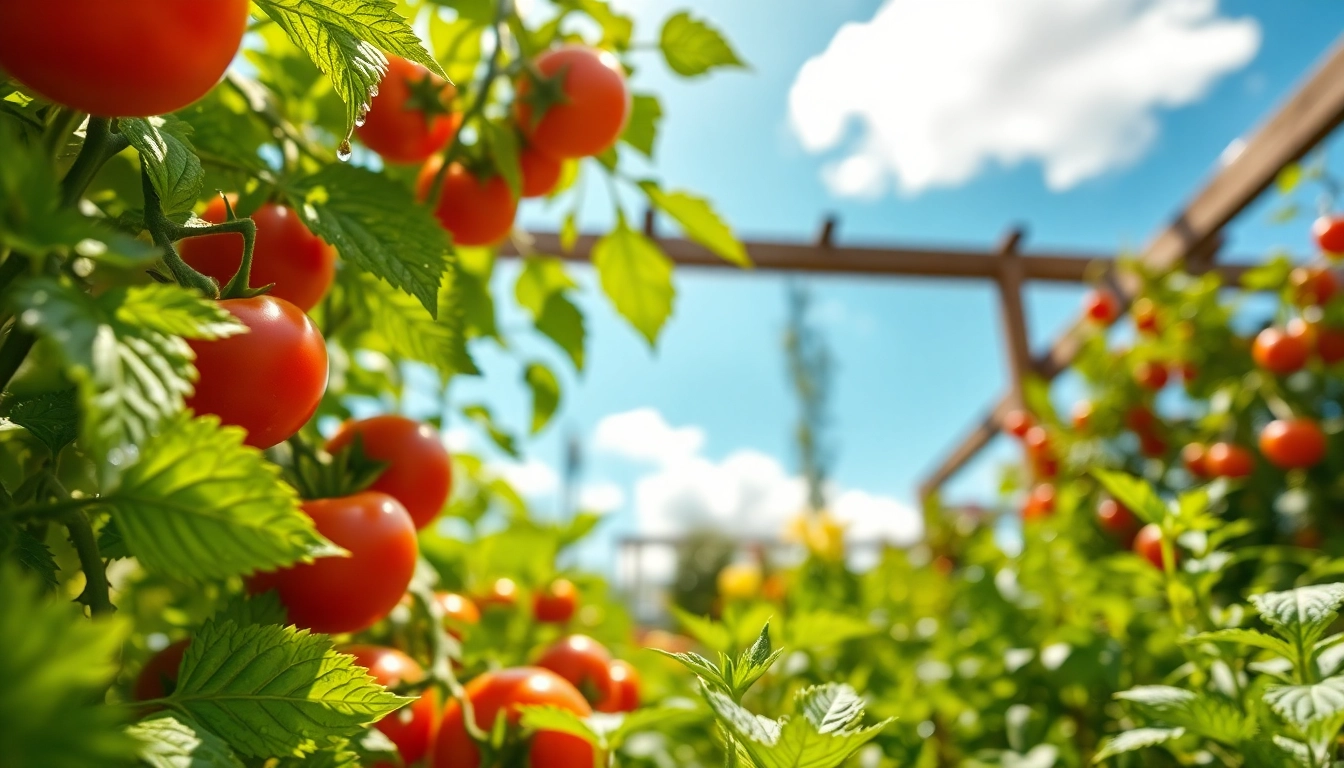
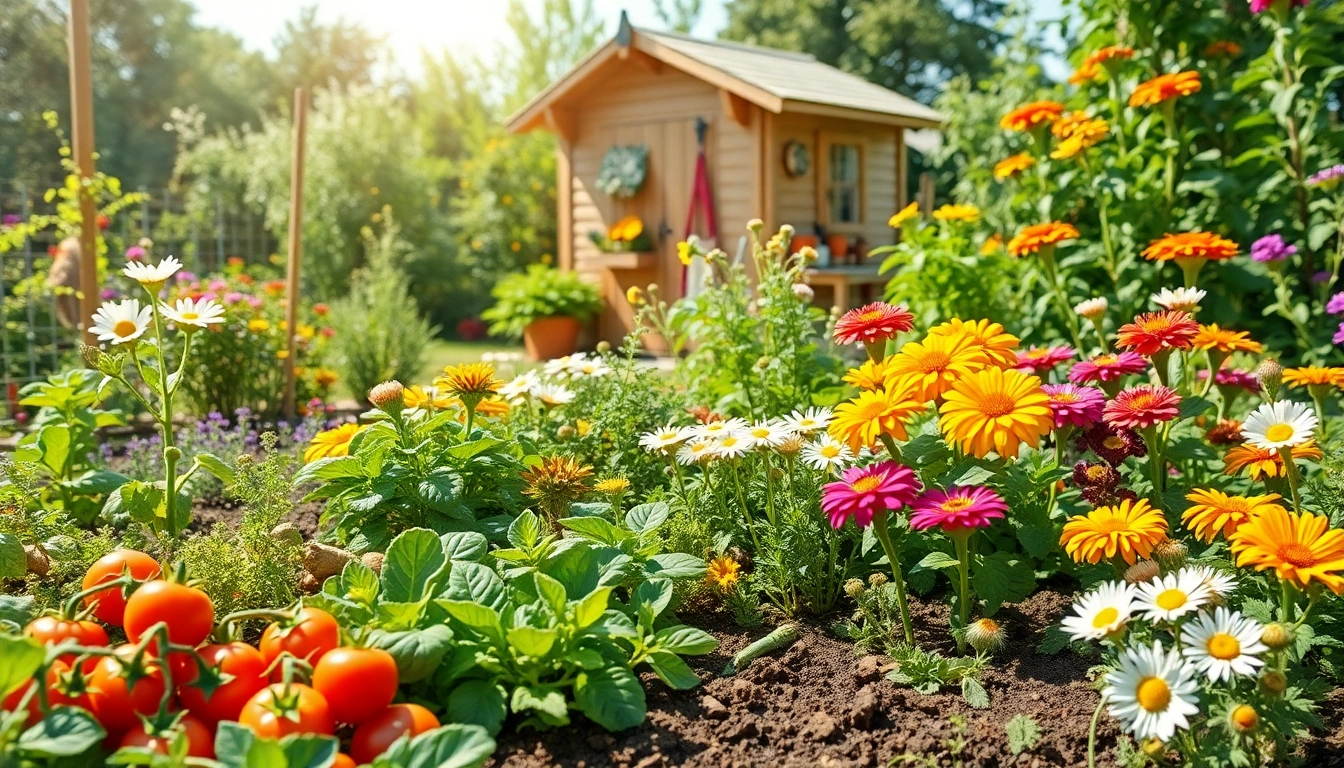
Companion planting involves growing different plants in proximity for mutual benefit. For instance, planting marigolds alongside vegetables may deter pests, while combining tomatoes with basil can enhance flavor and growth. Familiarize yourself with which plants grow well together to create a harmonious garden ecosystem.
Soil Enrichment Methods
Beyond initial soil preparation, continuous soil enrichment is vital. Regularly add organic matter, compost, and mulch to maintain nutrient levels in the soil. Crop rotation can also help manage soil health by varying the nutrient demands placed on the soil over time.
Utilizing cover crops during the off-season can help protect the soil, prevent erosion, and enhance fertility when turned back into the soil.
Seasonal Gardening Adjustments
Adapting to the seasons is key in gardening. Measure the temperature and humidity levels regularly, and adjust your watering, fertilization, and pest control approaches accordingly. Planting while considering the local seasonality will ensure better growth and yield. For instance, adjusting plant choices and care from spring through summer to fall will give an extended harvest period.
Gardening for Sustainability
Using Native Plants
Incorporating native plants into your garden promotes biodiversity and supports local ecosystems. Native plants are adapted to the local climate and soil conditions, requiring less maintenance and water after establishment. They also naturally attract native pollinators and wildlife, creating a robust ecosystem in your garden.
Creating a Wildlife-Friendly Space
Gardening for wildlife means creating habitats that support local fauna. Consider adding bird baths, nesting boxes, and diverse plant species that provide food for birds, butterflies, and beneficial insects. Avoid using synthetic fertilizers and pesticides that may endanger wildlife. By fostering a diverse environment, you’re enhancing both your garden’s beauty and its ecological impact.
Composting Techniques for Beginners
Composting is an excellent way to recycle kitchen and garden waste, turning it into nutrient-rich soil amendment. Start a compost pile by layering green (nitrogen-rich) and brown (carbon-rich) materials. Here are some tips for successful composting:
- Ensure proper aeration by turning the pile every few weeks.
- Moisten dry materials and monitor moisture levels to prevent the pile from becoming too dry or too wet.
- Add a variety of materials to promote a diverse microbiome.
Incorporating compost into your gardening routine can lead to healthier plants and better yields.
Common Challenges in Gardening
Identifying Plant Diseases
Identifying plant diseases early can save your garden from severe damage. Common signs of disease include yellowing leaves, wilting, and unusual spots. It is beneficial to research common diseases tailored to your plant varieties and utilize cultural practices to minimize their occurrence. If a disease occurs, promptly remove affected plants to prevent spreading.
Overcoming Environmental Issues
Environmental challenges such as fluctuating temperatures, droughts, or excessive rainfall can threaten your plants’ viability. Implementing environmental safeguards like windbreaks, shade structures, or strategic irrigation can mitigate the impacts of these conditions and ensure a thriving garden.
Learning from Gardening Mistakes
Gardening is a journey of growth, not just for plants but also for gardeners. Mistakes are part of the learning process, whether from overwatering, poor plant choices, or pest control fails. Maintain a garden journal to track progress and document lessons learned. Reflecting on past challenges will help you become a more effective gardener and promote future success.