Understanding the Basics of Gardening
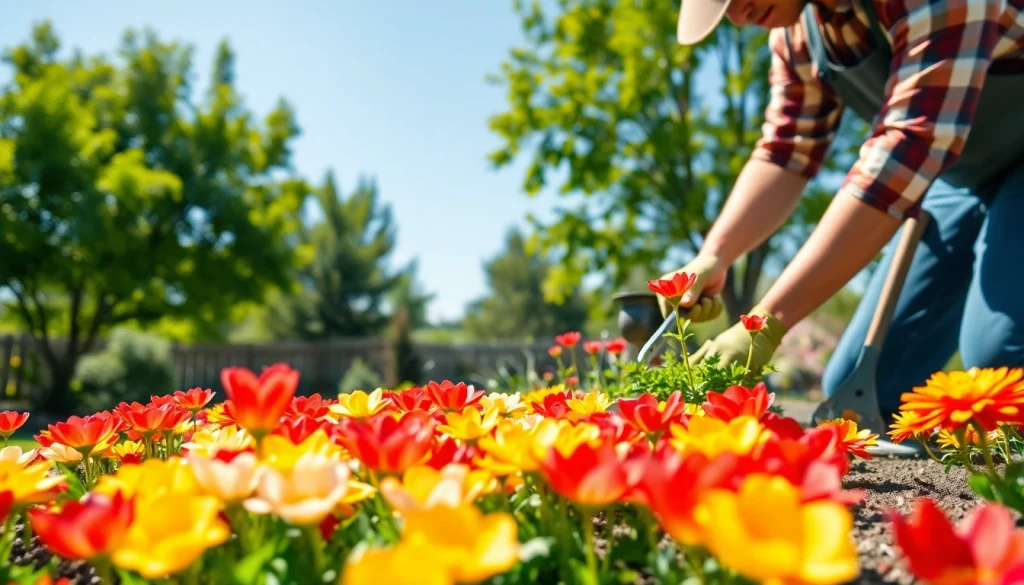
Gardening is more than just a hobby; it is a fulfilling engagement with nature that can enhance both your outdoor space and your mental well-being. Whether you’re looking to grow your own vegetables, beautify your landscape, or simply connect with nature, understanding the fundamentals of Gardening is essential. This guide will take you through the essential aspects of gardening, from soil quality to plant selection and essential care practices.
The Importance of Soil Quality
The foundation of successful gardening starts with soil quality. Soil is a living ecosystem, teeming with microorganisms that help plants grow. Here are the key points to pay attention to:
- Soil Composition: Understanding the components of soil—clay, silt, sand, and organic matter—is crucial. Each type has its own advantages and disadvantages for different plant types.
- pH Levels: The pH of your soil affects nutrient availability. Most plants thrive in slightly acidic to neutral pH levels (between 6.0 and 7.0). Conduct a soil test to determine your soil’s pH and adjust it if necessary.
- Fertility: Enrich your soil with organic matter such as compost. This not only improves soil structure but also adds essential nutrients that promote healthy plant growth.
Choosing the Right Plants for Your Space
Selecting the right plants for your specific gardening space is crucial for a thriving garden. Consider the following factors:
- Climate Zones: Familiarize yourself with your local climate zone. Plants that thrive in one area may struggle in another due to temperature, humidity, and rainfall differences.
- Plant Size and Growth Habit: Consider the mature size of plants, both height and spread. Choose plants that will fit into your intended space without overcrowding.
- Companion Planting: Some plants grow better together. For instance, tomatoes and basil benefit from companion planting, enhancing flavor and aiding pest control.
Sunlight and Watering Needs
Understanding the sunlight and watering needs of your chosen plants will greatly influence their success. Here’s how to navigate these requirements:
- Light Requirements: Identify how much sunlight your gardening area receives—full sun (6+ hours), partial shade (4-6 hours), or full shade (<4 hours)—and align your plant selections accordingly.
- Watering Strategies: Over-watering is a common mistake in gardening. It’s essential to know when to water your plants based on moisture levels in your soil and the specific needs of the plants you are growing.
Essential Tools and Equipment for Gardening
Having the right tools can make all the difference in your gardening experience. Here are the essential tools every gardener should consider:
Hand Tools Every Gardener Should Own
Investing in quality hand tools can save time and effort. Below is a list of basic hand tools you should consider having:
- Hand Trowel: Perfect for planting, weeding, and digging small holes.
- Pruners: Ideal for trimming branches and deadheading flowers to encourage growth.
- Garden Fork: Useful for loosening and aerating soil.
- Weeder: A handy tool for removing weeds without disturbing surrounding plants.
Choosing the Right Container for Plants
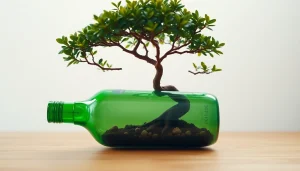
Containers can be a versatile way to garden, especially in limited spaces. Here are some tips for choosing the right containers:
- Size Matters: Ensure the container is sufficiently sized to accommodate the plant’s root system.
- Material: Consider options like ceramic, plastic, or terracotta, which each have different properties for water retention and insulation.
- Drainage: Always choose pots with drainage holes to prevent overwatering and root rot.
Using Accessories to Enhance Your Garden
Accessories can transform a garden space, making it more functional and visually appealing:
- Garden Stakes: Helps to support plants and can also serve as a decorative element.
- Mulch: Using natural mulch (such as bark or straw) helps retain soil moisture and control weeds.
- Plant Labels: Essential for keeping track of plant varieties, especially in a diverse garden space.
Advanced Gardening Techniques
Once you’ve mastered the basics, you may want to explore advanced gardening techniques that can significantly enhance your yield and creativity:
Companion Planting for Better Growth
Companion planting is an ancient strategy that involves pairing plants that benefit each other. Here are some renowned pairings:
- Marigolds and Vegetables: Marigolds can repel nematodes and bad bugs, making them a great companion for vegetable gardens.
- Beans and Corn: Beans add nitrogen to the soil, enriching it for corn, while corn provides height for bean vines to climb.
Organic Gardening Practices
Organic gardening emphasizes natural solutions and sustainability. Here’s how to implement organic practices:
- Pest Control: Use natural pest repellents such as neem oil or insecticidal soap to protect your plants without harmful chemicals.
- Organic Fertilizers: Incorporate compost or well-rotted manure to nourish your plants while improving soil health.
- Crop Rotation: Rotating plant families each season can help prevent soil depletion and reduce pest infestations.
Seasonal Adjustments for Optimal Success
Different seasons require different approaches to gardening. Here’s how to adjust your gardening practices:
- Spring: Focus on sowing seeds and preparing soil. It’s a time for renewal and growth.
- Summer: Pay attention to watering, mulching, and ongoing weeding as temperatures rise.
- Fall: Harvest crops, prepare your garden for winter, and consider planting cover crops to enrich the soil.
- Winter: Use this time for planning next season’s garden and maintaining tools. You can also start seeds indoors.
Troubleshooting Common Gardening Problems
Even the best gardeners encounter challenges. Here are some common gardening problems and their solutions:
Identifying and Managing Pests
Identify pests early to manage them effectively:
- Inspection: Regularly inspect your plants for signs of damage or pest activity.
- Natural Predators: Introduce beneficial insects such as ladybugs to control aphid populations.
- Barriers: Use row covers to physically protect young plants from pests.
Dealing with Plant Diseases
Understanding potential diseases can help in diagnosing problems early:
- Fungal Infections: Implement crop rotation and ensure proper spacing for airflow between plants to reduce disease risk.
- Symptoms to Watch For: Yellowing leaves, wilting, and unusual spots may signify issues that need immediate attention.
Understanding Environmental Factors
Plants are highly sensitive to their environment. Here’s how to manage it:
- Wind Exposure: Use windbreaks, such as hedges or fences, to protect delicate plants from strong winds.
- Temperature Fluctuations: Know your local frost dates and cover vulnerable plants when a cold snap is forecasted.
Enhancing Your Gardening Skills and Knowledge
Your gardening journey does not end with basic knowledge. Continuous learning will enhance your skill set:
Joining Gardening Communities
Networking with fellow gardeners can provide valuable insights:
- Online Forums: Engaging in online gardening communities can connect you with knowledgeable enthusiasts and professionals.
- Local Clubs: Consider joining a local gardening club to exchange tips and resources with nearby gardeners.
Utilizing Online Resources and Tutorials
The wealth of online gardening resources can aid in your growth:
- Video Tutorials: Platforms like YouTube feature numerous channels dedicated to gardening tips and tricks.
- Blogs and Articles: Follow reputable gardening blogs for inspiration and new techniques.
Continual Learning from Experienced Gardeners
Seek mentorship from seasoned gardeners:
- Workshops: Attend gardening workshops to learn from experts and gain hands-on experience.
- Gardening Courses: Enroll in courses offered by local colleges or community centers to deepen your understanding.