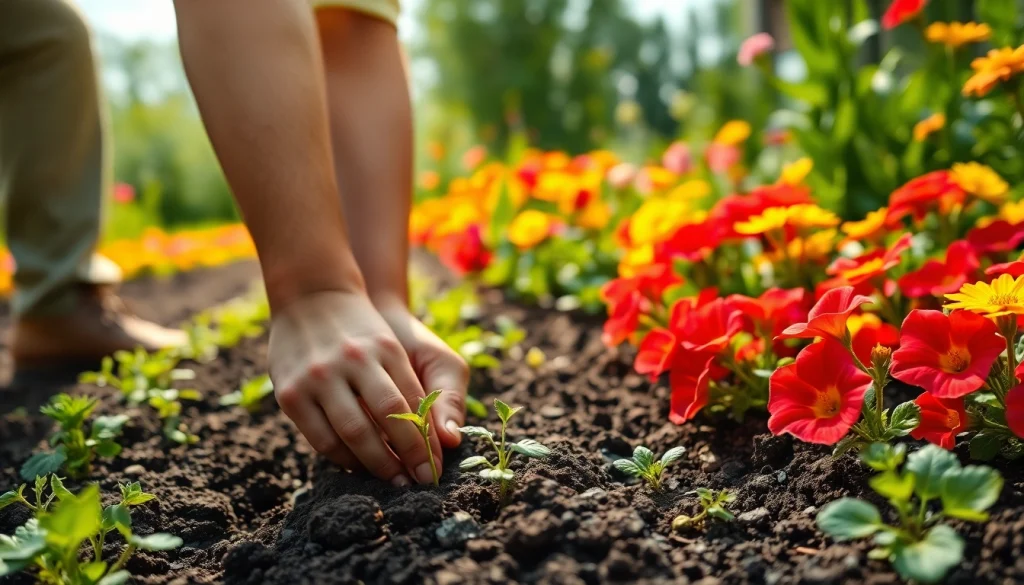
Getting Started with Gardening
Embarking on the journey of Gardening can be a rewarding experience, providing endless benefits such as fresh produce, beautiful blooms, and a sense of tranquility. Whether you are an aspiring gardener or someone who has just developed an interest in growing plants, understanding the fundamentals is crucial for creating a thriving garden. In this section, we will explore essential topics to help you lay a strong foundation for your gardening endeavors.
Choosing the Right Location for Your Garden
The initial step in successful gardening is selecting the optimal location for your plants. A garden’s position greatly influences its exposure to sunlight, accessibility to water, and protection from harsh weather conditions.
- Sunlight Exposure: Most plants require at least 6-8 hours of sunlight daily to flourish. Observe the sunlight patterns in your yard to find a suitable spot.
- Accessibility: Ensure the location is easy to reach for regular maintenance, watering, and harvesting. Consider proximity to a water source.
- Protection from Elements: A good location should also offer some shelter from strong winds and extreme weather. Planting near existing structures can help mitigate this.
Understanding Soil Types and Preparation Techniques
Soil is the heart of any garden, as it provides nutrients, water, and support for plants. Understanding the different types of soil and their properties is crucial for successful gardening.
- Soil Types: Soil can be classified into sandy, clay, silt, and loam. Each type has distinct properties that affect drainage and nutrient retention.
- Soil Testing: Consider performing a soil test to determine pH and nutrient levels. These results can guide you in amending your soil effectively.
- Soil Preparation: Improving garden soil often involves removing weeds, adding organic matter such as compost, and tilling to create a rich growing medium.
Essential Gardening Tools Every Beginner Needs
Having the right tools is vital for efficient gardening. Here’s a list of essential tools beginners should consider investing in:
- Trowel: A hand tool for digging and planting.
- Pruners: Useful for trimming and shaping plants.
- Garden Rake: To level soil and remove debris.
- Watering Can or Hose: Essential for keeping plants hydrated.
- Gardening Gloves: Protect your hands from thorns and dirt.
Planning Your Garden Layout
Once you’ve set the groundwork, the next vital step is planning a layout that maximizes both functionality and aesthetics in your garden.
Creating a Functional and Aesthetic Design
Designing a garden layout involves considering both beauty and practicality. Here are some recommendations:
- Plant Height: Place taller plants at the back of the garden bed and shorter ones at the front to allow for visibility and sunlight access.
- Pathways: Create walkways for easy access to plants. Consider incorporating gravel, mulch, or stepping stones.
- Aesthetic Appeal: Incorporate color schemes and seasonal blooms to ensure your garden remains attractive throughout the year.
Grouping Plants Based on Growth Habits
Strategically grouping plants can create a harmonious garden while maximizing space. Consider these grouping strategies:
- Compatible Plants: Group plants with similar sunlight and water requirements together to simplify maintenance.
- Companion Planting: Some plants can benefit one another when planted closely, deterring pests and enhancing growth.
Seasonal Considerations for Planting
Understanding your local climate and seasonal changes will greatly influence your gardening success. Follow these insights:
- Seasonal Calendars: Research when to plant specific crops in your area to avoid frost or excessive heat.
- Crop Rotation: Altering which plants grow in a particular area each season helps prevent nutrient depletion and pest infestations.
Plant Selection and Care
Choosing the right plants and providing them with diligent care is imperative for a flourishing garden.
Choosing the Right Plants for Your Environment
Selecting plants suited to your local environment ensures they thrive. Here are tips for making the best choices:
- Native Plants: Consider incorporating native species as they are adapted to local climate and soil conditions.
- Hardiness Zones: Check your USDA hardiness zone to understand which plants will survive in your climate.
Watering Techniques to Optimize Plant Health
Proper watering is essential to maintain healthy plants. Effective watering techniques include:
- Drip Irrigation: This method targets the roots with minimal evaporation loss, promoting deep root growth.
- Timing: Water early in the morning or late in the afternoon to minimize evaporation.
Fertilizing and Nutrient Management Strategies
Providing adequate nutrients is essential for plant health. Here are effective strategies:
- Organic Fertilizers: Use compost or other organic matter to enrich the soil naturally.
- Regular Testing: Periodically test soil for nutrient levels to adjust your fertilization strategy.
Pest Management and Disease Control
No garden is without its challenges; pest management and disease control are crucial for maintaining garden health.
Identifying Common Garden Pests and Their Solutions
Pests can significantly damage your plants if not managed properly. Here’s how to recognize and respond to common pests:
- Aphids: Small, green bugs often found on young plants. Introduce ladybugs or use neem oil for management.
- Slugs: These pests are nocturnal and leave a silvery trail. Use copper barriers or traps to deter them.
Natural and Chemical Avenues for Pest Control
It’s important to choose the right pest control methods to protect your plants and the environment:
- Natural Remedies: Ingredients like garlic, hot pepper, or dish soap can create effective homemade sprays.
- Chemical Pesticides: If necessary, choose targeted products that pose the least risk to beneficial insects.
Preventing Diseases in Your Garden
Adopting preventive measures can significantly reduce the risk of diseases:
- Crop Rotation: Changing where plants are grown can help prevent soil-borne diseases.
- Plant Spacing: Provide adequate spacing between plants to improve air circulation and reduce humidity.
Harvesting and Sustainability Practices
Once your plants have grown, knowing when and how to harvest is crucial, as is building sustainable practices for ongoing gardening success.
Timing Your Harvest for Maximum Flavor
Harvesting at the right time ensures optimum taste and texture. Here are some guidelines:
- Visual Indicators: Learn the signs that signal when fruits and vegetables are ready to pick, such as color changes or firmness.
- Time of Day: Harvesting in the morning usually yields fresher produce, as it’s cooler and moisture content is higher.
Composting: A Sustainable Gardening Habit
Composting is an excellent way to recycle garden waste while nourishing your plants. Here’s how to get started:
- Building a Compost Bin: You can create a simple compost pile in your backyard or use a bin for a cleaner approach.
- Compost Materials: Combine green materials (fruit scraps, grass clippings) with brown materials (dry leaves, cardboard) to achieve a balanced compost.
Maintaining Your Garden into the Next Season
Proper care throughout the seasons ensures that you can enjoy your garden year-round:
- End of Season Cleanup: Remove dead plants and debris to prevent pest overwintering.
- Winterizing: In colder climates, protect perennials with mulch or cover crops to enrich the soil by spring.
By incorporating these foundational principles of Gardening, you can establish a flourishing garden that brings beauty, nourishment, and joy into your life. Remember, the journey of gardening is one of learning, adaptation, and growth — embrace every moment!