
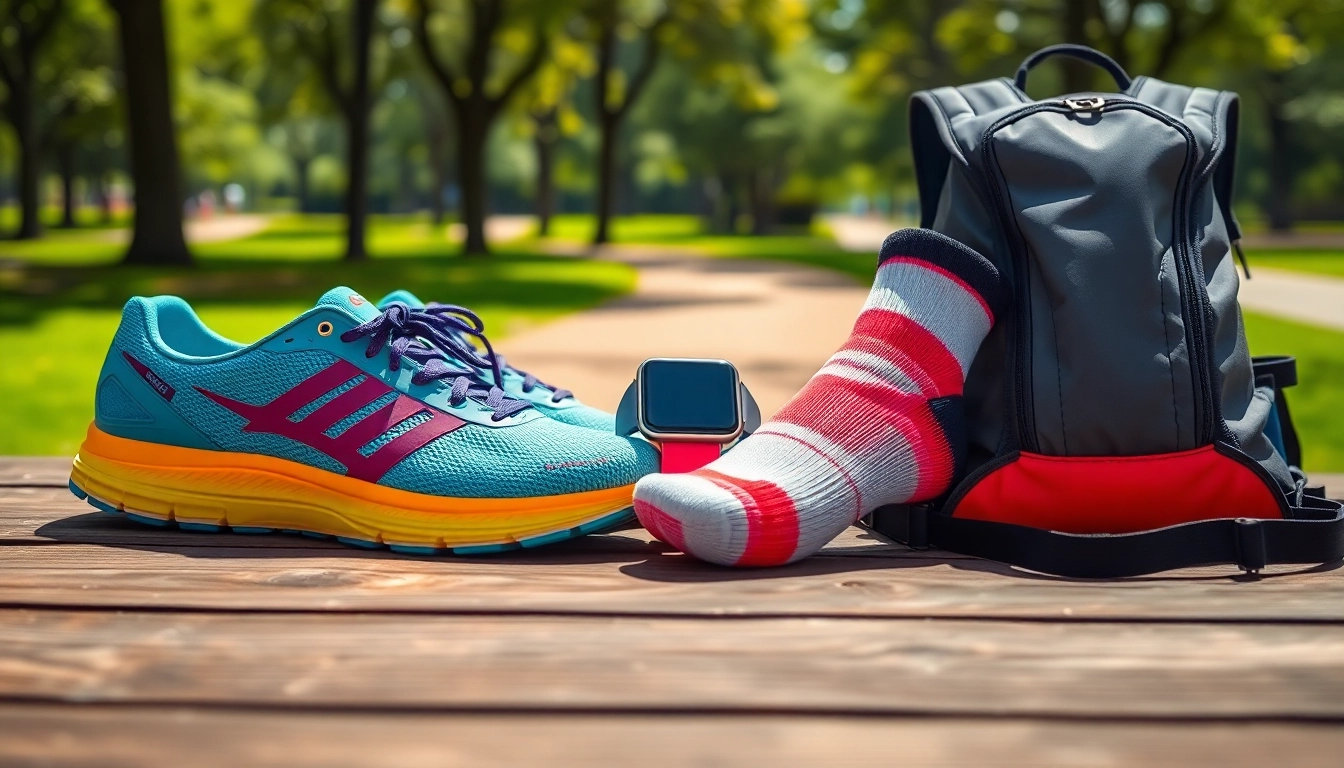
The Importance of Running Essentials
Whether you’re a seasoned marathoner or a weekend jogger, having the right running essentials can significantly enhance your performance and enjoyment. Understanding the gear you need is critical to achieving your running goals efficiently and safely. With countless options available, knowing which products genuinely fit the category of essentials helps streamline your purchasing decisions and ensures you invest in items that provide the most benefit.
Understanding Basic Gear
At its core, the basic gear for running includes footwear, moisture-wicking clothing, and hydration solutions. These fundamental items set the foundation for an enjoyable and injury-free running experience. Proper footwear, for instance, is designed to provide adequate support, cushioning, and stability to protect your feet and lower body during impactful movements. Similarly, clothing crafted from moisture-wicking fabrics enhances comfort by keeping sweat away from your skin.
Benefits of Proper Equipment
The primary benefit of using appropriate running essentials lies in injury prevention. Incorrect gear can lead to various problems ranging from blisters to chronic injuries like plantar fasciitis or shin splints. Additionally, the right equipment improves your overall experience, such as staying comfortable, focused, and performing at a higher level. Quality gear can also have positive mental effects; when you feel good in your attire and shoes, you’re more likely to enjoy the run.
Enhancing Performance with Essentials
Performance enhancement transcends merely using appropriate gear; it involves understanding your body’s needs and how different components contribute towards achieving your running objectives. Using specialized gear like compression socks, hydration belts, or GPS watches allows for tailored support suited to your performance level. Each of these elements plays a specific role, from optimizing your recovery to aiding navigation on new trails.
Must-Have Running Essentials
Footwear: Finding the Right Running Shoes
When it comes to running shoes, prioritizing fit, comfort, and function is paramount. The ideal running shoe should offer sufficient cushioning, arch support, and stability tailored to your foot type. For example, those with flat feet may benefit from stability shoes, while those with high arches might prefer neutral models. Brands offer various styles that accommodate pronation and foot width, so trying on multiple pairs is critical. Remember to evaluate shoes based on the type of running you plan to do, whether it’s on pavement, trails, or tracks.
Clothing: Choosing Moisture-Wicking Wear
Running apparel constructed from moisture-wicking materials can significantly improve your comfort during workouts. Fabrics such as polyester and nylon are both effective in pulling sweat away from your skin, while also allowing for breathability. Prioritizing lightweight options for warmer weather and layering techniques for colder temperatures can vastly improve performance. Items like running shorts, tights, and T-shirts should be well-fitting yet allow for ample movement freedom.
Accessories: Enhancing the Running Experience
Accessories such as hydration packs, GPS watches, and reflective gear play crucial roles in elevating your runs. Hydration packs ensure that runners remain adequately hydrated, while GPS watches provide data tracking essential for performance analysis. Certain accessories, like energy gels and nutritional snacks, are also worthwhile additions for long-distance runners. Not only do these enhance personal performance, but they also add safety measures through visibility devices during low-light conditions.
Planning for Different Weather Conditions
Cold Weather Running Essentials
When temperatures drop, it’s crucial to adapt your gear accordingly. Layering is critical for insulation without restricting movement. Base layers made of moisture-wicking fabrics help to retain warmth, while mid-layers can provide additional insulation. Essential items also include gloves, hats, and thermal socks, considering that extremities tend to lose heat quickly. Opting for windbreakers or water-resistant jackets can also help manage wind chill and precipitation.
Hot Weather Gear Considerations
High temperatures demand a focus on breathability and moisture management. Lightweight, breathable fabrics can help reduce heat storage and encourage perspiration evaporation. Running in a temperature-appropriate cap or visor can provide shade and reduce sweat drippage into the eyes. These essentials work together to keep your internal temperature manageable, allowing you to run longer and more comfortably.
Rainy Day Running Must-Haves
Running in the rain calls for specialized gear to keep you dry without sacrificing comfort. Incorporating a waterproof jacket, moisture-wicking hat, and quick-drying footwear will significantly enhance your experience. Additionally, consider wearing socks made specifically for wet conditions or those that have moisture-wicking capabilities. Using a light backpack or a waist pack can protect your essentials, ensuring a safe and enjoyable run regardless of the weather.
How to Maintain Your Running Gear
Cleaning and Care Tips for Footwear
Proper maintenance of running shoes ensures lasting performance and longevity. After each run, clean dirt or debris off the exterior using a damp cloth. For deeper cleanings, avoid putting them in the washing machine. Instead, scrub with a specialized cleaner and air dry completely before their next use. Moreover, rotating multiple pairs can prevent excessive wear on a single pair, prolonging their lifespan.
Caring for Running Apparel
To keep your running clothes in optimal condition, always follow the care instructions on the label. Avoid fabric softeners as these can clog moisture-wicking fibers. Washing cold and air drying when possible helps maintain shape and function. Fold and store in a cool, dry environment rather than laying or crushing them, which can affect elasticity.
Storage Solutions for Running Accessories
Storage plays an often-overlooked role in maintaining your running essentials. Consider implementing a dedicated spot for your gear, whether it’s a closet organizer or a storage bin by the door. Keeping everything in one location allows for easy access and inventory management so essentials are ready when needed. Ensure that hydration packs and accessories are dried thoroughly before storing to prevent mildew and unpleasant odors.
FAQs about Running Essentials
What are running essentials?
Running essentials include running shoes, socks, shirts, shorts or tights, jackets, and hydration tools, all crucial for an enjoyable running experience.
Why is proper footwear important?
Proper footwear prevents injuries and enhances comfort, improving overall performance during runs and ensuring your feet stay protected.
How can I stay comfortable in extreme weather?
Select fabrics that wick moisture away in heat or retain warmth in cold; layering is key to adapting to conditions for comfort.
When should I replace my running shoes?
Replace running shoes every 300-500 miles or when they lose cushioning and support, indicated by visible wear signs or decreased comfort.
What accessories improve the running experience?
Accessories like hydration packs, GPS watches, and reflective gear significantly enhance safety, comfort, and performance during runs.