
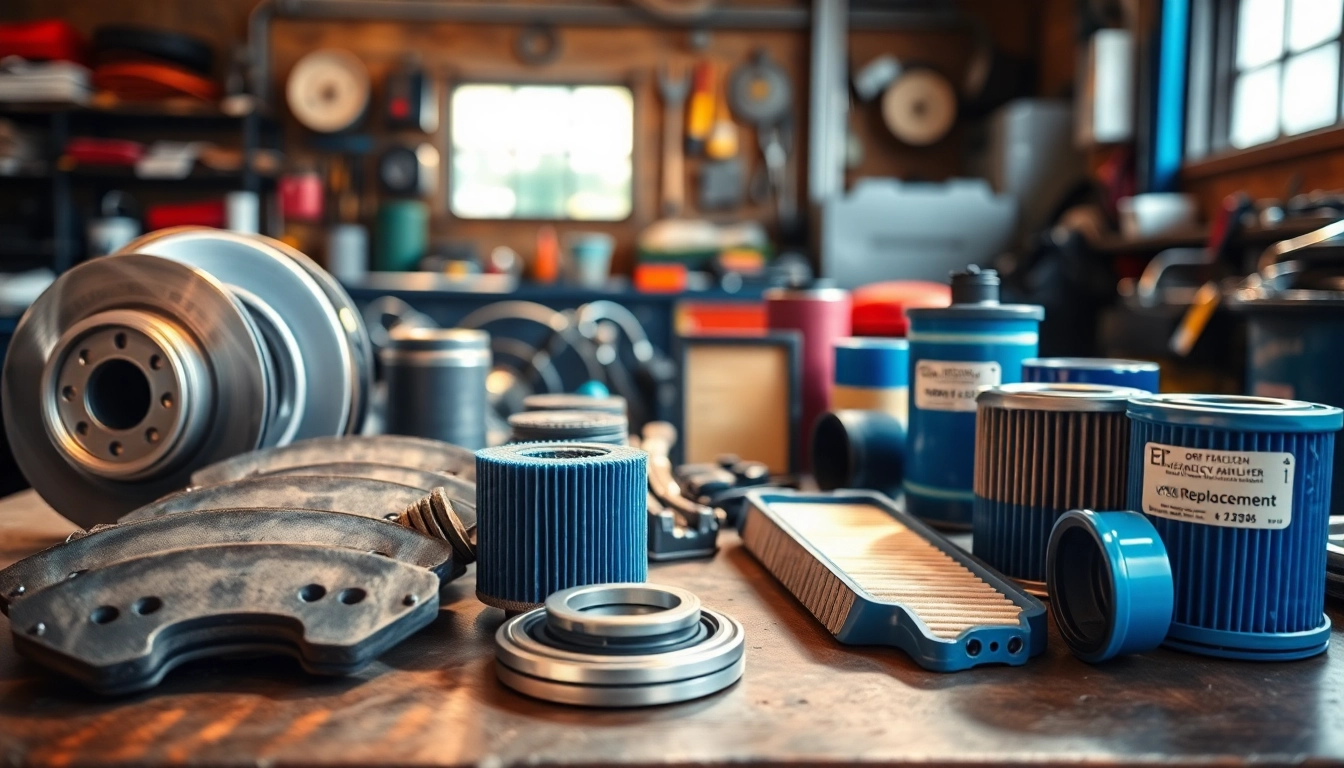
What is OEM Replacement?
Definition and Overview of OEM Replacement
OEM Replacement refers to parts that are produced by the same manufacturer that supplied the original components used in the vehicle at the time of manufacturing. The acronym OEM stands for “Original Equipment Manufacturer” and indicates that these replacement parts meet the same specs, quality standards, and performance metrics as the parts originally installed in your vehicle. When maintaining or repairing your vehicle, using OEM Replacement parts can ensure a high level of compatibility and reliability.
The Importance of OEM in Automotive Parts
The reliance on OEM parts stems from their significant role in ensuring that vehicles run smoothly and efficiently. OEM replacement components are specifically designed for particular makes and models, ensuring a precise fit and function. This importance grows with a vehicle’s complexity, where minor deviations in part specifications can lead to performance issues or even safety concerns. Utilizing OEM parts mitigates risks associated with aftermarket alternatives, where quality and compatibility can vary widely.
Key Characteristics of OEM Replacement
- Exact Fit: OEM parts are designed to match original specifications, providing reassurance regarding installation and performance.
- Quality Assurance: Produced under strict quality control guidelines, OEM components maintain the same quality as the original parts.
- Longevity: OEM parts typically offer a longer lifespan due to their design tailored for the specific vehicle.
- Warranty Protection: Often come with warranties that protect against defects, giving added peace of mind.
Advantages of Choosing OEM Replacement Parts
Reliability and Compatibility
When it comes to reliability, OEM replacement parts shine. They are manufactured with superior materials and strict adherence to production protocols, thus ensuring they perform at optimal levels. Compatibility is equally noteworthy; these parts are designed for specific vehicle models, eliminating the risk of improper fitment that often accompanies aftermarket components.
Warranty Insights
Many OEM replacement parts come with manufacturer warranties that protect consumers against poor performance. These guarantees cover unexpected failures and defects that manufacturers will typically address at no extra charge, adding a level of financial protection that aftermarket parts often lack.
Enhanced Vehicle Performance
Using OEM parts positively impacts vehicle performance. They are engineered to work seamlessly with original vehicle systems, ensuring that performance, efficiency, and longevity are maintained. This is particularly evident in high-stress components such as brakes, transmissions, and engine parts, where OEM precision can markedly enhance the driving experience.
How to Identify Genuine OEM Replacement Parts
Reading Labels and Packaging
To ensure authenticity, buyers must scrutinize parts packaging. Genuine OEM parts usually come sealed in branded wrappers, often featuring part numbers and identifiers. Comparing these with vehicle manuals or manufacturer websites can help confirm legitimacy.
Recognizing OEM Manufacturer Certifications
It is crucial to look for OEM manufacturer certifications, which signify that the parts meet specific industry standards. Certified parts will often display certification logos either on the packaging or the parts themselves, indicating they passed rigorous quality assessments.
Common Misconceptions About OEM Parts
One common misconception is that OEM parts are significantly more expensive than aftermarket options. While sometimes true, the performance, compatibility, and warranty advantages of OEM components can justify the price. Additionally, there’s a belief that all OEM parts are identical; however, multipliers exist based on the dealer’s markup and substance quality even within OEM specifications.
Where to Purchase OEM Replacement Parts
Online Stores vs. Retail Shops
Deciding between online stores and retail shops involves several factors. Online platforms often offer a wider range of parts, competitive pricing, and the convenience of home delivery. Conversely, local retail shops allow customers to seek immediate assistance and inspect the parts physically prior to purchase.
Evaluating Vendor Reputation
Assessing the reputation of vendors is crucial when purchasing OEM replacement parts. Customers should explore reviews, ratings, and industry standing. Websites featuring customer feedback and complaint resolutions can help determine if the vendor is trustworthy and provides genuine parts.
Price Comparisons and Value
Conducting price comparisons between different vendors can reveal significant savings. Even when considering the potential for OEM parts to be pricier than aftermarket options, it’s vital to weigh the long-term value of reliability and quality against immediate costs.
Frequently Asked Questions about OEM Replacement
What does OEM replacement mean?
OEM replacement refers to parts made by the original manufacturer of a vehicle, ensuring the replacement part matches the original components in quality, fit, and function.
Are OEM parts worth the extra cost?
Yes, OEM parts typically offer superior quality, guaranteed compatibility, and manufacturer warranties, often making them worth the additional expense.
How long do OEM replacement parts last?
OEM replacement parts generally offer longevity comparable to the original components and vary based on the specific part and driving conditions.
Can I install OEM replacement parts myself?
While some OEM parts are designed for DIY installation, it is recommended to consult a professional mechanic for complex components to ensure proper fit and functionality.
What should I check before buying an OEM part?
Before purchasing, verify the part number, compare packaging for authenticity, confirm compatibility with your vehicle model, and check vendor reputation for reliability.