
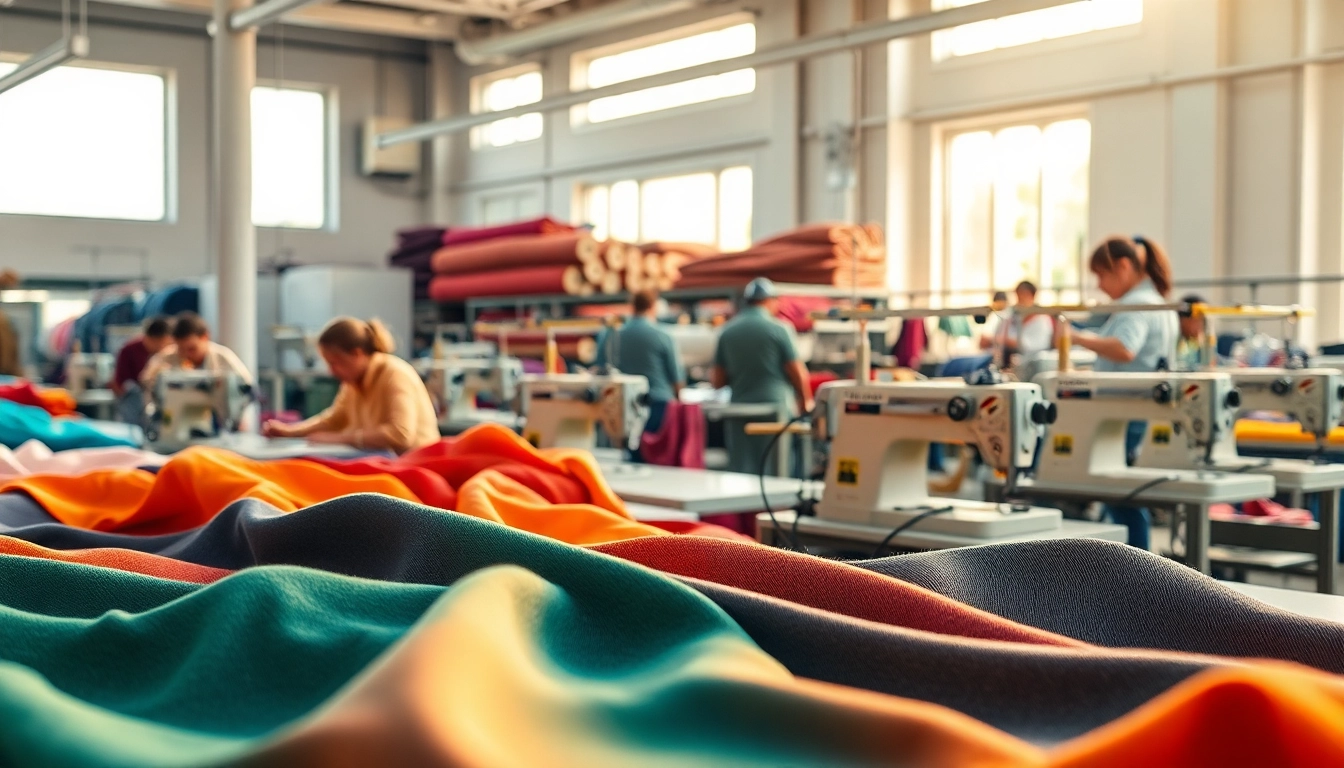
The Landscape of Clothing Manufacturers in China
Overview of the Industry
The clothing manufacturing industry in China is a cornerstone of the global apparel market. China has long been recognized as a leading hub for textile production, owing to its vast labor pool, well-established supply chains, and advanced manufacturing technologies. Annually, China produces a significant portion of the world’s clothing, making it a vital player for retailers and brands seeking cost-effective production solutions. The market is characterized by its diversity, spanning from high-end fashion to mass-produced garments, accommodating various customer demands and tastes.
Key Drivers of Growth
Several factors contribute to the robust growth of clothing manufacturers in China. Firstly, technological innovations such as automation and smart manufacturing systems have enhanced production efficiency. Secondly, the looming pressure on brands to return to local manufacturing post-pandemic has created opportunities for Chinese manufacturers to adapt and respond quickly to changing market demands. Thirdly, international trade agreements and partnerships have further opened avenues for Chinese textiles in global markets, reinforcing its competitive stance.
Trends Impacting Manufacturing
Current trends in the clothing manufacturing sector are significantly impacting how companies operate. The shift towards sustainability is pivotal, as consumers increasingly prefer eco-friendly products. In response, manufacturers are adopting sustainable practices, including the use of organic materials and ethical production processes. Furthermore, digitalization and the rise of e-commerce have driven manufacturers to embrace online platforms for marketing and distribution, enhancing their global reach. Additionally, the demand for customization is growing, leading manufacturers to implement flexible production processes designed to cater to unique consumer preferences.
Selecting the Right Clothing Manufacturer in China
Factors to Consider
Choosing the right clothing manufacturer in China involves careful consideration of various factors. First, evaluate production capacity to ensure the manufacturer can handle your volume of orders. Next, consider quality standards; selecting a manufacturer with a proven record of high-quality products is critical. Furthermore, assess communication and responsiveness; clear and effective communication channels foster a better partnership. Pricing is also vital; while lower costs may be tempting, ensure that they do not compromise quality or service. Finally, check for compliance with international labor and quality standards to align with ethical business practices.
Evaluating Manufacturer Capabilities
Once you have identified potential manufacturers, thorough evaluation is essential. Review case studies and client testimonials to gauge their performance and reliability. Conduct factory visits when possible, as this not only reassures you of their capabilities but also allows you to evaluate their working conditions, equipment, and labor practices. Analyze their production methods; manufacturers with advanced machinery and sustainable practices often perform better in quality and efficiency. If feasible, request sample products to assess the craftsmanship and material quality before making a final decision.
Negotiating Terms Effectively
Negotiating favorable terms with your selected manufacturer is crucial for a successful partnership. Start with a clear outline of your needs and expectations, including timelines, quality standards, and delivery schedules. It’s advisable to discuss minimum order quantities (MOQs) upfront to avoid misunderstandings. Flexibility in negotiation can yield benefits; discussing potential discounts for bulk orders or long-term contracts may result in favorable terms. Above all, strive to foster a mutually beneficial relationship where both parties feel valued and understood.
Key Processes in Clothing Manufacturing
Design and Prototyping
Design and prototyping are critical stages in clothing manufacturing. Designers work closely with manufacturers to translate concepts into tangible products. Utilizing CAD (Computer-Aided Design) software allows designers to create accurate patterns and samples, reducing errors and miscommunication. Prototyping involves creating a sample garment to evaluate design feasibility, fit, and material choice. Feedback obtained during this phase can lead to adjustments before mass production begins, ensuring the final product aligns closely with the intended vision.
Production Techniques Overview
Modern clothing manufacturing employs various production techniques tailored to the complexity and scale of the operation. Cut-and-sew is a traditional method where fabric rolls are cut into pieces and sewn together. However, rotational cutting and digital printing are becoming popular, allowing for more intricate designs and efficient fabric use. The lean manufacturing technique, emphasizing waste reduction and efficiency, is also gaining traction among Chinese manufacturers, enhancing productivity while minimizing costs.
Quality Assurance Practices
Implementing robust quality assurance practices is essential for maintaining product standards. Manufacturers should adopt a quality control (QC) system that involves regular inspections at various production stages—from fabric sourcing to the final product. Employing statistical process control (SPC) techniques helps monitor production quality by analyzing data and identifying deviations from quality norms. Involving third-party inspection agencies can also bolster confidence in product quality, ensuring rigorous standards are met before shipment.
Common Challenges Faced by Clothing Manufacturers in China
Supply Chain Issues
Clothing manufacturers in China often grapple with supply chain challenges, particularly disruptions in sourcing raw materials. As global demand fluctuates, sudden shortages of fabrics or components can impact production schedules. To mitigate this, it is crucial for manufacturers to diversify suppliers and stockpile essential materials during favorable market conditions. Analyzing supply chain vulnerabilities and establishing local partnerships can also reduce dependency on international suppliers, enhancing resilience to potential disruptions.
Labor Market Conditions
The labor market presents another challenge for the clothing manufacturing sector. Rising labor costs, coupled with an increasingly competitive job market, can strain profitability. Additionally, younger generations tend to favor different working conditions and benefits, leading to labor shortages in factories. To attract talent, manufacturers should focus on improving working environments, offering competitive wages, and investing in employee development programs. Emphasizing ethical labor practices not only enhances employer branding but also fosters loyalty among workers.
Regulatory Compliance
Compliance with regulations is critical in maintaining a manufacturer’s reputation. China’s evolving regulatory landscape regarding labor, environmental standards, and business operations can pose challenges. Manufacturers must stay informed about local and international regulations to avoid penalties and ensure smooth operations. Engaging legal experts or consultants proficient in Chinese law can facilitate compliance and provide peace of mind, allowing manufacturers to focus on production without fear of legal repercussions.
Future Outlook for Clothing Manufacturers in China
Technological Advancements
The future of clothing manufacturing in China is closely tied to technological advancements. The implementation of Industry 4.0—which encompasses automation, data exchange, and IoT—will revolutionize the manufacturing landscape. Manufacturers adopting smart technologies can achieve higher precision, reduce lead times, and minimize waste. Moreover, adopting artificial intelligence for predictive analytics will allow manufacturers to respond dynamically to market changes, tailoring production processes to meet evolving consumer demands.
Sustainability Initiatives
The global push for sustainability will profoundly influence the clothing manufacturing sector. As consumers become more eco-conscious, manufacturers are compelled to implement sustainable practices. This may include adopting biodegradable materials, reducing water consumption, and enhancing energy efficiency across production processes. Implementing a circular economy model—where products are reused, remanufactured, or recycled—can further enhance sustainability and create competitive advantages in the marketplace.
Global Market Positioning
As competition intensifies, positioning within the global apparel market will be essential for Chinese manufacturers. Expanding into emerging markets and exploring new distribution channels can provide fresh opportunities for growth. Additionally, establishing strategic collaborations with international brands can foster innovation and enhance market reach. By focusing on quality, speed-to-market, and sustainable practices, Chinese manufacturers can solidify their position as leaders in the global apparel industry, catering to diverse consumer needs and preferences.
FAQs:
What factors should I consider when choosing a manufacturer?
Look for quality, experience, pricing, communication, and compliance with standards.
How can I ensure quality from my manufacturer?
Implement thorough quality checks and maintain clear communication throughout the production process.
Are there ethical labor practices among manufacturers?
Many manufacturers are committed to ethical labor practices; always verify compliance and certifications.
What are the major trends in clothing manufacturing?
Sustainability, technological integration, and customization are driving major trends in the industry.
How can I reduce costs when working with manufacturers?
Plan your orders effectively and negotiate bulk purchasing agreements to reduce overall costs.
In the journey of sourcing from Clothing Manufacturers in China, comprehensive research and analysis are crucial. By understanding the landscape, selecting the right partner, and being attuned to market trends, businesses can leverage the strengths of Chinese manufacturers to achieve growth and sustainability in their apparel offerings.