Introduction to Metal Roofing
Metal roofing has gained significant popularity as a reliable and durable roofing solution for residential and commercial properties. With its diverse range of styles and materials, metal roofing offers homeowners unique benefits and long-lasting performance. In this comprehensive guide, we will explore everything you need to know about metal roofing, from its composition and types to installation procedures and maintenance routines.
What is Metal Roofing?
Metal roofing refers to roofing systems that feature metal materials, primarily steel, aluminum, or copper, designed to provide durability, energy efficiency, and visual appeal. Unlike traditional roofing materials such as asphalt shingles or tiles, metal roofing systems can feature standing seams, interlocking panels, or corrugated structures, enhancing their effectiveness in weather resistance. The construction of metal roofs typically involves a variety of panels, each offering distinct benefits, all of which contribute to the longevity and resilience of the roofing system.
Common Types of Metal Roofing
There are several common types of metal roofing, each offering unique characteristics:
- Steel Roofing: Often used due to its strength and cost-effectiveness, steel roofing may come in galvanized or galvalume coatings to prevent rust.
- Aluminum Roofing: Aluminum is lightweight, resistant to corrosion, and durable, making it an excellent option for coastal areas.
- Copper Roofing: Known for its aesthetic appeal and natural patina over time, copper roofing is more expensive but provides exceptional longevity.
- Corrugated Metal Roofing: Featuring a wave-like design, corrugated panels are often used in agricultural and industrial buildings but are also becoming popular in residential applications for their durability.
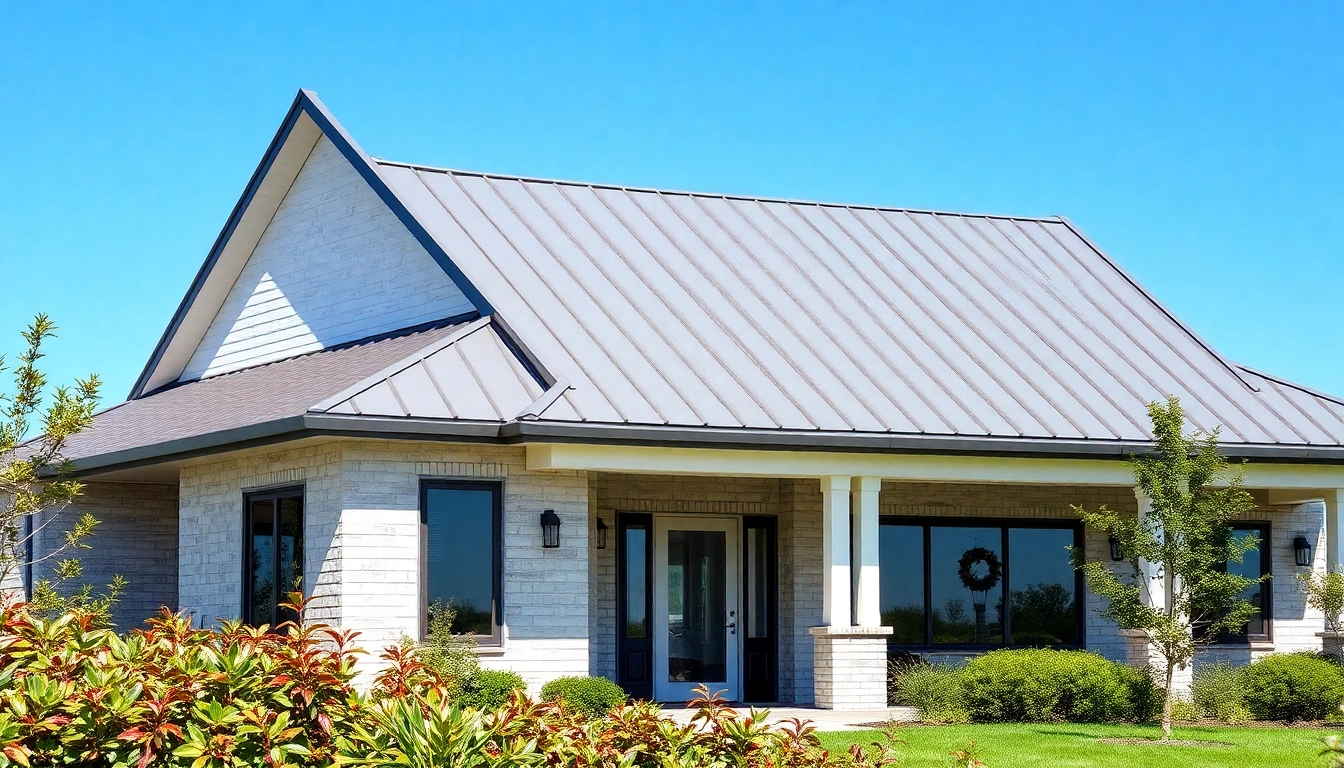
- Standing Seam Metal Roofing: This roofing style has raised seams that interlock, creating a sleek appearance and preventing water leakage, making it suitable for various climates.
Key Advantages of Metal Roofing
Choosing metal roofing comes with several advantages that can significantly enhance a property’s value and performance:
- Durability: Metal roofs can withstand extreme weather conditions, including heavy rain, snow, winds, and even hail, often lasting 40 to 70 years.
- Energy Efficiency: Many metal roofing materials are reflective, reducing heat absorption and lowering cooling costs during hot weather.
- Low Maintenance: Metal roofing typically requires minimal maintenance compared to traditional materials, further increasing its appeal to homeowners.
- Eco-Friendly: Many metal roofs are made from recycled materials and can be recycled again at the end of their lifespan, making them an environmentally friendly choice.
- Variety of Styles: Metal roofing is available in various colors, styles, and finishes, allowing homeowners to select an option that complements their property’s aesthetics.
Cost Considerations for Metal Roofing
Understanding Metal Roofing Pricing
The cost of installing metal roofing can vary widely based on several factors, including the type of metal chosen, the complexity of the roof, local labor rates, and geographical location. On average, metal roofing can range from $4 to $30 per square foot, depending on the material and style. It’s essential for homeowners to obtain multiple quotes from qualified contractors to ensure competitive pricing and proper installation.
Long-term Financial Benefits
While the initial investment in metal roofing may be higher than traditional options like asphalt shingles, homeowners can enjoy long-term savings. The longevity of metal roofs translates to reduced replacement costs over time. Additionally, metal roofing can increase a property’s resale value, as many potential buyers view metal roofing as a desirable feature. Energy savings due to reduced heating and cooling demands further enhance the financial benefits of metal roofing.
Potential Hidden Costs
It’s important to consider potential hidden costs associated with metal roofing installation. Homeowners should factor in expenses like removal of old roofing materials, potential structural reinforcements necessary to support the weight of metal panels, and any additional work required to ensure proper insulation. Understanding these costs upfront can help avoid surprises during the installation process.
Installation Process of Metal Roofing
Preparing for Metal Roofing Installation
Proper preparation is crucial for a successful metal roofing installation. Homeowners should begin by evaluating their current roofing structure to determine if it can support a metal roof. If significant repairs or reinforcements are needed, these should be addressed before installation begins. Additionally, homeowners should obtain the necessary permits and ensure compliance with local building codes.
Finding Qualified Installers
Selecting an experienced and qualified roofing contractor is one of the most important aspects of the installation process. Homeowners should research potential contractors by checking reviews, asking for references, and reviewing their previous work. It’s also wise to confirm that the contractor is licensed and insured, which helps protect both parties in case of accidents or damage during installation.
Installation Steps and Timeline
The installation of metal roofing generally follows these steps:
- Removing Old Roofing: If applicable, the existing roofing materials are removed, and the surface is prepared.
- Installing Underlayment: A waterproof underlayment is laid to provide an additional layer of protection against moisture.
- Fitting Metal Panels: The metal panels are then cut and fitted according to the roof’s design and specifications.
- Securing Panels: Panels are secured using faster systems appropriate for the type of metal roofing being installed, ensuring proper alignment and sealing.
- Finishing Touches: Flashings, ridge caps, and other finishing elements are added to complete the installation.
The entire process can take a few days to a week, depending on the roof size, complexity, and weather conditions.
Maintenance and Longevity of Metal Roofing
Routine Maintenance Guidelines
Regular maintenance is key to extending the lifespan of metal roofing. Homeowners should inspect their roofs at least twice a year, looking for signs of damage, rust, or rusting in seams and fasteners. Clearing debris, such as leaves and branches, from the roof surface and gutters can prevent water pooling and damage. Cleaning the roof surface with a gentle pressure wash and inspecting for paint fading or scratches is also important.
Lifespan Expectations of Metal Roofing
One of the major selling points of metal roofing is its impressive lifespan. High-quality metal roofs can last anywhere from 40 to 70 years, depending on the material, quality, and maintenance. For homeowners, this means long-term protection and peace of mind, knowing that their roofing system will withstand the test of time.
How to Identify Damage
Identifying damage on a metal roof can involve visual inspections for rust, loose seams, or damaged panels. Homeowners should be aware of any signs of water leaks indoors, which could indicate damage on the roofing surface. If any rusting or missing fasteners are spotted, taking prompt action to repair them can prevent more extensive damage in the future.
FAQs About Metal Roofing
Is metal roofing energy efficient?
Yes, metal roofing reflects solar heat, which can reduce cooling costs significantly.
How does metal roofing compare to shingles?
Metal roofing generally lasts longer and offers better durability, although initial costs can be higher.
What are the color options for metal roofing?
Metal roofing comes in a wide range of colors and finishes, allowing customization for aesthetics.
Can I install metal roofing over existing shingles?
Yes, metal roofing can often be installed over existing shingles, saving removal costs.
What is the average lifespan of metal roofing?
Metal roofing can last between 40 to 70 years depending on the material and maintenance.