
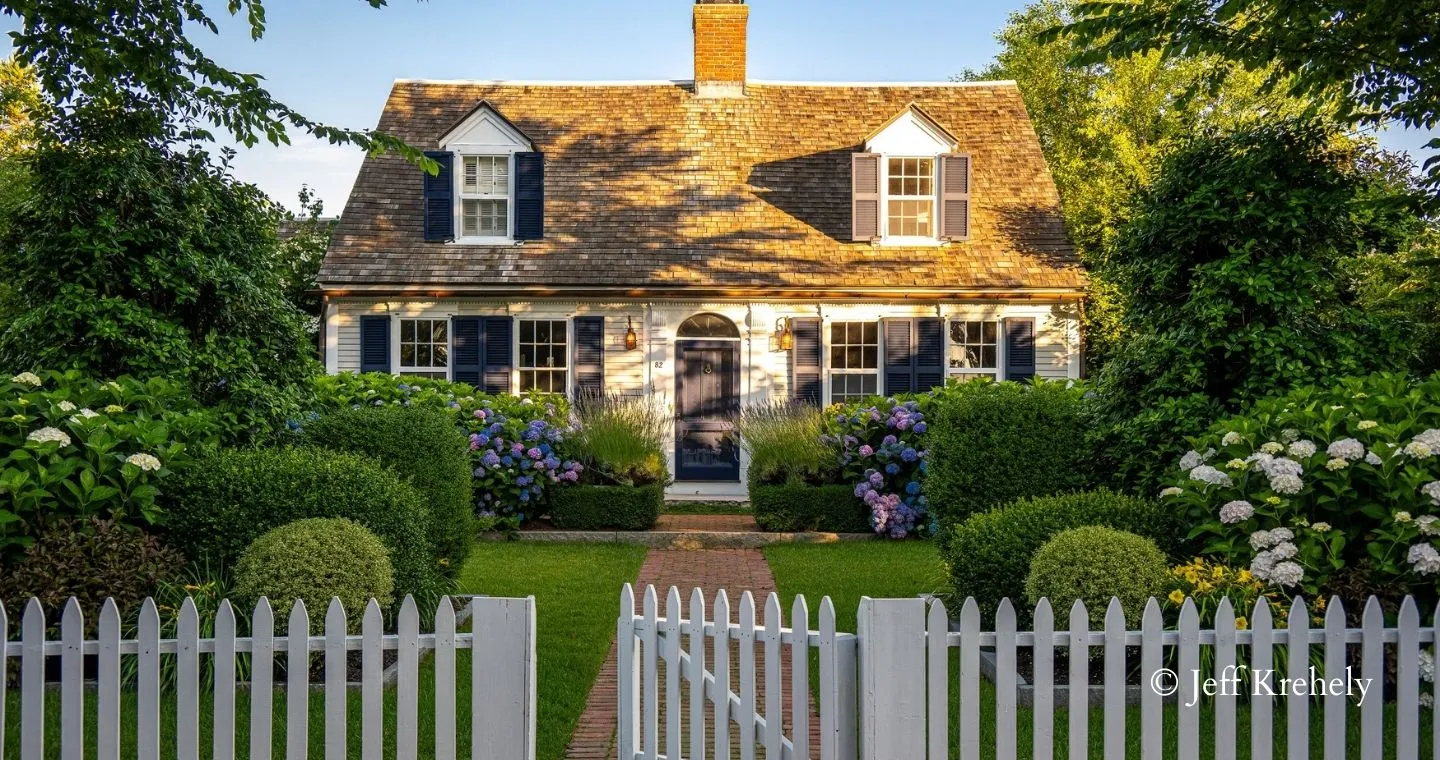
Expanding a classic home requires sensitivity, restraint, and a deep respect for architectural heritage. A Cape Cod Home is beloved for its simple lines, balanced proportions, and timeless presence, but expansion can easily disrupt that harmony if handled poorly. The best projects prove that it’s possible to add space while honoring historic proportions, allowing a Cape cod home to grow gracefully without losing its soul.
- Why Proportion Matters in a Cape Cod Home Expansion
- Starting With the Right Expansion Strategy
- Side Additions With Careful Massing
- Dormers as a Classic Expansion Tool
- Interior Expansion Without Exterior Change
- Blending Old and New Seamlessly
- Modern Needs Within Historic Proportions
- Avoiding Common Expansion Mistakes
- The Value of Architectural Expertise
- Planning for the Future
- Conclusion: Expanding a Cape Cod Home With Respect and Intention
Why Proportion Matters in a Cape Cod Home Expansion
The defining feature of a Cape Cod Home is not size—it’s balance. These homes were designed to feel grounded and modest, with carefully scaled roofs, windows, and façades. When additions ignore these proportions, the result often feels awkward or overly modern.
Successful expansion begins with understanding the original structure. By treating the existing Cape Cod Home as the foundation rather than an obstacle, designers can create additions that feel intentional and cohesive.
Starting With the Right Expansion Strategy
Not every expansion needs to be dramatic. In fact, smaller, well-planned additions often deliver better results for a Cape Cod Home than large-scale overhauls.
Rear Additions That Preserve Street Presence
Placing new square footage at the rear allows a Cape Cod Home to maintain its classic curb appeal. From the street, the home still reads as traditional, while the interior gains valuable living space. Matching roof pitch, siding, and window proportions helps the addition feel original.
Side Additions With Careful Massing
Side expansions can work beautifully when handled with restraint. The key is keeping the new volume secondary to the original Cape Cod Home.
Keeping the Original Form Dominant
A successful side addition is often set back slightly or designed with a lower profile. This ensures the original structure remains visually dominant, preserving the historic proportions that define a Cape Cod Home.
Dormers as a Classic Expansion Tool
Dormers are one of the most effective and historically appropriate ways to expand a Cape Cod Home. They increase usable space on the upper floor while staying true to the architectural language of the style.
Proper Dormer Scale and Placement
Dormers should feel balanced and symmetrical whenever possible. Oversized or poorly placed dormers can overwhelm the roofline of a Cape Cod Home, while well-scaled ones enhance both interior comfort and exterior character.
Interior Expansion Without Exterior Change
Sometimes the best expansion doesn’t change the footprint at all. Reworking interior layouts can dramatically improve how a Cape Cod Home functions.
By finishing attics, adjusting stair placement, or reconfiguring existing rooms, homeowners can gain space while keeping the exterior intact. This approach is especially effective for those who want to preserve the historic appearance of their Cape Cod Home.
Blending Old and New Seamlessly
An expanded Cape Cod Home should feel unified, not divided between old and new. Achieving this requires consistency in materials, trim details, and ceiling heights.
Matching Architectural Details
Window casings, baseboards, and door styles should transition naturally from the original structure into the addition. When these details align, the expanded Cape Cod Home feels cohesive rather than layered.
Modern Needs Within Historic Proportions
Modern families often need open kitchens, family rooms, and primary suites. The challenge is integrating these spaces without disrupting scale.
Rather than creating oversized rooms, designers often break larger spaces into zones that feel appropriate for a Cape Cod Home. This maintains intimacy while still supporting modern living.
Avoiding Common Expansion Mistakes
One of the biggest mistakes homeowners make is prioritizing square footage over proportion. A Cape Cod Home that grows too aggressively can lose its charm and long-term value.
Oversized additions, mismatched rooflines, and inconsistent materials all detract from the historic feel. Thoughtful planning ensures expansion enhances rather than diminishes the original design.
The Value of Architectural Expertise
Expanding a Cape Cod Home requires more than construction knowledge—it demands architectural judgment. An experienced architect understands how subtle changes in massing and proportion affect the overall composition.
Keri Murray Architecture approaches every Cape Cod Home expansion with a preservation-minded perspective, ensuring additions respect history while meeting today’s needs.
Planning for the Future
A well-designed expansion should support not just current needs, but future ones as well. Flexibility, adaptability, and timeless design choices ensure the expanded Cape Cod Home remains functional and relevant for years to come.
Conclusion: Expanding a Cape Cod Home With Respect and Intention
The best expansion ideas don’t compete with the original house—they quietly support it. By respecting scale, preserving symmetry, and working with experienced professionals, homeowners can expand a Cape Cod Home without sacrificing its historic proportions. A thoughtfully expanded Cape Cod Home proves that growth and tradition can coexist, creating a home that feels both timeless and livable for generations.