Understanding Outdoor Fitness Equipment
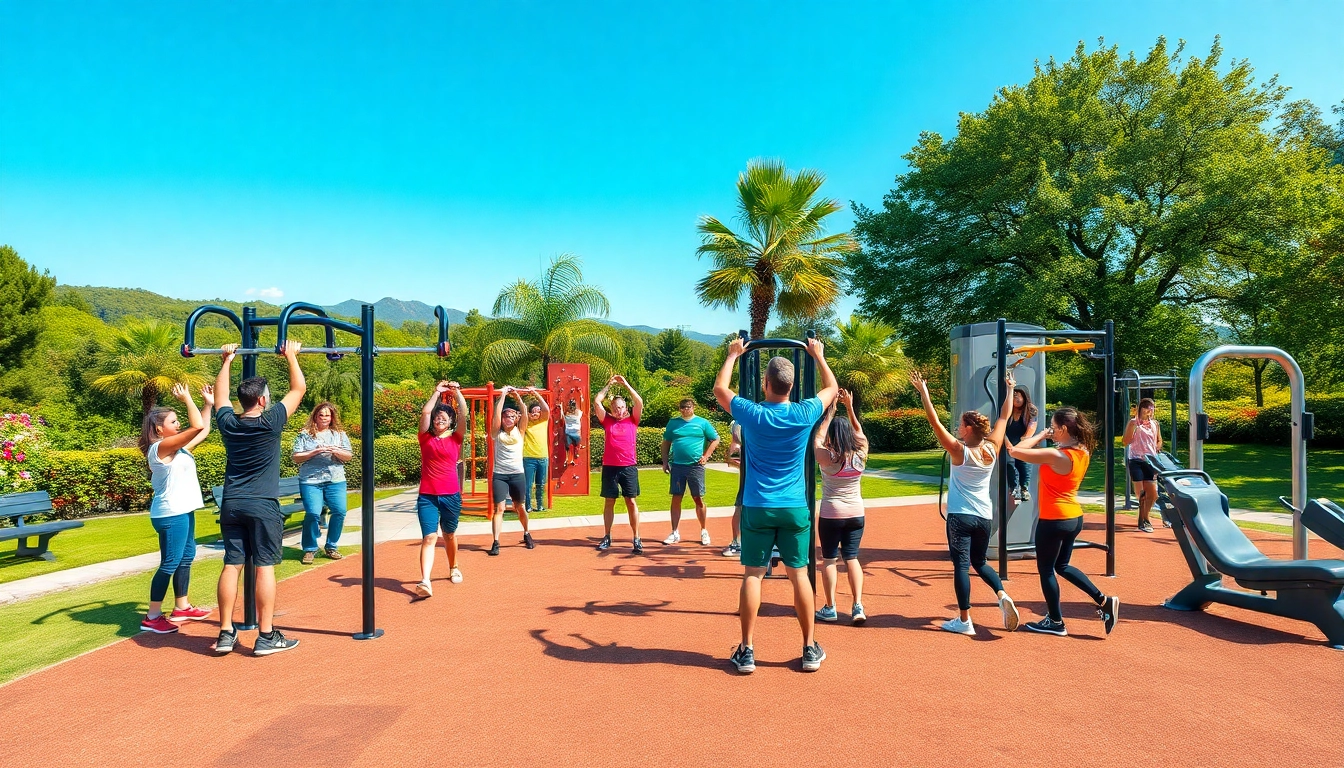
Outdoor fitness equipment has revolutionized the way we approach physical activity in natural settings. It includes a diverse range of apparatus specifically designed for exercise in outdoor environments such as parks, gardens, and community spaces. The movement toward fitness in nature emphasizes accessibility, community engagement, and the profound mental and physical health benefits that come from working out outside. Whether you are drawn in by the allure of fresh air or the challenges of outdoor terrains, understanding Outdoor Fitness Equipment and its myriad offerings can enhance your workout experience significantly.
What Qualifies as Outdoor Fitness Equipment?
Outdoor fitness equipment encompasses a variety of devices and installations designed for use outside. These range from traditional gym machines, such as pull-up bars and parallel bars, to more unconventional options like obstacle courses and fitness trails. Key components include:
- Fixed Equipment: Stations that provide stability and support, such as balance beams, benches, and climbing walls.
- Portable Equipment: Lightweight gear, including resistance bands, kettlebells, and medicine balls that can be transported and used in various locations.
- Adventure Structures: Features like zip lines, rope courses, and climbing walls that incorporate fun and challenge into workouts.
- Open Spaces: Areas designated for freeform activities such as yoga, aerobics, or group games, typically found in parks or community features.
Each type of equipment offers unique benefits, catering to different fitness levels and workout preferences, fostering a sense of community, and promoting healthy outdoor activities.
Benefits of Exercising Outdoors
Exercising outdoors provides numerous physical and psychological benefits:
- Improved Mood: Natural light and fresh air can effectively boost serotonin levels, enhancing feelings of well-being.
- Increased Vitamin D: Exposure to sunlight helps your body produce Vitamin D, essential for bone health and immune function.
- Enhanced Motivation: The dynamic outdoor environment, coupled with natural scenery, can inspire greater motivation than a traditional gym setting.
- Social Interaction: Outdoor gym setups often promote interactions and teamwork, further building a communal support system.
- Variety of Workouts: You can engage in different types of exercises due to the diverse natural terrain (hills, grass, etc.), keeping routines interesting.
By harnessing these benefits, individuals can experience a more holistic approach to fitness that embraces both the body and mind.
Types of Outdoor Fitness Equipment
The diversity in outdoor fitness equipment allows users to tailor their workouts specifically to their needs and preferences. Here are some common categories:
- Calisthenics Stations: These typically include pull-up bars, dip bars, and push-up platforms that facilitate strength training using body weight.
- Cardiovascular Equipment: Units such as stationary bikes, elliptical trainers, and rowing machines designed for outdoor use, allowing users to conduct their cardio routines in fresh air.
- Flexibility and Stretching Areas: Padding, mats, and designated zones for yoga and stretching help maintain flexibility and prevent injuries.
- Functional Fitness Equipment: Items like kettlebells or medicine balls that can be used in various exercises to enhance strength and coordination.
- Play Equipment for Children: Includes outdoor gym equipment specifically designed for children, promoting fitness from a young age and encouraging family activities.
Understanding these categories allows individuals and communities to select the most suitable equipment for their specific fitness goals.
Choosing the Right Outdoor Fitness Equipment
Considerations for Selection
When selecting outdoor fitness equipment, several factors should be taken into account:
- Target Audience: Determine whether the equipment is for adults, children, or a mixed-use environment to meet varying fitness levels and needs.
- Purpose of Use: Establish whether the focus is on strength, cardio, functional training, or a combination, to ensure versatile equipment selection.
- Space Availability: Assess the area where the equipment will be set up, aiming for appropriate spacing based on the type of exercises to minimize safety hazards.
- Weather Resilience: Choose equipment made from materials that withstand local weather conditions, minimizing maintenance needs over time.
- Aesthetic Appeal: Consider how the equipment aligns with the visual aesthetics of the outdoor area, contributing to an inviting fitness environment.
Each of these factors plays a critical role in ensuring the equipment selected serves a practical purpose and aligns with community and personal fitness goals.
Budget-Friendly Options
Investing in outdoor fitness equipment doesn’t have to break the bank. Here are some budget-friendly options to consider:
- Beginner Equipment: Basic items like resistance bands, small dumbbells, and yoga mats can be affordable and highly effective.
- DIY Stations: Create your own workout stations using plywood, sandbags, and other materials for a personalized fitness corner.
- Community Sharing: Collaborate with local fitness groups to share equipment, reducing individual costs while fostering camaraderie.
- Utilizing Park Facilities: Many local parks offer free or low-cost outdoor fitness equipment, making it accessible for everyone.
By exploring these options, you can maintain an active lifestyle without excessive financial strain.
Durability and Maintenance Factors
To maximize the lifespan of outdoor fitness equipment, consider these durability and maintenance tips:
- Material Selection: Opt for stainless steel or weather-resistant materials that can withstand the elements.
- Regular Inspections: Schedule periodic checks to assess wear and tear, ensuring early detection of potential issues that may require repairs.
- Cleaning Practices: Regularly clean equipment with suitable cleaners designed for outdoor use to prevent corrosion and damage caused by dirt and contaminants.
- Protection from Elements: Whenever possible, invest in covers for equipment when it’s not in use, safeguarding it against harsh weather conditions.
Implementing these practices not only prolongs the life of your fitness equipment but also keeps it safe and functional for continued use.
Creating an Outdoor Fitness Environment
Selecting the Ideal Location
The location of your outdoor fitness environment is crucial. Consider the following aspects when selecting a space:
- Accessibility: Choose a site that is easy to access for your target population, ensuring that all participants can reach the location without difficulty.
- Visibility: A visible space encourages participation and community engagement, motivating others to join in.
- Safety: Select areas that are free from hazards, such as potential falling objects or underequipped terrains.
- Proximity to Amenities: Sites near restrooms, water fountains, and parking increase comfort and bolster usage rates.
Finding the right location will create an inviting atmosphere conducive to outdoor fitness.
Setting Up Your Fitness Stations
Designing effective fitness stations requires a thoughtful approach. Here is how to maximize functionality:
- Optimal Equipment Arrangement: Organize stations based on the type of workout and flow; for example, arrange strength training equipment in one area and cardio in another to prevent congestion.
- Signage: Include clear signage at each station that illustrates how to use the equipment and suggests exercises to help users maximize their workouts.
- Ensuring Space: Provide adequate space between each station to maintain safety and allow users to perform exercises comfortably.
- Engaging Elements: Incorporate fun activities like fitness challenges or group classes to motivate continuous use.
This strategic setup will enhance the user experience, making it more enjoyable and effective.
Incorporating Nature into Workouts
Integrating nature into your fitness regimen can enhance both physical workouts and mental clarity. Consider these ideas:
- Scenic Routes: Create pathways that weave through natural landscapes, integrating jogging, walking, or cycling routes for a refreshing change of scenery.
- Nature-Inspired Workouts: Use natural elements such as trees and benches for exercises like incline push-ups, step-ups, or resistance training.
- Outdoor Classes: Host fitness classes that focus on outdoor elements, such as yoga by the lake or boot camps in the park.
- Mindfulness Practices: Incorporate mindfulness aspects into workouts, such as meditation in tranquil settings to enhance overall well-being.
Infusing nature into workouts not only rejuvenates the body but also revitalizes the spirit, enhancing the overall fitness experience.
Maximizing Workouts with Outdoor Fitness Equipment
Effective Workout Routines
To fully leverage outdoor fitness equipment, consider implementing structured workout routines. Here are some effective ones:
- Full-Body Circuit: Combine strength exercises like squats, lunges, and push-ups with cardio intervals, using the equipment available. Aim for 30 seconds of work followed by 15 seconds of rest.
- Interval Training: Use stationary bikes or skip ropes in a high-intensity interval routine to boost heart rate and fat burning efficiently.
- Bodyweight Workouts: Focus on exercises requiring no equipment, like plank hold, burpees, and mountain climbers, utilizing benches or ground space creatively.
- Flexibility and Breath Work: Integrate yoga and stretching to enhance recovery and mobility while enjoying the calming influence of the outdoors.
By mixing these routines, individuals can sustain engagement and elevate fitness levels over time.
Group Workouts vs. Solo Sessions
Determining whether to work out alone or in groups can influence motivation and results:
- Group Workouts: The camaraderie and accountability found in group settings often lead to increased motivation and adherence. Plus, group dynamics can introduce fun challenges.
- Solo Sessions: Independent workouts provide autonomy, allowing individuals to set their pace; this can be beneficial for self-determination and personal focus.
- Hybrid Approach: Mix both options; incorporate solo sessions for personal fitness goals while joining groups for social engagement and collaborative effort.
Finding the balance between these options will ensure a fulfilling fitness journey.
Tracking Your Progress Outdoors
Monitoring fitness progress is vital for personal development. Here’s how to effectively track outdoor workouts:
- Journal: Keep a fitness journal detailing workouts, equipment used, and personal feelings or concerns experienced during sessions.
- Mobile Apps: Utilize fitness tracking apps that provide metrics such as distance covered, calories burned, and heart rate.
- Community Boards: Engage in community feedback by posting progress on fitness boards, encouraging a culture of shared achievements.
- Regular Assessments: Schedule periodic fitness assessments to evaluate improvements in strength, endurance, and flexibility.
Effective tracking promotes accountability and reinforces a commitment to fitness goals.
Frequently Asked Questions
What is Outdoor Fitness Equipment?
Outdoor fitness equipment includes exercise apparatus designed for use in open spaces like parks, featuring items that promote strength training, cardio, and functional workouts.
Can Outdoor Fitness Equipment be used in all weather?
Most outdoor fitness equipment can withstand different weather conditions, although care should be taken to protect sensitive items from extreme conditions.
Is outdoor exercise suitable for beginners?
Yes, outdoor fitness is suitable for beginners. The variety of equipment allows for customized workouts that cater to different skill levels and comfort zones.
How do I maintain outdoor fitness equipment?
Regular inspections, cleaning, and protective measures like covers can help maintain outdoor fitness equipment and prolong its lifespan.
What are the safety measures for outdoor workouts?
Ensure proper spacing, avoid hazardous areas, and maintain equipment to ensure a safe outdoor workout environment for all users.