
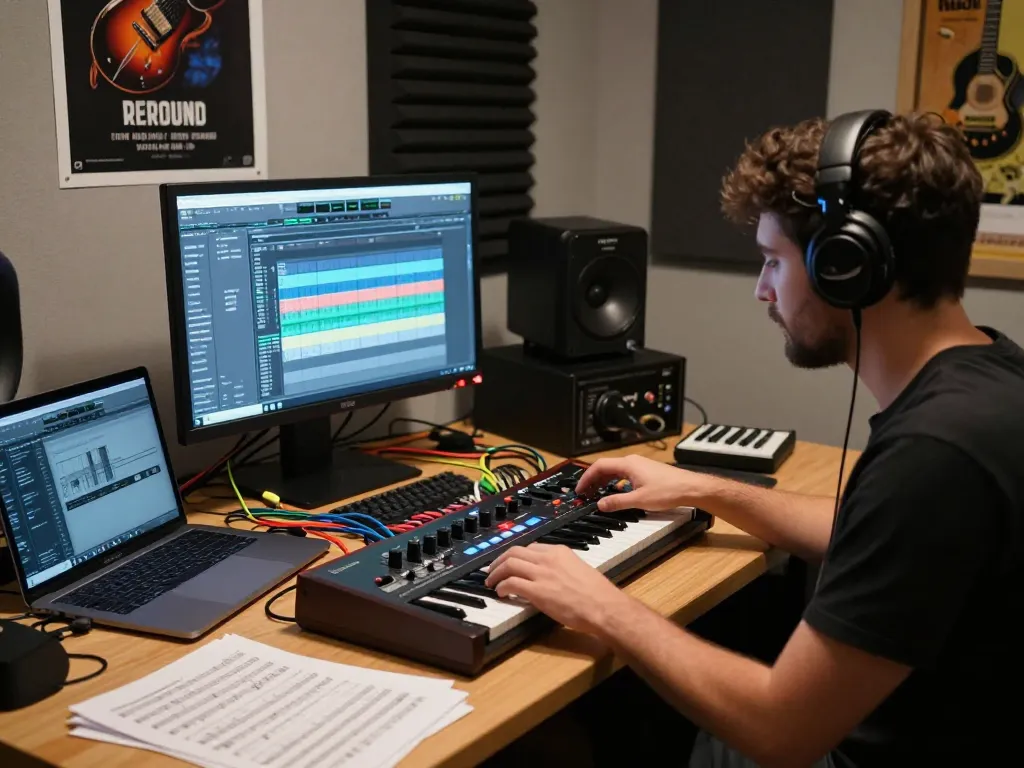
Understanding the SC 88 Sound Module
The SC 88 is a versatile and powerful MIDI sound module that revolutionized music production during the 1990s. As an innovative device from Roland, it offers musicians the ability to create intricate musical compositions by utilizing its extensive library of sounds and flexible programming capabilities. With advancements in sound technology and an ever-evolving music landscape, the SC 88 continues to be a topic of interest for producers and artists alike. When exploring options, SC 88 provides comprehensive insights into this remarkable sound module.
What is the SC 88?
The SC 88 is a General MIDI (GM) compliant sound module released by Roland in 1994. It functions as a multitimbral synthesizer, allowing users to play multiple sounds simultaneously across different MIDI channels. With a capability of supporting 32 parts and providing up to 64 voices of polyphony, it enabled musicians to create rich, layered soundscapes. Its compact form factor and built-in clock synchronization features made it a favorite for studio setups and live performances.
Key Features of the SC 88
- Extensive Sound Library: The SC 88 boasts 654 high-quality sounds, which include instruments from various musical genres, such as orchestral, jazz, and electronic.
- Multitimbral Capabilities: It supports up to 32 simultaneous sounds, allowing for an intricate layering of instruments in a single performance.
- Advanced Effects: The module includes built-in effects like reverb and chorus, which enhance the overall sound quality and provide depth to the audio output.
- Easy Integration: The SC 88 is designed to easily connect with other MIDI devices, making it a versatile addition to any musical setup.
- Memory Management: Users can store custom sounds and settings, ensuring that favorite configurations are always accessible.
Historical Importance in Music Production
The SC 88 emerged during a pivotal time in music production, when digital synthesizers were becoming increasingly prevalent. Its introduction marked a significant evolution in MIDI technology, allowing composers to produce complex arrangements without the need for a full orchestra. The SC 88 played a crucial role in defining the sound of film scores, video games, and pop music during the late 90s and early 2000s, making it a staple in both professional studios and home setups.
Setting Up Your SC 88 for Optimal Use
To maximize the potential of the SC 88, it’s essential to ensure proper setup within your music production environment. By following straightforward guidelines, users can achieve optimal performance and sound quality.
Hardware Requirements for Efficient Integration
Before connecting the SC 88 to your computer or other MIDI devices, confirm that you meet the following hardware requirements:
- Computer System: A modern computer with a MIDI interface or a USB-MIDI connection is necessary for seamless integration.
- MIDI Controller: A compatible MIDI keyboard or controller can enhance your experience by allowing real-time play and manipulation of sounds.
- Audio Interface: An audio interface with MIDI capabilities will improve sound quality and reduce latency during playback.
Step-by-Step Setup Instructions
- Connect the SC 88 to the MIDI interface using a standard 5-pin MIDI cable.
- Plug the audio output of the SC 88 into the audio interface using appropriate cables.
- Install any necessary drivers on your computer to recognize the MIDI device.
- Launch your digital audio workstation (DAW) and configure it to detect the SC 88 as a MIDI input and output device.
Common Setup Issues and How to Resolve Them
Users may encounter certain challenges during setup, such as:
- MIDI Communication Issues: Ensure that the MIDI channels are correctly set on both the SC 88 and the MIDI controller.
- Sound Output Problems: Verify that the audio output settings on your DAW are configured to the correct interface.
- Latency Issues: Optimize buffer sizes in your DAW settings to reduce latency when playing live.
Exploring SC 88 Sound Capabilities
The SC 88’s sound capabilities are among its most impressive features. With an extensive library and customizable settings, users can create unique soundscapes that fit their artistic vision.
Types of Sounds and Instruments Available
The SC 88 includes a diverse range of sounds, categorized into various instrument types, including:
- Brass and Woodwinds: Realistic sound samples that can bring orchestral arrangements to life.
- Strings: Multiple string ensembles that cater to both classical and contemporary music styles.
- Electronic Sounds: Synthesized leads, pads, and bass sounds that are ideal for electronic music genres.
Customizing Sound Settings for Unique Outputs
To achieve a distinctive sound, users can engage in sound customization through the SC 88’s interface. This includes adjusting parameters like:
- Volume Levels: Control individual levels for each sound part.
- Effects Processing: Apply effects such as reverb, chorus, and modulation to enhance the audio output.
- Tuning and Pitch Shifting: Alter the tuning of instruments for more creative arrangements.
Integrating SC 88 with Other MIDI Devices
The SC 88 can easily be integrated with various MIDI devices to expand its functionality. For example:
- MIDI Keyboards: Connecting a keyboard allows for expressive playing and real-time adjustments of sounds.
- Drum Pads: Users can create rhythms using drum pads while programming additional sounds through the SC 88.
- External Synthesizers: Utilize the SC 88 as a sound source for external synthesizers, enabling a broader sonic palette.
SC 88 in Modern Music Production
Even with the rise of contemporary sound modules, the SC 88 maintains its relevance in modern music production due to its unique sound characteristics and versatility.
Case Studies: Artists Using the SC 88
Numerous artists across various genres have utilized the SC 88 to enhance their music. Notable examples include:
- Film Composers: Many film scores leverage the SC 88 for its rich orchestral sounds, providing depth to cinematic productions.
- Video Game Music: Iconic games from the 90s used SC 88 sounds, creating nostalgic experiences for players.
- Pop Artists: Modern pop musicians often incorporate the SC 88 into their compositions, blending it with contemporary electronic sounds.
Best Practices for Utilizing SC 88 in Production
To get the most out of the SC 88, consider these best practices:
- Layering Sounds: Experiment with layering multiple sounds to create fuller textures in your music.
- Utilizing Effects: Take advantage of built-in effects to add complexity and interest to your tracks.
- Regular Backups: Save your settings and custom sounds regularly to avoid losing your unique configurations.
Future Trends in Music Technology Impacting the SC 88
The evolution of music technology is rapidly changing how sound modules, like the SC 88, are utilized. Trends such as:
- Software Integration: Increased compatibility with software synthesizers and DAWs enhances workflow.
- Virtual Reality Music Production: The rise of VR in music offers innovative ways to interact with sound modules.
- Mobile Music Making: The demand for mobile music solutions encourages developments in compact MIDI devices.
Troubleshooting and Maintenance for SC 88
Maintaining your SC 88 and troubleshooting issues can ensure its longevity and optimal performance in your setup.
Regular Maintenance Tips for Longevity
To keep your SC 88 in peak condition, consider implementing regular maintenance practices:
- Dusting: Regularly clean the unit to remove dust accumulation that can affect performance.
- Firmware Updates: Periodically check for firmware updates to benefit from enhancements and fixes from Roland.
- Proper Usage: Avoid exposing the device to extreme temperatures and humidity to prolong its lifespan.
Troubleshooting Common Problems
Users may face common issues with the SC 88, such as:
- No Sound Output: Ensure that output cables are properly connected and that the volume settings are correct.
- MIDI Communication Failure: Check MIDI connections and settings on both the SC 88 and the controller.
- Unexpected Sound Changes: Reset factory settings if unfamiliar sounds or settings occur.
Community Resources and Support for SC 88 Users
Joining communities and forums dedicated to the SC 88 can provide valuable resources and support. Engaging with fellow users can lead to troubleshooting tips, sound design ideas, and inspiration from other artists.
In conclusion, the SC 88 remains an influential tool for musicians and producers alike. Its blend of historical significance, practical applications, and enduring appeal ensures that it will continue to play a prominent role in music production for years to come.