
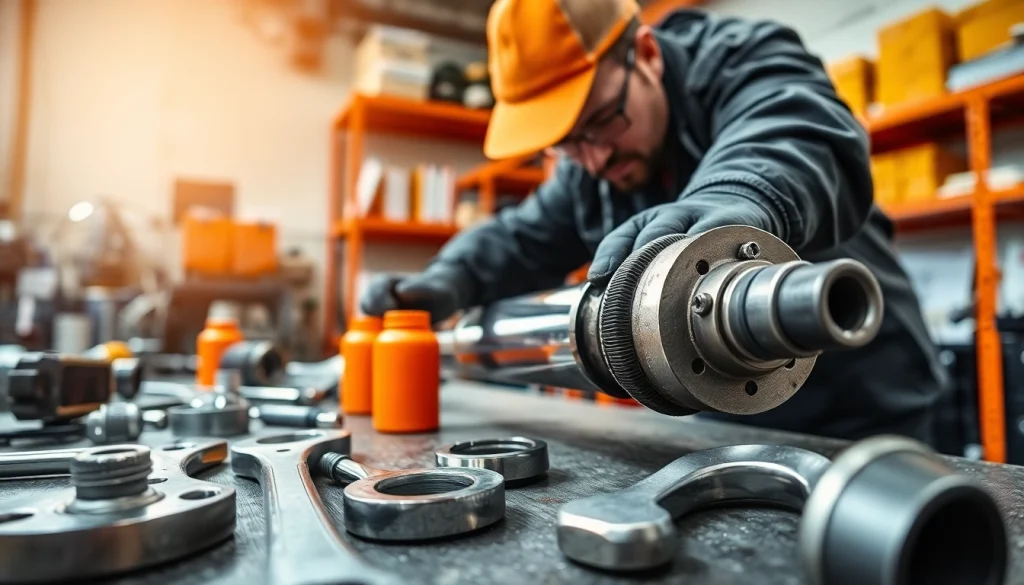
Understanding Hydraulic Repair Services
What Are Hydraulic Repair Services?
Hydraulic repair services encompass a range of maintenance and restoration activities designed to enhance the functionality and efficiency of hydraulic systems. These systems rely on the transmission of fluid to generate power, which is vital for various industrial applications, construction equipment, and machinery. Hydraulic repair not only involves fixing existing components but also preventive measures to ensure longevity and optimal performance. Utilizing hydraulic repair services is crucial for businesses looking to maintain operational efficiency.
Common Types of Hydraulic Repairs
Hydraulic systems may develop various issues over time, requiring different types of repairs, such as:
- Seal Replacement: Leakages often result from worn or damaged seals, necessitating replacement to maintain system integrity.
- Hose and Fitting Repairs: Hoses may become damaged due to wear and tear or environmental factors, and fittings might loosen over time; both can cause leaks.
- Pump Repairs: The hydraulic pump is crucial for fluid movement; failures or inefficiencies can severely impact performance.
- Valve Repairs: Valves control fluid flow; malfunctioning valves can lead to improper operation and system failures.
- System Flushes: Contaminated fluid can degrade the entire system; flushing is essential for restoring clean operation.
Benefits of Professional Hydraulic Repairs
Engaging professionals for hydraulic repairs offers several advantages:
- Expertise and Experience: Trained technicians possess the knowledge to diagnose complex problems and provide effective repairs.
- Quality Assurance: Professional services ensure that repairs meet industry standards, enhancing reliability and safety.
- Time Efficiency: Professionals can diagnose and repair systems faster, reducing downtime in operations.
- Access to Technology: Specialized equipment and technology used by professionals can improve the quality of repairs.
- Warranty and Support: Many services offer warranties on repairs, giving clients peace of mind regarding their investment.
Identifying Hydraulic System Failures
Signs Your Hydraulic System Needs Repair
Recognizing the early signs of hydraulic system failure can save you from costly repairs and prolonged downtimes. Common indicators include:
- Fluid Leaks: Any visible fluid escaping the hydraulic system is an urgent sign of a problem.
- Unusual Noises: Grinding or hissing sounds often indicate issues with pumps or valves.
- Sluggish Operation: If a machine is moving slower than usual, it may suggest hydraulic pressure problems.
- Inconsistent Pressure Readings: Fluctuations in pressure can indicate internal issues, affecting overall efficiency.
Diagnosing Hydraulic Component Issues
Diagnosing issues within hydraulic systems requires a systematic approach:
- Visual Inspection: Begin with a thorough visual inspection for leaks, cracks, and loose fittings.
- Pressure Testing: Utilize gauges to measure and assess the system’s pressure levels, comparing them with standard operating conditions.
- Fluid Analysis: Check for contamination or degradation of hydraulic fluid, which can affect performance.
- Component Testing: Test individual components like pumps and valves to ensure they operate within their specified ranges.
Preventative Maintenance for Hydraulic Systems
Preventative maintenance is essential for avoiding major failures in hydraulic systems. Implementing a routine maintenance schedule should include:
- Regularly checking and replacing hydraulic fluids.
- Inspecting seals, hoses, and fittings for wear and tear.
- Monitoring system pressure and adjusting as needed.
- Performing system flushes to remove contaminants.
Choosing the Right Hydraulic Repair Services
Evaluating a Repair Service Provider
When selecting a hydraulic repair service provider, evaluate their qualifications and services offered:
- Experience: Consider how long the company has been in business and their track record in the industry.
- Certifications: Look for certifications from recognized industry organizations that validate their expertise.
- Customer Feedback: Read reviews and testimonials to gauge their level of service and customer satisfaction.
- Service Offerings: Ensure they provide comprehensive services to meet your needs, including emergency repairs.
Questions to Ask Before Hiring
Before engaging a hydraulic repair service, consider asking the following:
- What is your estimated turnaround time for repairs?
- Do you offer warranties on your work?
- What are your rates, and how do you structure pricing?
- Can you provide references or case studies from previous clients?
Comparing Costs and Services
When evaluating hydraulic repair services, cost comparison should be balanced with the quality of service:
- Request detailed estimates from multiple providers, ensuring they itemize each service.
- Consider hidden costs such as emergency fees or charges for equipment.
- Look closely at their warranty policies to understand what is covered.
- Compare the overall reputation and reliability of each service provider alongside costs.
The Process of Hydraulic Repair
Step-by-Step Guide to Hydraulic Repairs
The process of hydraulic repair can be summarized in several key steps:
- Initial Assessment: Evaluate the system to identify issues and verify symptoms.
- Disassembly: Carefully disassemble components, documenting the process for correct reassembly.
- Inspection and Diagnosis: Inspect each part for wear, damage, and contamination.
- Replacement and Repair: Replace defective components and conduct necessary repairs.
- Reassembly and Testing: Reassemble the system and test to ensure proper functionality.
Tools and Equipment Used in Hydraulic Repairs
Professionals rely on specialized tools for effective hydraulic repairs, including:
- Hydraulic jacks: For lifting heavy machinery during service.
- Pressure gauges: To diagnose system pressure issues accurately.
- Torque wrenches: For ensuring correct tightening of fittings and components.
- Fluid analysis kits: To check for contamination in hydraulic oil.
- Hydraulic crimping tools: Used to secure hoses and fittings effectively.
Quality Standards in Hydraulic Repairs
Maintaining quality in hydraulic repairs is paramount. Adherence to industry standards ensures:
- Safety: Repairs must adhere to safety regulations to prevent accidents.
- Performance: Quality repairs enhance the overall efficiency and lifespan of the equipment.
- Documentation: Recording repairs and maintenance helps in tracking performance and issues.
- Environmental Compliance: Responsible disposal and management of hydraulic fluids to minimize ecological impact.
Frequently Asked Questions about Hydraulic Repair Services
How often should hydraulic systems be serviced?
Regular servicing every 6-12 months is recommended to ensure optimal performance and identify issues early.
What are the most common hydraulic system problems?
Common issues include leaks, worn seals, overpressure, and noise, each affecting overall operation.
Can I perform hydraulic repairs myself?
While basic maintenance can be done, professional repairs are recommended for complex issues to ensure safety and effectiveness.
How do I know if my hydraulic system is underperforming?
Signs include slower operation, abnormal noises, leaks, and inconsistent pressure readings during use.
What should I consider when selecting a hydraulic repair service?
Evaluate the provider’s experience, customer reviews, equipment quality, and service guarantees before making a choice.